Optimizing Air Freight Operations with Modern Software Solutions
Sunday, October 11 2026
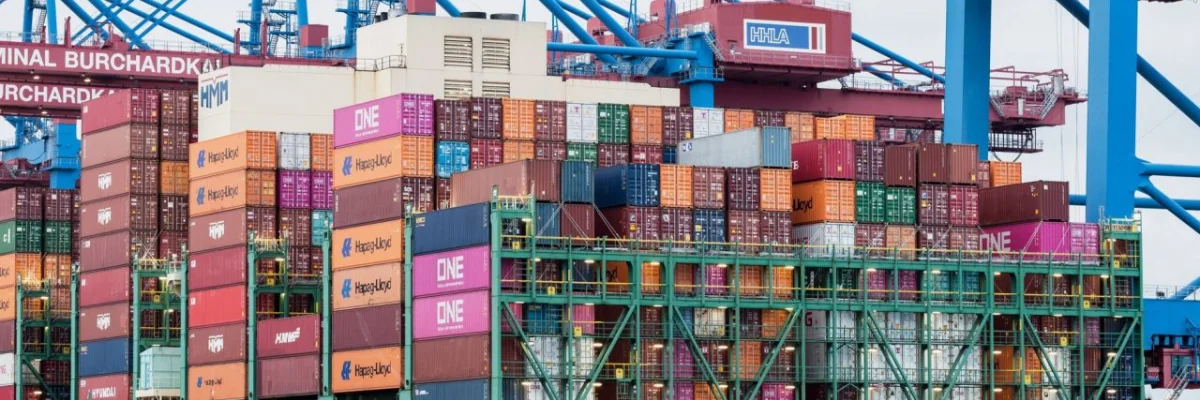
In the rapidly evolving landscape of global logistics, air freight remains the gold standard for speed and reliability. Freight forwarders are increasingly tasked with navigating complex supply chain demands while maintaining tight operational margins. As consumer expectations for rapid delivery grow, the reliance on manual processes has become a significant bottleneck for growing firms. Implementing cloud-based software platforms allows forwarders to centralize documentation, automate tracking updates, and improve overall communication with partners. By embracing digital transformation, logistics businesses can enhance their service quality and stay ahead in a competitive market that demands precision and real-time visibility for every international shipment.
Digitizing Operational Workflows

Effective digital workflows are essential for managing the high volume of documentation required for international air transport. Modern cloud software helps teams organize booking confirmations and airway bills in one central location to ensure that no critical information gets lost or delayed.
- Centralized document management: Store all shipping documents in a secure cloud environment to ensure that your logistics team can access vital files from any location at any given time.
- Automated booking processes: Reduce manual errors by automating the booking request process between your operations team and the airline to speed up shipment confirmation and resource allocation today.
- Streamlined data entry: Eliminate repetitive typing tasks by utilizing smart software tools that extract data directly from invoices and manifests into your core logistics management system platform.
- Instant status updates: Enable automated notifications for your clients so they receive real-time tracking alerts throughout the entire air transit journey without needing constant manual status check emails.
Adopting these digital workflows fundamentally changes how your business operates by reducing time spent on administrative overhead. By automating routine tasks, your staff can focus their energy on high-value activities like relationship building and troubleshooting complex logistics issues. This shift not only increases productivity but also improves the overall experience for your clients, helping you maintain a strong reputation for reliability and efficiency.
Real Time Shipment Tracking

Visibility is the top priority for shippers who choose air freight for their time sensitive cargo. Integrated tracking solutions provide granular updates that allow forwarders to manage exceptions proactively before they impact the final delivery schedule of the critical goods.
- Enhanced tracking visibility: Provide your customers with comprehensive insights into their shipments by integrating real time data feeds directly from major global airlines into your own interface.
- Proactive exception management: Detect potential delays early through intelligent monitoring systems that alert your operations team immediately when a shipment falls outside of the standard transit time window.
- Automated client notifications: Keep your stakeholders informed by sending personalized status alerts via email or SMS triggered by milestones like flight arrival or warehouse check in completion.
- Performance analytics dashboard: Analyze carrier performance over time to identify which routes and partners provide the best reliability so you can optimize your future booking strategy accordingly.
Providing exceptional transparency is a powerful tool for customer retention in the logistics industry. When clients can see the exact status of their cargo, they gain confidence in your services and feel more secure about their supply chain risks. Utilizing these advanced tracking tools effectively turns your freight forwarding business into a trusted partner that offers peace of mind along with speed.
Managing Air Cargo Compliance

Compliance with international aviation and customs regulations is mandatory for every freight forwarder. Using specialized software simplifies the verification process, ensuring that all regulatory requirements are met accurately before the cargo reaches the airport and prepares for departure.
- Automated regulatory checks: Ensure that all shipment details comply with international standards by using built-in software tools that flag potential errors or missing information before final submission.
- Secure data transmission: Protect sensitive client and shipping information by utilizing encrypted platforms that securely transmit manifests to customs authorities for rapid clearance and approval processing.
- Duty calculation tools: Use integrated databases to calculate duties and taxes accurately based on the destination country requirements to avoid unexpected costs for your valuable shipping clients.
- Compliance document library: Maintain an organized archive of all regulatory permits and licenses to ensure you are always ready for any sudden customs audits or inspections.
Managing compliance through software reduces the risk of expensive fines and shipment seizures that often result from human error in document preparation. By standardizing your approach to international regulations, you create a safer environment for your logistics operations. This rigorous attention to detail prevents delays at borders, keeping air freight moving smoothly through the global network while protecting your company from legal complications.
Strategic Airline Partner Integration
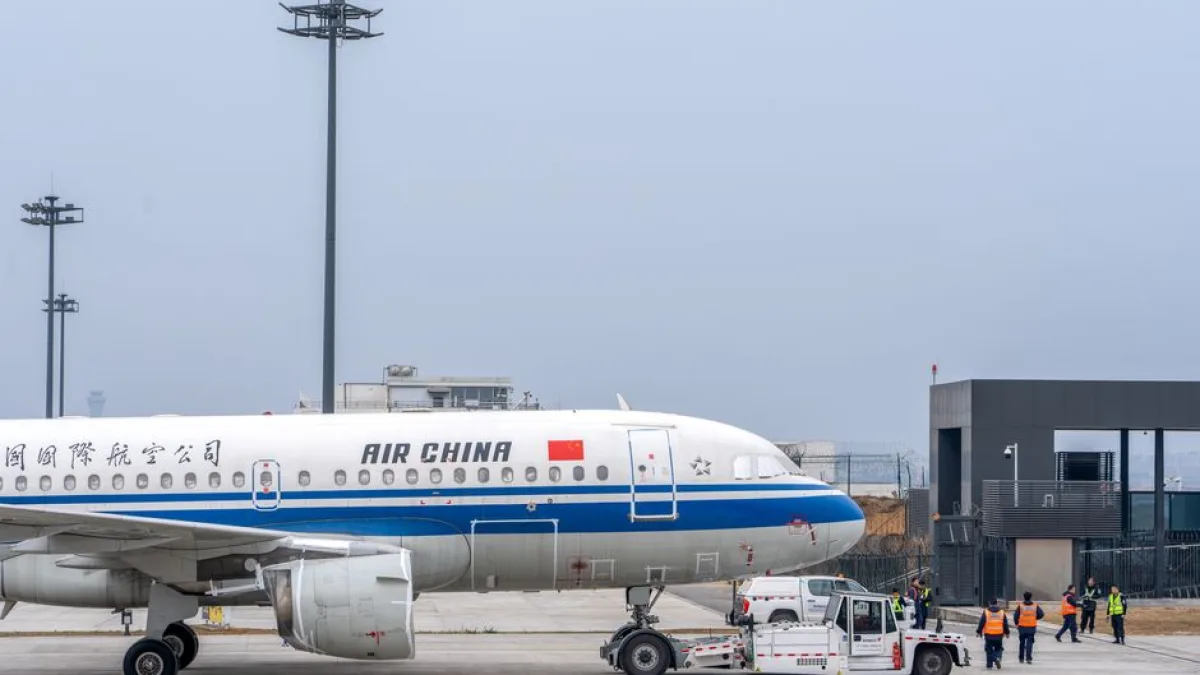
Collaborating closely with airline partners is easier when you have a unified digital platform. Integrating your system with air carrier portals allows for seamless information exchange, reducing the communication gaps that often occur during busy peak shipping seasons worldwide.
- Seamless system integration: Connect your freight platform directly with carrier APIs to exchange booking data and scheduling information without the need for manual file imports or exports.
- Competitive rate comparisons: Quickly evaluate pricing and capacity availability across multiple airline partners to ensure you secure the most cost effective solution for your client base needs.
- Capacity booking management: Reserve block space agreements through digital channels to guarantee cargo space during high demand periods when freight capacity is extremely limited for most shippers.
- Effective partner communication: Consolidate all communications regarding specific shipments within your software to prevent information silos and ensure that every team member has access to current details.
Strong integration with airline partners is a key driver of success in the air freight industry. It allows your business to respond quickly to market changes and secure favorable rates that you can pass on to your clients. By fostering these digital connections, you build a resilient logistics network that can handle the pressures of global trade with speed, agility, and professional excellence.
Conclusion

Modernizing your air freight operations is no longer optional for businesses aiming to grow. By leveraging advanced software, you can automate manual tasks, improve shipment visibility, and ensure total regulatory compliance with ease. Start your digital transformation journey with MakeCargo today to streamline your workflows, increase your operational efficiency, and provide superior service levels that keep your logistics clients coming back every time.