Optimizing Air Freight Operations with Modern Technology
Wednesday, October 7 2026

The global air freight industry operates at a blistering pace where timing and precision determine market success. Freight forwarders today face immense pressure to balance rising fuel costs with customer demands for real time shipment visibility and seamless documentation handling. Legacy manual processes are no longer sustainable in this high stakes environment. By leveraging digital transformation tools and automated freight management platforms, forwarders can reclaim valuable hours, eliminate costly administrative errors, and improve communication across the entire supply chain. As we look ahead, the integration of cloud native technology stands as the most critical step for scaling air cargo operations effectively.
Digitizing Documentation Workflows

Paper based processes often create significant bottlenecks that stall cargo movement and delay critical departures. Modernizing your documentation workflows enables instant data capture and validation, ensuring that air waybills and customs forms comply with international aviation standards long before the aircraft reaches the tarmac.
- Automated Data Entry: Implement systems that automatically extract information from commercial invoices to populate shipping documents, which reduces manual input errors and significantly speeds up overall booking processing times for teams.
- Standardized Digital Forms: Utilize cloud based templates that ensure every shipment follows consistent regulatory requirements, helping your staff avoid compliance issues and prevent costly administrative delays at international airport hubs.
- Cloud Storage Access: Maintain a centralized repository for all airway bills and manifests, allowing team members to retrieve documents instantly regardless of their physical location or current time zone.
- Seamless Integration Capabilities: Connect your management platform with airline systems to facilitate direct data transfer, which streamlines the booking confirmation process and eliminates the need for endless email threads.
- Instant Compliance Checks: Deploy automated validation tools that scan documentation for discrepancies, ensuring that your shipments meet strict safety regulations without manual review slowing down the logistics pipeline flow.
Adopting digital documentation processes transforms how freight forwarders handle complex international requirements. By removing the reliance on physical paper, your team can operate with greater agility and confidence. This transition not only boosts productivity by reducing mundane tasks but also enhances the overall accuracy of your shipment data, ultimately leading to faster turnarounds and satisfied customers who value your operational reliability and consistent performance.
Real Time Shipment Visibility
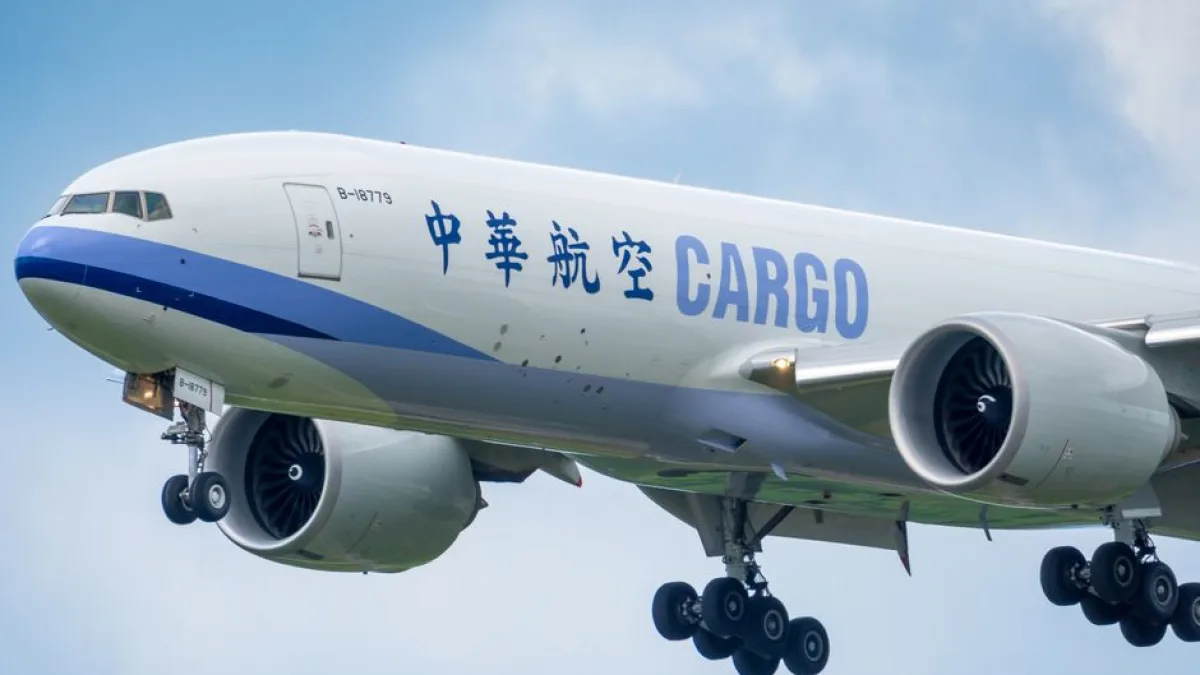
Customers expect total transparency regarding their high value air cargo from origin to final destination. Providing real time tracking updates is no longer a luxury feature but a standard requirement for maintaining professional credibility in the competitive air freight market segment.
- Live Status Updates: Integrate GPS and airline data tracking feeds directly into your customer portal, giving your clients immediate access to the current location and status of their urgent shipments.
- Proactive Milestone Alerts: Configure automated notifications that trigger when a shipment passes specific transit points, allowing your operations team to manage client expectations before potential issues even arise onsite.
- Unified Tracking Dashboard: Provide a single pane of glass view for all active shipments, which simplifies complex logistics data into an actionable format for your dedicated service support staff.
- Interactive Client Portals: Allow customers to log in and view their unique cargo journeys, reducing the volume of inbound status inquiry emails that typically overwhelm your busy operations department daily.
- Predictive Delay Analytics: Use historical transit data to identify potential bottlenecks in specific flight routes, enabling you to suggest alternative routing options to your clients well ahead of schedule.
Visibility is the primary driver of customer satisfaction in air freight logistics today. When clients can monitor their cargo progress independently, it builds deep trust and long term loyalty. By investing in transparent tracking tools, your firm differentiates itself from competitors who rely on manual updates. This proactive approach to communication reduces operational friction and empowers your team to handle exceptions with expert precision.
Managing Capacity and Pricing

Managing volatile air freight capacity and fluctuating pricing requires sharp analytical tools and quick decision making. Freight forwarders who use data driven insights can better navigate seasonal demand spikes and secure space on major trade lanes while maintaining healthy profit margins.
- Dynamic Pricing Models: Utilize software that tracks current market rates for various flight lanes, ensuring your quotes remain competitive while protecting your bottom line against sudden fuel price adjustments.
- Space Allocation Management: Track your allotted block space agreements effectively to ensure you maximize every pallet position booked, which helps prevent revenue loss from unused cargo capacity space.
- Automated Quote Generation: Create instant quotations based on real time carrier pricing, allowing your sales team to respond to client inquiries within minutes instead of waiting hours for answers.
- Carrier Performance Tracking: Maintain a database of carrier reliability and pricing history, which assists your procurement team in selecting the best partners for specific shipping lane requirements.
- Scenario Based Planning: Analyze how different flight options impact your overall costs, enabling you to build flexible logistics strategies that adapt quickly to sudden changes in market demand.
Success in air freight relies heavily on your ability to source and sell space efficiently. When you integrate pricing and capacity management into one software solution, you eliminate the guesswork that often leads to margin erosion. By arming your team with accurate data and rapid quoting tools, you empower them to secure more business and maintain profitability even during periods of extreme market volatility.
Enhancing Operational Efficiency

Improving operational efficiency involves streamlining every aspect of the freight forwarding journey from initial lead intake to final billing. By creating a unified digital environment, firms can ensure that no shipment details are lost between departments, leading to a much smoother overall workflow.
- Unified Team Communication: Enable internal chat and note features within shipment files, which keeps all stakeholders updated on project progress without relying on disconnected email systems or phone calls.
- Automated Billing Workflows: Sync your shipping data directly with accounting software to generate accurate invoices immediately upon delivery, which improves your cash flow and reduces late payment cycles.
- Customizable Reporting Tools: Generate detailed performance reports that highlight team productivity and shipment profitability, helping management identify areas where process refinements can lead to better company results.
- Task Automation Sequences: Build custom workflows that assign specific tasks to team members based on shipment milestones, ensuring that critical deadlines are met consistently throughout the entire process.
- Integrated CRM Systems: Store customer preferences and historical shipping data in one accessible place, which helps your sales and operations teams provide a more personalized service experience today.
Operational efficiency is the foundation of a scalable freight forwarding business. When processes are clearly defined and supported by robust software, your staff can focus on solving complex problems rather than managing administrative clutter. This creates a culture of excellence where every team member understands their role in the shipment cycle, resulting in reduced human error, higher throughput, and a more resilient organization.
Conclusion
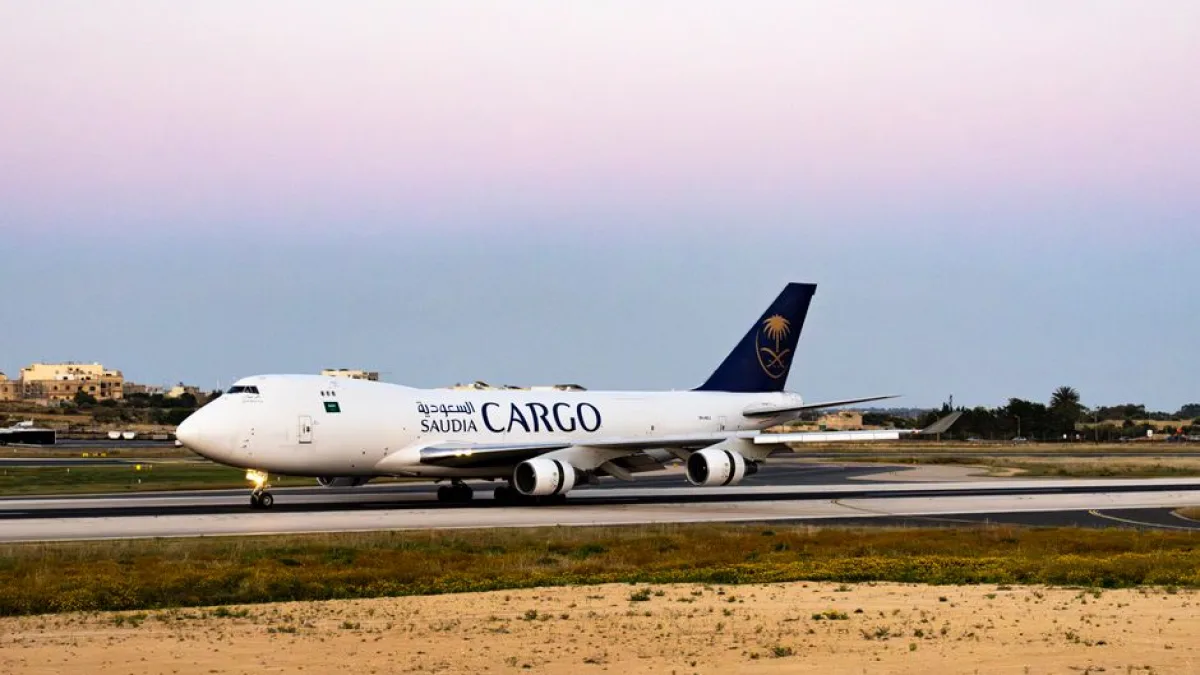
Modernizing your air freight operations requires a commitment to digital tools that prioritize speed, transparency, and data accuracy. By automating documentation, enhancing tracking visibility, optimizing capacity management, and streamlining internal workflows, you position your freight forwarding business for long term growth. Embrace these technological advancements to remain competitive in a rapidly evolving global market and deliver exceptional value to your diverse set of international shipping clients.