Optimizing Cash Flow for Freight Forwarders
Wednesday, August 26 2026

Maintaining healthy cash flow serves as the lifeblood of any successful freight forwarding agency. Operating in a high stakes industry with delayed payments and fluctuating overhead costs, financial agility remains essential for long term growth. Forwarders often struggle with the gap between paying carrier invoices and receiving client payments, which can severely strain operational liquidity. By leveraging advanced cloud-based technologies and smart financial workflows, businesses can automate billing cycles, reduce human error, and gain full visibility into their revenue streams. Implementing these structured strategies ensures your company stays resilient, profitable, and ready to scale while navigating the complexities of global logistics finance.
Modern Automated Invoicing

Transitioning from manual spreadsheets to automated billing systems eliminates bottlenecks that stall payment cycles. Digital platforms provide real time insights into pending invoices, helping finance teams track outstanding balances and reduce the overall administrative burden associated with global cargo shipment billing.
- Speeding Payment Cycles: Automated systems generate and send invoices the moment cargo hits a milestone, significantly reducing the waiting time between shipment completion and the receipt of client funds.
- Reducing Billing Errors: Human entry often leads to costly mistakes that delay payments; software ensures that rates and surcharges are calculated correctly based on integrated carrier data feeds.
- Improving Cash Visibility: Real time dashboards provide a consolidated view of all incoming revenue, allowing management to make data driven decisions regarding resource allocation and operational investments.
- Automating Payment Reminders: Scheduled email notifications help maintain a professional relationship with clients while ensuring that overdue invoices are flagged and addressed before they impact your liquidity.
Adopting automated invoicing tools represents a fundamental shift in how forwarders manage their finances. By removing the reliance on slow, manual processes, your finance team gains the ability to focus on high value activities like debt collection strategies and client relationship management. Ultimately, consistent billing practices create a predictable financial rhythm that supports sustainable growth and enhances overall profitability for your entire logistics agency.
Managing Carrier Payments
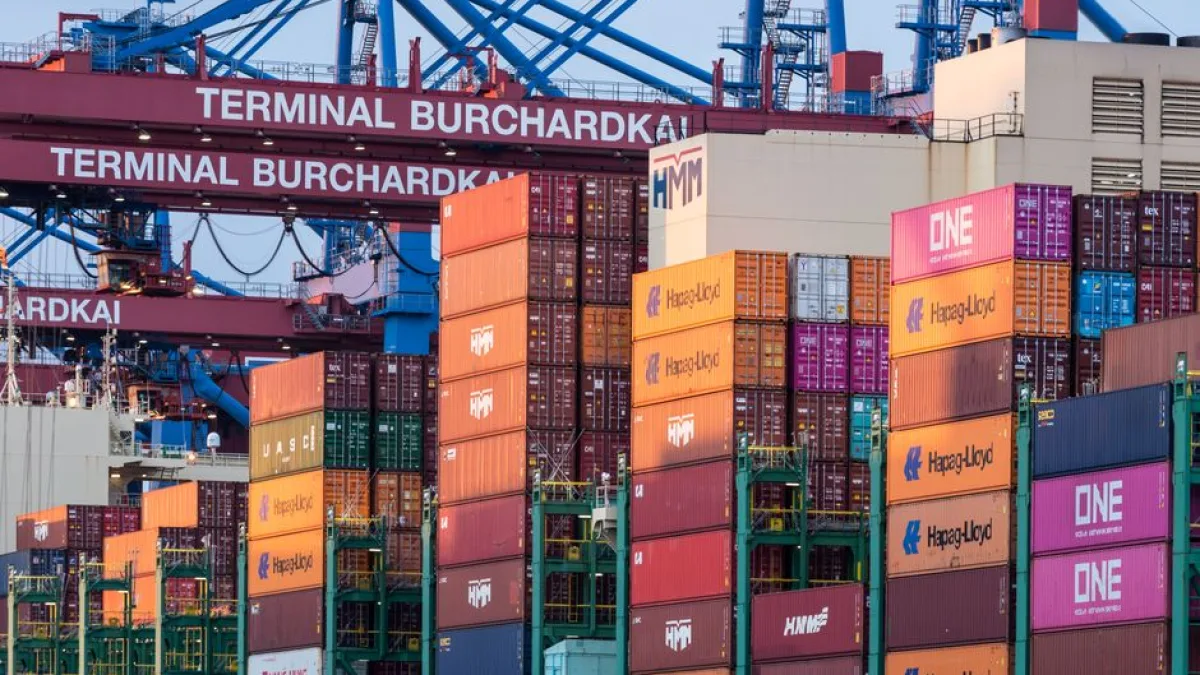
Managing carrier payments effectively requires precision to avoid late fees and maintain strong partnerships with major shipping lines. Cloud platforms help centralize carrier invoices, ensuring that all costs match agreed contracts before funds are released, preventing unnecessary financial leakage across borders.
- Automated Cost Audits: Digital tools verify every charge against contract rates, instantly flagging discrepancies so your team only pays the amount originally quoted during the initial booking process.
- Optimizing Payment Schedules: Strategic scheduling of outbound payments allows your company to align expenditures with client receipts, preserving operational cash flow during slower periods of the fiscal year.
- Centralizing Vendor Data: Having all carrier documentation in one location makes it easy to track historical costs, helping you negotiate better rates during future service contract renewals.
- Ensuring Contract Compliance: Integrated systems enforce strict adherence to terms and conditions, protecting your margin by preventing unauthorized surcharges from being paid out without proper management approval.
Proactive carrier payment management is essential for maintaining your competitive edge in the freight market. By ensuring that every invoice is audited accurately, you protect your bottom line from unexpected costs while fostering trust with logistics partners. When financial processes run smoothly, you eliminate unnecessary friction in your supply chain, allowing your team to focus on moving freight instead of resolving invoice disputes.
Monitoring Financial KPIs

Tracking key financial performance indicators provides the clarity needed to navigate market volatility. By monitoring metrics such as profit margins per shipment and days sales outstanding, forwarders identify trends that signal potential risks before they manifest into significant, damaging operational cash flow issues.
- Tracking Profit Margins: Analyzing profitability on a per shipment basis allows you to identify which routes or cargo types yield the highest returns for your specific agency model.
- Days Sales Outstanding: Monitoring the average time taken to collect payments helps identify problematic accounts early, enabling your team to implement more effective credit control procedures quickly.
- Operational Cost Analysis: Keeping a close eye on overhead expenses allows you to identify areas of waste, ensuring your business remains lean and agile in competitive markets.
- Forecasting Revenue Streams: Using historical shipment data allows you to project future cash inflows, giving you the confidence to expand your services or invest in technology upgrades.
Data is the most valuable asset for a freight forwarding finance department today. By consistently tracking your financial health through specialized software dashboards, you gain the ability to pivot strategies based on accurate, timely information. This visibility turns abstract numbers into actionable insights, helping your leadership team steer the company through complex economic cycles with precision, confidence, and a sharp focus on growth.
Integrating Financial Software

Integrating financial software with your existing freight management platform creates a seamless loop of information. This connectivity ensures that every operational update, from arrival notifications to final delivery, triggers the necessary financial tasks without any manual intervention or lost communication.
- Seamless Data Sync: Integration ensures that shipment details flow directly from operations to finance, eliminating the need for dual entry and reducing the risk of data entry errors.
- Real Time Reconciliation: Automated reconciliation matches bank deposits with open invoices instantly, providing your team with an accurate picture of the current company bank balance daily.
- Unified Reporting Tools: Consolidated reporting enables managers to see the intersection of operational efficiency and financial outcomes within a single interface, simplifying complex cross departmental reviews.
- Scaling Financial Operations: Robust software architectures are designed to handle increasing shipment volumes without requiring additional administrative staff, keeping your overhead costs low as your business grows.
Technology integration is the final piece of the puzzle for a modern freight forwarding company. By eliminating departmental silos, you create an environment where operational speed and financial accuracy go hand in hand. Investing in a unified cloud platform allows your business to scale operations efficiently, ensuring that your financial infrastructure is always prepared to support your long term strategic goals and international expansion.
Conclusion

Achieving financial excellence in freight forwarding requires a commitment to automation, transparency, and strategic oversight. By utilizing cloud based tools to manage billing, carrier payments, and key performance indicators, your agency can secure its cash flow and improve overall profitability. Implement these practices today to build a scalable foundation that supports consistent growth, allowing your team to focus on delivering exceptional value to clients.