Optimizing Cash Flow in Modern Freight Forwarding
Tuesday, September 22 2026

Maintaining healthy cash flow serves as the backbone of every successful freight forwarding operation. As global supply chains grow increasingly complex, the delay between paying carriers and receiving payments from clients creates significant financial pressure. Managing these fluctuations requires precise billing practices and robust digital systems to prevent revenue leakage. Forwarders who adopt automated financial workflows gain a competitive edge by reducing manual errors and accelerating the payment collection cycle. By implementing advanced cloud-based strategies, logistics professionals can stabilize their bottom lines, enhance vendor relationships, and ensure long-term profitability while navigating the unpredictable nature of modern international trade and logistics expenses.
Automating Your Invoicing Process
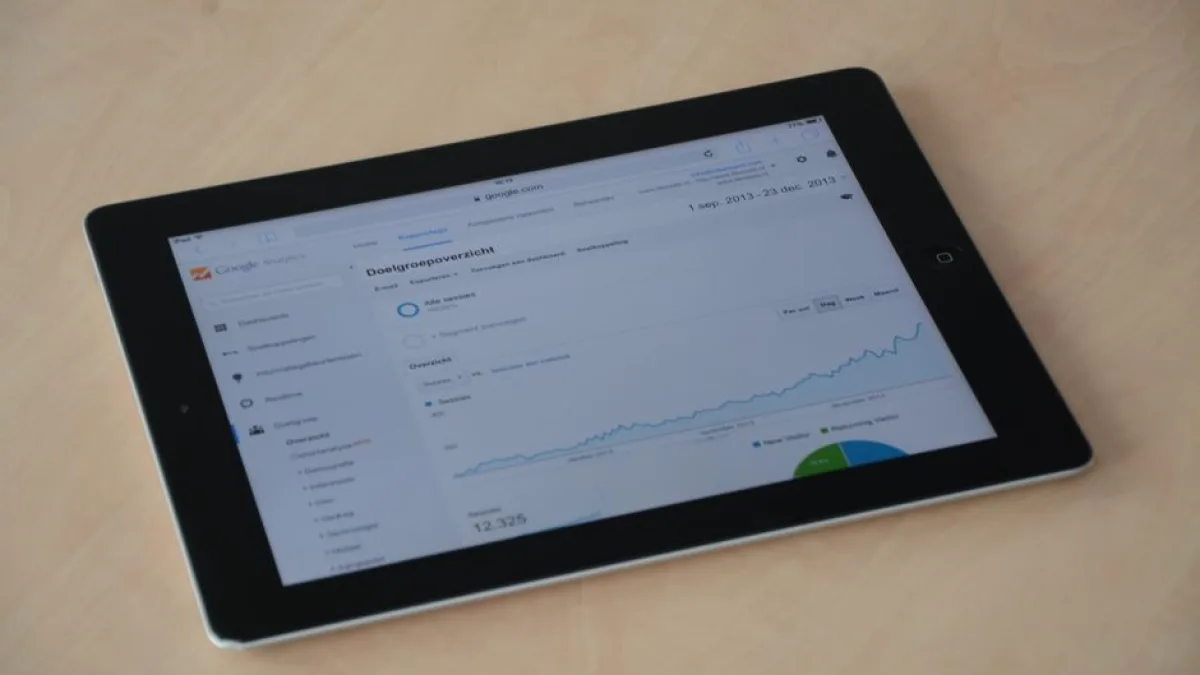
Transitioning from manual spreadsheets to automated invoicing platforms transforms how forwarders handle billing tasks. This digital shift minimizes human error and speeds up the delivery of documents to clients, directly impacting how quickly your agency receives payment for services rendered.
- Eliminate manual entry: Automated systems sync shipment data directly with your accounting software to prevent typos and ensure every billable item is captured accurately without any redundant data entry tasks.
- Faster invoice delivery: Automated platforms trigger billing documents the moment a shipment reaches its milestone, drastically reducing the time spent waiting for internal approvals before sending requests to customers.
- Real-time status tracking: Modern software provides clear visibility into whether an invoice has been viewed, accepted, or disputed by the client, allowing your team to follow up on late payments immediately.
- Integrated currency conversion: Automate the complex process of handling international freight charges by using real-time exchange rates, ensuring your billing remains accurate regardless of the currencies involved in global trade.
Adopting an automated billing solution does more than just save time during the work week. It creates a standardized financial ecosystem that reduces disputes and improves client satisfaction. When invoices reach customers faster and with higher precision, the likelihood of prompt payment increases significantly. Investing in these digital tools positions your freight forwarding business to handle higher volume without the need for additional administrative staff.
Improving Vendor Payment Cycles
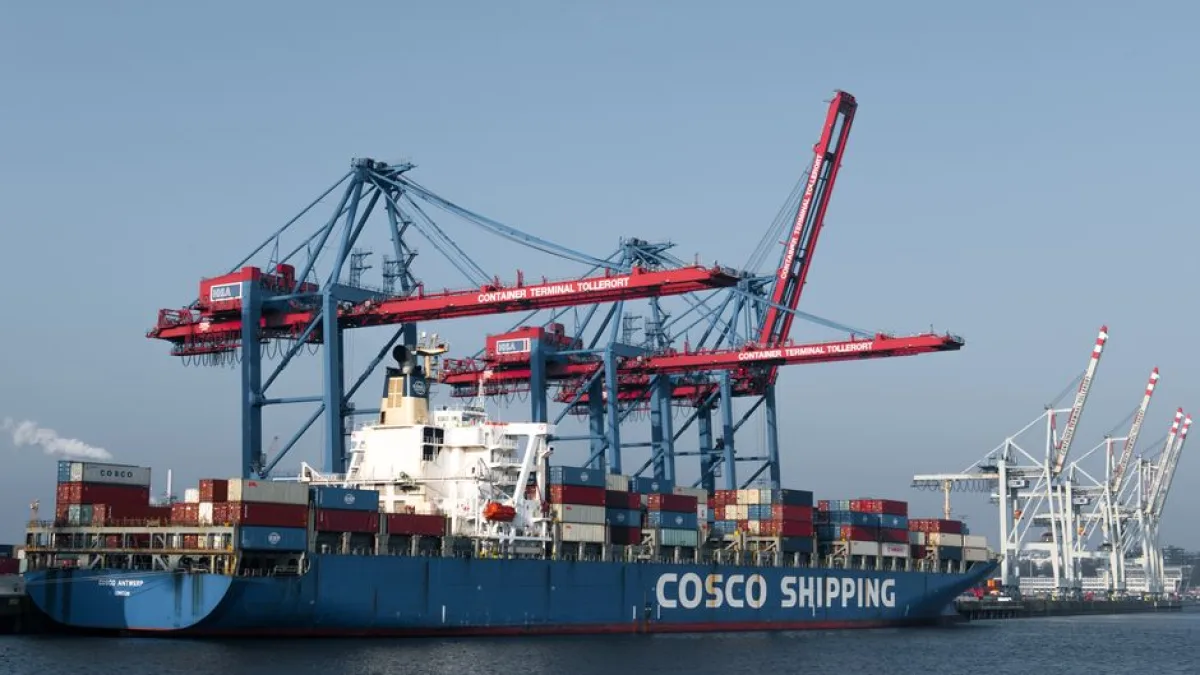
Managing outbound payments to carriers and subcontractors requires strategic timing to maximize liquidity. By balancing your payment deadlines against incoming revenue, you can protect your working capital and maintain strong operational leverage throughout the busy peak shipping seasons.
- Negotiate extended terms: Work closely with your carrier partners to secure favorable payment windows that better align with your client payment cycles to minimize your overall need for external financing.
- Centralize carrier invoices: Consolidating all incoming vendor bills into one cloud-based portal allows you to track total expenditure per shipment and prevents the risk of double paying bills.
- Automated payment scheduling: Set up your system to trigger payments on the latest possible date permitted by vendor contracts to keep cash in your accounts for longer durations.
- Audit every charge: Utilize software to automatically match carrier invoices against original shipping quotes, ensuring you never pay for unapproved fees or unexpected surcharges during the busy season.
Strategic control over your outgoing payments transforms your finance department into a revenue generator rather than just a cost center. By monitoring every dollar that leaves your business, you ensure that capital is always available for growth opportunities. Mastering these cycles allows you to negotiate better rates with carriers, as consistent and predictable payment behavior remains a highly valued trait in professional logistics partnerships.
Reducing Financial Revenue Leakage

Revenue leakage occurs when earned income is lost due to unbilled costs, forgotten surcharges, or inefficient dispute resolutions. Identifying these gaps requires consistent monitoring of your financial workflows to ensure every logistics service provided is accurately recorded and billed accordingly.
- Capture accessorial fees: Many forwarders lose significant profit by failing to track minor destination charges, so automated systems ensure these fees are recorded immediately when incurred at the terminal.
- Standardized service pricing: Maintain a centralized master tariff database to prevent sales staff from undercharging clients, ensuring all quotes match your current company margin and operational cost requirements.
- Identify recurring errors: Regularly analyze your billing data to spot patterns in under-invoicing or missed charges, allowing you to refine your processes and prevent those specific mistakes from repeating.
- Streamline dispute resolution: Keep all communication and documentation attached to specific invoices within your software, making it easier for your team to quickly resolve customer inquiries regarding billing discrepancies.
Revenue leakage is a silent threat that eats away at margins in the logistics industry. By utilizing cloud-based software to track every transaction, you eliminate the guesswork associated with manually checking spreadsheets. Plugging these financial gaps directly translates to higher profitability and more stable growth. A proactive approach to billing ensures that your business receives full compensation for every service performed in the supply chain.
Leveraging Financial Analytics Tools

Data-driven decision making serves as the ultimate advantage for freight forwarders looking to optimize their financial performance. By analyzing key performance indicators such as day sales outstanding and profit margins per client, leadership can make informed choices about future growth strategies.
- Track profit margins: Use integrated analytical dashboards to view exactly how much profit you generate from specific shipping lanes, helping you focus your sales efforts on high-margin trade routes.
- Analyze payment latency: Measure the time it takes for specific customers to pay their invoices to identify which clients require stricter credit terms or more frequent follow-up communication efforts.
- Predict cash requirements: Utilize historical financial data to forecast your upcoming cash flow needs, allowing you to prepare for seasonal shipping fluctuations with confidence and strategic foresight instead of panic.
- Generate executive reports: Create custom reports that summarize your financial health in simple terms, enabling owners and managers to make rapid decisions based on live company data insights.
Analytics tools provide a clear window into the financial health of your freight forwarding enterprise. By moving away from gut feelings and toward concrete data, you can identify which areas of your business are thriving and which require immediate operational adjustments. Consistent review of these metrics ensures that your company remains resilient in a constantly evolving market while maintaining a healthy competitive position.
Conclusion

Effective financial management is the cornerstone of a sustainable freight forwarding business. By implementing automation, tracking vendor cycles, eliminating revenue leakage, and utilizing data analytics, you can achieve superior cash flow stability. These improvements help your team focus on service excellence rather than administrative hurdles. Start optimizing your billing workflows today with MakeCargo to drive growth and ensure your logistics operation remains profitable.