Optimizing Digital Operations for Freight Forwarding Success
Saturday, August 15 2026
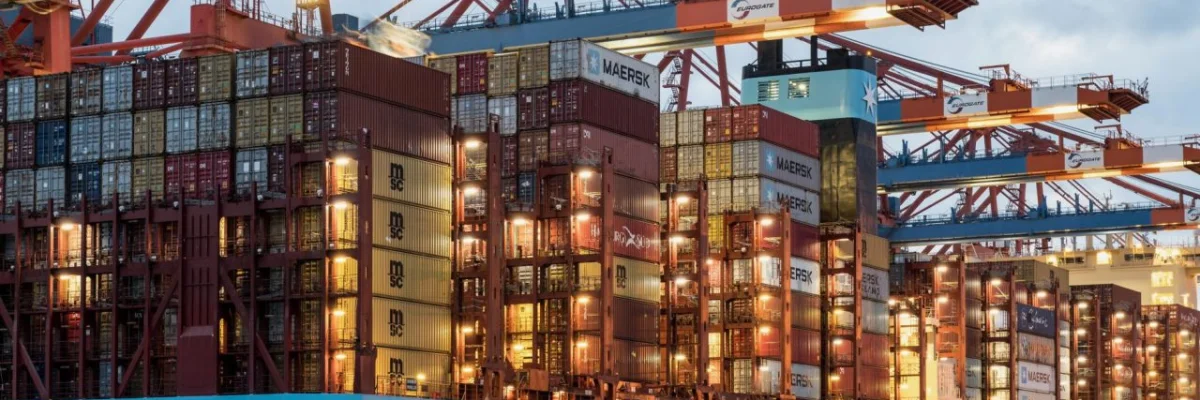
The global logistics landscape is undergoing a massive transformation driven by rapid technological adoption and changing customer expectations. For freight forwarders, the ability to manage complex supply chains relies heavily on the efficiency of their digital infrastructure. Outdated manual processes often lead to bottlenecks, communication gaps, and increased operational costs that threaten profit margins. By integrating advanced cloud based tools, logistics companies can gain real time visibility and streamline documentation workflows. This article explores essential best practices designed to help modern freight forwarders thrive in a competitive market by focusing on automation, data accuracy, and enhanced client engagement strategies today.
Embrace Digital Automation Tools
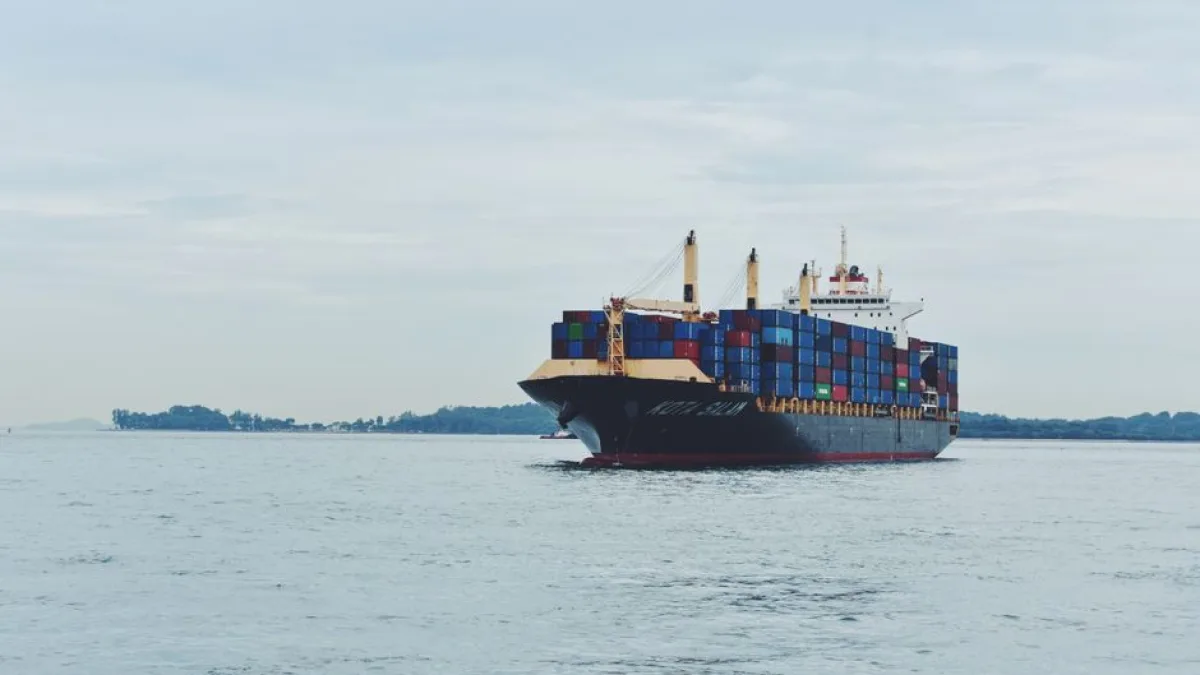
Transitioning from manual data entry to automated software solutions allows your team to focus on high value tasks instead of repetitive administrative chores. Automation reduces human errors and significantly speeds up the processing of critical shipping documents and customs declarations.
- Automated document handling: Implementing software that automatically generates bills of lading and commercial invoices minimizes clerical mistakes while ensuring that all your compliance documentation is always accurate and complete.
- Real time tracking: Advanced systems provide automated status updates to your clients, reducing the volume of manual inquiry emails and phone calls your operations team must handle daily.
- Workflow rule configuration: Setting up custom triggers within your platform helps ensure that every shipment follows a standardized process, which maintains quality consistency across all your logistics operations.
- Integrated communication portals: Using a central client portal consolidates all shipping updates, files, and messages into one location, providing transparency while keeping sensitive data secure and organized.
Modernizing your workflow through automation is not just a trend but a necessity for scaling your freight forwarding business. When you remove manual friction from the shipping process, your employees can dedicate their time to strategic decision making and customer relationship management. This shift leads to improved service levels, higher client retention rates, and a more robust bottom line for your organization.
Prioritize Accurate Data Management

Data acts as the backbone of every successful freight forwarding operation, providing insights that drive profitability. Maintaining high data integrity ensures that all stakeholders have access to the correct information, preventing costly discrepancies during complex international customs procedures.
- Centralized data storage: Keeping all shipment information in a cloud based database ensures that your team members can access real time data from anywhere in the world.
- Regular system audits: Conducting routine checks on your data inputs identifies potential errors early, which prevents major logistical failures or regulatory penalties during peak shipping seasons.
- Interoperability of systems: Integrating your freight platform with carrier APIs allows for the seamless flow of information between parties, creating a unified digital environment for logistics.
- Standardized data protocols: Adopting consistent naming and formatting conventions for all entries reduces confusion among your staff and improves the overall quality of your reporting.
Clean and accurate data empowers your team to make informed decisions that reduce operational risks and improve overall supply chain reliability. By establishing strict protocols for how information is entered and processed, you create a foundation for continuous improvement. Remember that the quality of your logistics intelligence directly influences your ability to navigate disruptions and maintain a high level of performance.
Enhance Client Communication Channels

Effective communication remains the cornerstone of building long term partnerships within the freight industry. Providing clients with immediate access to information builds trust and sets your firm apart from competitors who rely on traditional, slower methods of coordination.
- Proactive milestone alerts: Sending automated notifications to clients when shipments reach specific destinations keeps them informed without requiring them to request status updates manually throughout transit.
- Transparent pricing models: Providing clear and itemized quotes through a digital platform eliminates confusion about hidden costs and helps clients understand their total shipping expenditures.
- Collaborative document sharing: Giving clients the ability to upload or download files directly through a secure portal creates a smooth experience that saves significant time.
- Responsive support systems: Utilizing a built in ticketing system ensures that client inquiries are tracked, prioritized, and resolved quickly by the appropriate member of your team.
When you prioritize transparent and efficient communication, you transform the client experience from a transactional interaction into a value added partnership. Clients appreciate being kept in the loop, which reduces their stress and increases their satisfaction with your logistics services. By leveraging digital tools to bridge the information gap, you establish your company as a reliable and professional partner in global trade.
Maintain Regulatory Compliance Standards

Navigating the complex maze of international trade regulations requires a disciplined approach to documentation and compliance monitoring. Keeping your operations strictly aligned with global customs rules protects your firm from heavy fines and avoids dangerous delays at busy borders.
- Automated compliance updates: Utilizing software that automatically pulls the latest customs requirements helps you stay informed of changes in international trade laws without manual research.
- Strict documentation control: Maintaining a secure and searchable digital archive of all past customs filings makes audits significantly easier and ensures total regulatory historical accountability.
- Regular training sessions: Keeping your operations team educated on current trade compliance standards ensures that your staff knows how to handle various shipping commodities correctly.
- Vendor verification tools: Using integrated tools to verify the status and certifications of your carriers ensures that you only work with safe and legitimate partners.
Staying ahead of regulatory changes is essential for maintaining a seamless freight forwarding operation. By utilizing digital tools to manage compliance requirements, you reduce the likelihood of human error and ensure that your business remains fully operational under international laws. Building a reputation for rigorous compliance excellence will ultimately attract high value clients who prioritize security and stability for their global shipments.