Optimizing Digital Operations for Modern Freight Forwarders
Sunday, August 2 2026
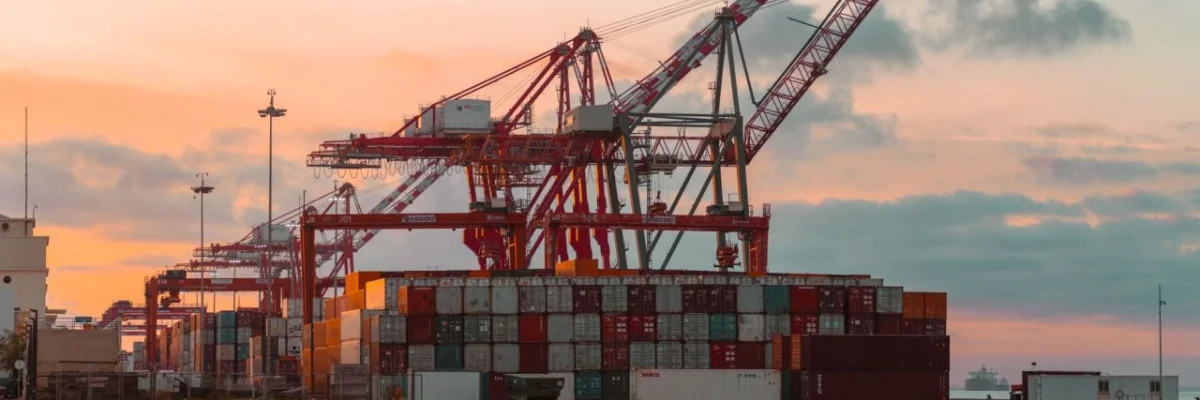
The global logistics landscape is undergoing a massive transformation driven by rapid technological advancement and increasing customer demands for real-time visibility. For freight forwarders, the pressure to maintain operational efficiency while managing complex supply chain disruptions has never been higher. Transitioning from legacy manual processes to integrated cloud-based platforms is no longer a luxury but a fundamental necessity for survival. By embracing modern digital tools, forwarders can eliminate data silos, automate repetitive tasks, and provide superior transparency to their clients. This evolution empowers teams to focus on high-value strategic decision-making while significantly reducing error rates across complex multimodal shipment lifecycles.
Mastering Automated Documentation Workflows

Automated document processing serves as the backbone of modern freight forwarding, effectively reducing the manual labor associated with traditional paper-based workflows. By digitizing your intake and verification processes, your team can achieve faster processing speeds and significantly improve overall shipment accuracy levels.
- Optical character recognition: Modern software utilizes advanced character recognition to extract data from bills of lading automatically, which minimizes human entry errors and accelerates the entire customs documentation cycle significantly.
- Automated data validation: Integrated systems verify client information against global compliance databases in real time, ensuring that every document meets international standards before it reaches the customs authorities.
- Centralized document storage: Cloud systems provide a single source of truth for all shipping files, allowing team members to access critical paperwork from anywhere without searching through physical folders.
- Version control protocols: Automatic tracking of document revisions prevents confusion by ensuring that stakeholders always work with the most current version of shipping instructions and cargo manifests.
By shifting to these automated workflows, forwarders can reclaim hours previously wasted on repetitive data entry. This transition not only enhances productivity but also provides a robust audit trail that satisfies regulatory requirements with minimal effort. As your business scales, these automated foundations ensure that your documentation processes remain consistent, reliable, and capable of handling increased volume without requiring a massive expansion of your administrative staff.
Leveraging Real-Time Shipment Visibility
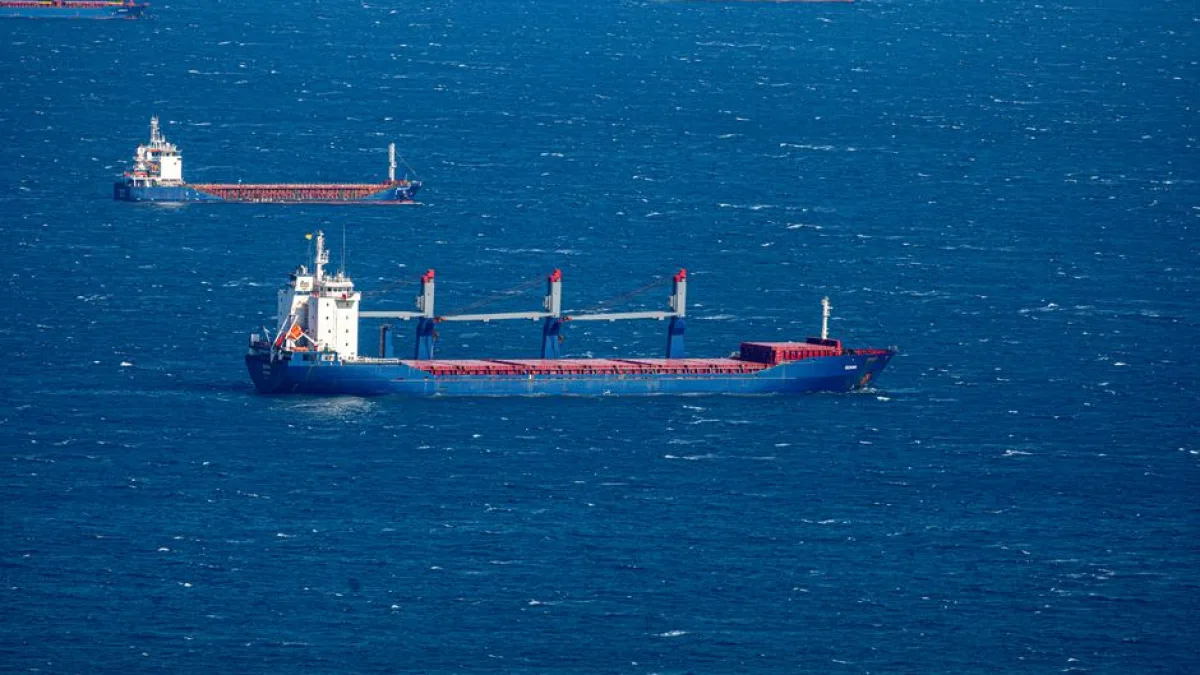
Visibility is the primary currency in modern logistics, as clients demand instant updates regarding their cargo status at every transit point. Implementing real-time tracking solutions provides actionable insights that allow for proactive communication and effective contingency planning when delays occur unexpectedly.
- Live API integrations: Connecting directly with shipping lines and terminal operating systems allows your platform to pull status updates automatically, eliminating the need for constant manual tracking calls.
- Automated milestone notifications: Proactive alerts triggered by specific shipment movements keep your customers informed without requiring your staff to write individual status emails for every single container.
- Interactive client portals: Providing a secure login area for customers gives them self-service access to current tracking data, which reduces the volume of status inquiries hitting your team.
- Dynamic route optimization: Real-time data feeds enable you to identify potential port congestion early, allowing for quick rerouting decisions that keep supply chains moving during peak traffic.
Offering superior visibility differentiates your service from competitors who still rely on fragmented manual updates. When clients can monitor their shipments through a professional portal, trust in your brand grows exponentially. This level of transparency transforms the customer experience, turning standard freight services into a value-added partnership that prioritizes speed, clarity, and reliability throughout the entire movement of goods across global networks.
Building Resilient Supply Chain Partnerships

Building strong relationships with reliable carriers and local agents is vital for maintaining service quality when market conditions become volatile. A digital-first approach helps you manage these partnerships by ensuring that communication remains clear, consistent, and documented across all your various operational channels.
- Performance tracking metrics: Maintain internal scorecards for all your service providers based on historical transit times, helping you select the best partners for specific trade lanes consistently.
- Standardized communication channels: Moving partner updates into a dedicated software platform prevents critical information from getting lost within endless email chains or unmonitored messaging application group chats.
- Transparent capacity booking: Shared digital interfaces allow for seamless capacity negotiations, ensuring that your bookings are confirmed and recorded without the risks associated with verbal commitments.
- Automated partner billing: Integrated settlement systems streamline the payment process between forwarders and carriers, which fosters goodwill and encourages preferential treatment during periods of high market demand.
Fostering these resilient partnerships requires a balance of human interaction and technical support. When you utilize software to handle the transactional heavy lifting, your team has more time to nurture those essential professional relationships. This combination of digital precision and personalized service builds a stable network capable of weathering global supply chain shifts while delivering consistent results that keep your clients satisfied and loyal.
Implementing Robust Data Security Measures

In an era where digital freight data is a high-value target for cyber threats, protecting your business information is a top priority for every forwarder. Securing your cloud infrastructure ensures that sensitive customer details and proprietary shipping data remain protected against unauthorized access while maintaining compliance with international privacy laws.
- Role based access controls: Restrict internal system access so that employees only see the data necessary for their specific roles, which reduces the risk of accidental internal data leaks.
- Encrypted data transmission: Utilizing high-level encryption standards for all communication ensures that shipment details remain private and secure while moving between your office and external partner systems.
- Regular security audits: Scheduling frequent testing of your software environment helps identify potential vulnerabilities before they can be exploited by bad actors aiming to disrupt logistics operations.
- Multi-factor authentication: Requiring additional verification steps for every user login adds a necessary layer of protection against unauthorized entry, keeping your entire digital workspace safe and reliable.
Prioritizing cybersecurity builds significant trust with your clients, many of whom have strict vendor security requirements. By showcasing your commitment to data protection, you position your firm as a sophisticated leader in the logistics industry. Taking these proactive steps today prevents costly data breaches and reinforces the integrity of your professional reputation, ensuring long-term sustainability for your freight forwarding business in a digital world.
Conclusion

Optimizing your logistics business through integrated technology provides a competitive edge in an increasingly crowded global market. By focusing on automated documentation, real-time visibility, strong partnerships, and robust data security, you lay a solid foundation for sustainable growth. Start upgrading your workflows today to move beyond legacy limitations and embrace a more efficient future that benefits your staff, your partners, and your valued customers.