Optimizing Digital Operations for Modern Freight Forwarders
Tuesday, September 29 2026
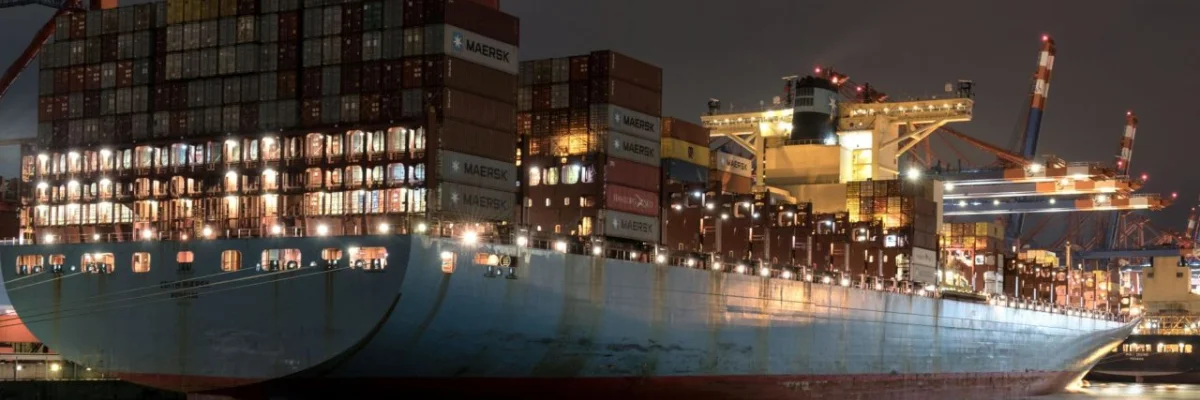
The global logistics landscape is undergoing a profound transformation driven by rapid technological advancement and increasing customer demands for real-time visibility. Freight forwarders are currently navigating a competitive market where manual processes and disconnected data silos act as significant barriers to operational growth. By embracing cloud-based platforms and digitizing core workflows, forwarders can unlock unprecedented efficiency and elevate their service standards. This transition requires a shift in mindset toward automation and data-driven decision making. Developing a robust digital infrastructure today is no longer just an optional improvement but a critical requirement for maintaining profitability and long-term relevance within the international shipping sector.
Streamlining Documentation Workflows

Effective document management remains the cornerstone of seamless supply chain execution. When forwarders replace traditional paper trails with centralized digital archives, they minimize human errors and accelerate processing times significantly for every shipment managed within their global network of partners.
- Automated Data Entry: Implement intelligent character recognition tools to extract data from bills of lading automatically to ensure accuracy and eliminate repetitive manual input for your busy operations team.
- Centralized Cloud Storage: Maintain a single source of truth by hosting all shipping documents in a secure cloud environment that allows for instant retrieval and real-time collaboration.
- Standardized Filing Systems: Develop consistent naming conventions and folder structures across your organization to ensure that every team member can locate essential documents within seconds of searching.
- Digital Approval Chains: Configure automated workflows that route documents to the appropriate stakeholders for review or approval, preventing bottlenecks and keeping your shipments moving through global borders.
By automating the heavy lifting associated with paperwork, your team gains the freedom to focus on high-value tasks like client relationships and strategic network expansion. Reducing the time spent on manual document processing allows for faster response times and improved accuracy. Transitioning to these digital practices positions your firm to handle higher shipment volumes without the need for proportional increases in administrative staff.
Leveraging Real-time Cargo Tracking
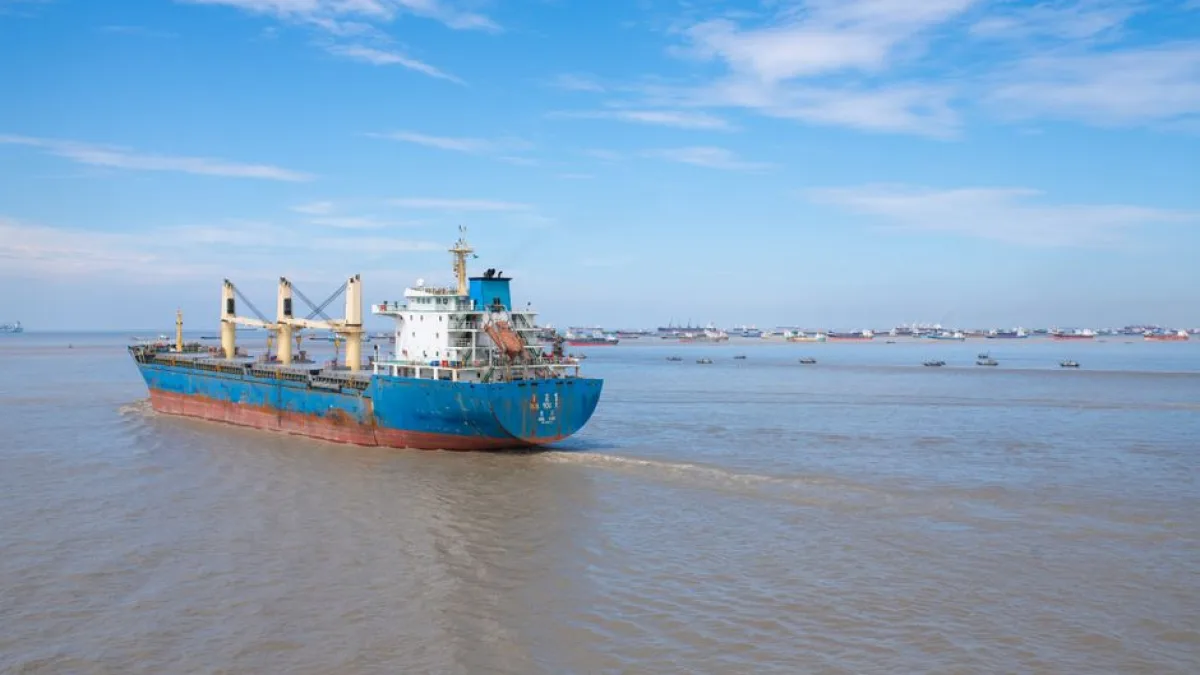
Customers expect immediate updates regarding their shipment status throughout the entire journey from origin to destination. Providing comprehensive visibility through integrated tracking tools helps forwarders build trust and strengthens long-term partnerships with clients who prioritize transparency in their supply chain.
- Automated Status Alerts: Trigger instant email or mobile notifications to keep customers informed as cargo moves through critical milestones, reducing the volume of inbound inquiries to your support staff.
- Interactive Tracking Dashboards: Provide clients with a personalized portal where they can view live vessel locations and shipment status updates without needing to contact your operations team directly.
- Proactive Issue Resolution: Monitor live data feeds to identify potential delays early, allowing your team to communicate effectively with clients before minor issues escalate into major operational problems.
- Data Driven Insights: Analyze historical tracking data to identify recurring transit delays or route inefficiencies, enabling you to optimize carrier selection for future shipments and improve reliability.
Investing in advanced tracking capabilities is one of the most effective ways to differentiate your services in a crowded market. When clients have the information they need at their fingertips, they experience less stress and higher satisfaction. Reliable visibility creates a foundation of accountability that makes your freight forwarding services indispensable to businesses that rely on precise delivery timelines for their operations.
Enhancing Communication with Partners

Communication breakdowns often lead to shipment delays and costly disputes between carriers, agents, and customers. Establishing a unified communication platform ensures that all project stakeholders remain aligned and informed, ultimately leading to smoother freight operations and more reliable outcomes for the end customer.
- Unified Messaging Hubs: Consolidate communications within your cargo management system to avoid the fragmented email chains that often cause important instructions or status updates to be missed entirely.
- Structured Communication Logs: Maintain a comprehensive history of all discussions related to a specific shipment, providing a clear reference point for troubleshooting any issues that may arise.
- Mobile Accessibility Tools: Equip your field staff and warehouse partners with mobile-friendly communication tools so they can update status changes or report issues instantly from any location.
- Collaborative Document Sharing: Enable partners to upload or update files directly into a shared project folder, fostering a more efficient exchange of information during complex multi-modal movements.
Strong communication habits serve as the glue that holds a complex supply chain together. By centralizing how your team interacts with vendors and clients, you reduce misunderstandings and promote a culture of transparency. Consistent messaging is essential for building a reputation as a reliable and professional freight forwarder. Your ability to maintain clear channels of dialogue defines the overall quality of service provided.
Scaling Operations Through Automation

As your business grows, manual management becomes increasingly unsustainable and prone to errors. Scaling requires the adoption of sophisticated automation that can handle complex logistical tasks with minimal oversight, allowing your human staff to handle the nuanced decisions that require professional expertise and judgement.
- Automated Freight Quotes: Utilize dynamic pricing algorithms to generate accurate quotes instantly for your clients, significantly improving conversion rates while reducing the time spent on manual price calculations.
- Smart Workflow Triggers: Design automated tasks that initiate actions based on system events, such as creating a delivery order as soon as cargo reaches the destination port facility.
- Integrated Accounting Tools: Sync your freight operations with accounting software to ensure invoices are generated and sent to customers immediately upon shipment completion, improving your overall cash flow.
- Performance Analytics Engines: Utilize built-in reporting tools to evaluate team performance and operational costs, identifying specific areas where automation can provide the greatest return on your investment.
Automation does not replace the human element; instead, it empowers your workforce to be more productive and effective. By offloading repetitive operational tasks to intelligent software, your team gains the capacity to solve complex problems and provide personalized service to your most important clients. Scalability is achieved when your systems grow alongside your business without requiring constant manual intervention or additional overhead.
Conclusion

Modernizing your freight forwarding business is a continuous journey that yields massive rewards in efficiency and client satisfaction. By focusing on document management, visibility, communication, and automation, you create a resilient foundation for future growth. Implementing these best practices today ensures that your firm remains competitive while providing high-quality service. Start optimizing your digital operations now to secure your position in the logistics industry.