Optimizing Digital Operations for Modern Freight Forwarding Success
Sunday, August 30 2026
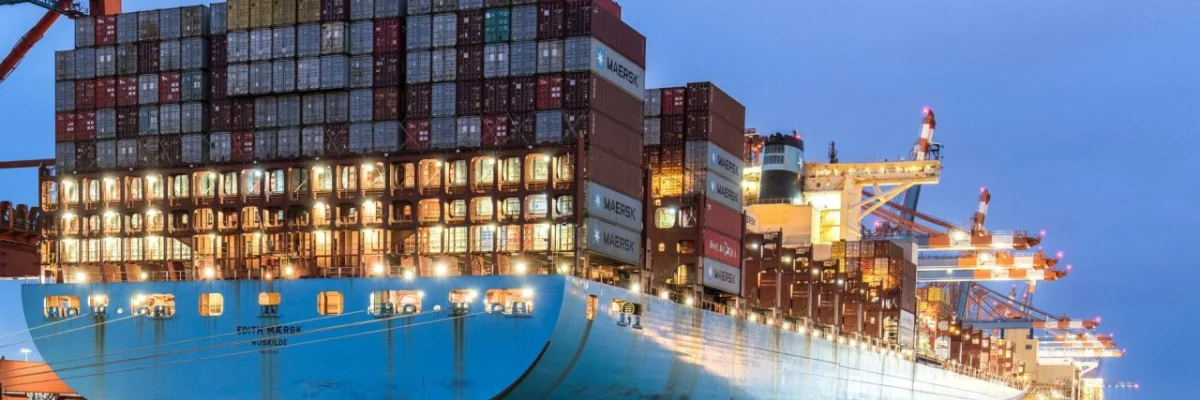
The global logistics landscape is evolving at a rapid pace, demanding higher levels of precision and transparency from every freight forwarder. As client expectations shift toward real-time visibility and instant communication, traditional manual processes often become bottlenecks that hinder scalability. Leveraging cloud-based technology allows firms to consolidate data, streamline documentation, and foster better collaboration across global teams. By embracing a digital-first strategy, logistics providers can effectively mitigate operational risks while simultaneously improving service quality. This transformation is not merely about adopting software but about creating a resilient framework that supports sustainable growth in an increasingly volatile international trade environment.
Centralizing Communication Channels

Unified communication platforms act as the digital heartbeat of your freight forwarding business, ensuring that every stakeholder stays informed throughout the shipping lifecycle. By integrating email, chat, and document sharing, you eliminate the fragmentation that frequently causes costly delays in logistics operations.
- Unified data access: Centralizing your communication ensures that all team members view the same shipment status simultaneously, which reduces internal confusion and prevents duplicate data entry across different systems.
- Instant client updates: Automated notification systems allow you to share critical milestones with customers instantly, enhancing trust and professional reputation through proactive status reporting and immediate issue resolution.
- Streamlined document sharing: Digital portals eliminate the need for long email threads by providing a secure repository where clients and partners can download or upload essential shipping documents.
- Team collaboration tools: Built-in messaging features enable your staff to discuss complex logistical hurdles in real time, keeping vital information linked directly to the relevant specific shipment files.
Adopting a centralized approach creates a single version of the truth that benefits your entire organization. When communication is organized within one accessible interface, your team spends less time searching for information and more time focusing on high-value client needs. This efficiency shift drives better performance outcomes and significantly reduces the probability of human error in your day to day shipping management workflows.
Automating Documentation Flows

Manual paperwork remains the primary source of administrative inefficiency for most freight forwarders, consuming hours that could be spent on strategic business development. Modern automation tools handle repetitive tasks with high accuracy, ensuring compliance and speed across all international shipping documents.
- Smart data extraction: Intelligent document processing tools automatically pull key information from invoices or bills of lading, which accelerates entry speed and minimizes common manual data transcription errors.
- Compliance validation checks: Automated systems verify that all required shipping documentation meets regional regulations before filing, which helps you avoid significant fines and border clearance delays.
- Digital signature integration: Incorporating e-signature workflows allows partners to sign contracts and customs forms instantly, drastically shortening the time required to complete necessary administrative project milestones.
- Customized template libraries: Accessing pre-formatted document templates ensures that your outgoing files maintain a professional standard while saving time on creating repetitive paperwork for standard cargo shipments.
By removing the burden of manual data entry, your staff can transition into more analytical roles that contribute directly to company revenue. Automation is not just about speed; it is about creating a scalable foundation where your firm can handle increased shipment volumes without expanding your headcount. These digital enhancements ensure consistent quality across every transaction regardless of your current operational load.
Enhancing Shipment Visibility
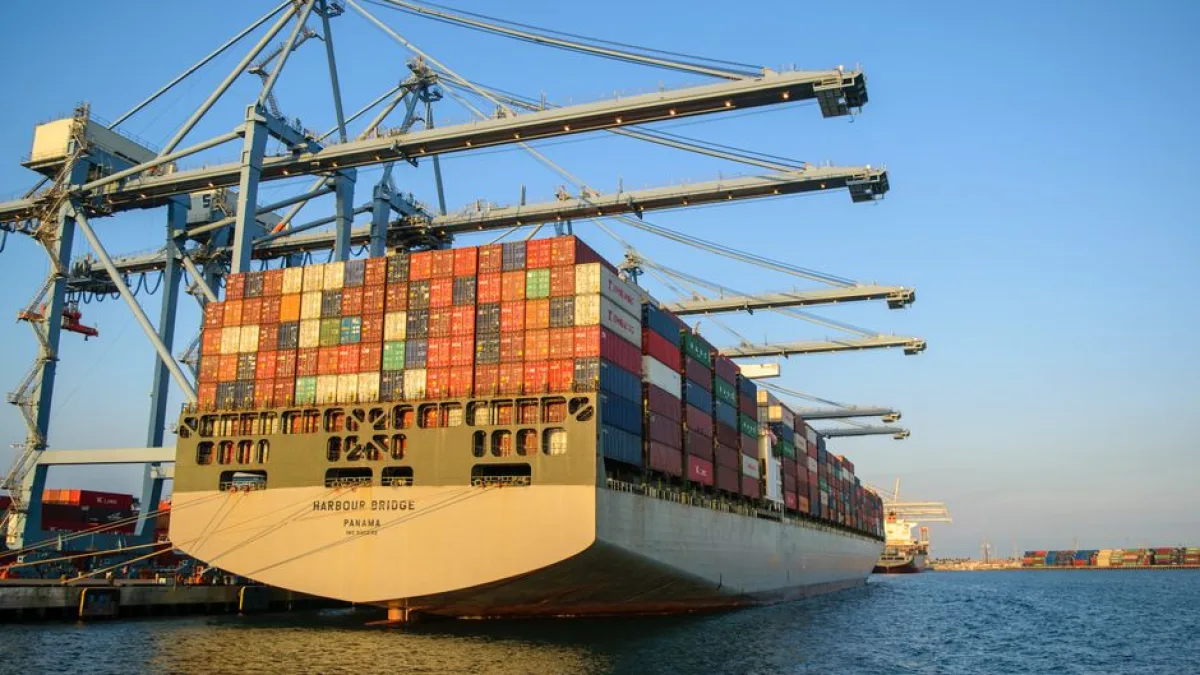
Real-time visibility provides the clarity needed to navigate complex global supply chains and manage customer expectations during unexpected disruptions. Providing clients with live tracking capabilities transforms your service from a standard utility into a high-value partnership that prioritizes total transparency.
- Live tracking portals: Providing customers with a branded web portal allows them to monitor the precise location of their cargo shipments without constant manual status update requests.
- Proactive disruption alerts: Automated systems detect delays caused by weather or port strikes, enabling your team to notify clients immediately and propose alternative shipping routes before issues.
- Geographic data mapping: Visual dashboards show shipment progress on interactive maps, giving your logistics managers a comprehensive overview of global trade flows and transit bottlenecks at once.
- Performance analytics reports: Aggregated tracking data allows you to generate detailed reports that highlight transit trends, helping you identify areas for improvement in your carrier network.
Superior visibility is the greatest competitive advantage a freight forwarder can offer in the current market. When clients feel fully informed, they are far more likely to remain loyal to your brand during periods of global instability. Investing in tracking technology effectively shifts your operational focus from reactive troubleshooting to proactive management, which creates a more stable and profitable logistics business model.
Managing Carrier Relationships Digitally

Digital platforms facilitate stronger connections with carriers by providing a structured environment for rate negotiations, capacity planning, and performance management. Efficiently managing these relationships through technology allows your team to secure better pricing and more reliable service levels for your end clients.
- Digital rate procurement: Centralized platforms allow you to request and compare quotes from multiple carriers instantly, ensuring you always select the most cost effective shipping options available.
- Capacity monitoring tools: Digital dashboards help you track real-time carrier capacity, making it easier to secure space on vessels during peak seasons when market demand remains high.
- Carrier performance metrics: Tracking service levels through automated scorecards helps you identify which partners consistently meet deadlines, allowing you to optimize your preferred vendor selection strategy.
- Automated billing reconciliation: Matching carrier invoices against expected contract rates via software prevents overbilling and ensures that your financial reporting stays accurate and transparent for your firm.
Managing carrier networks digitally creates a professional ecosystem that rewards performance and minimizes friction during the booking process. By utilizing data to guide your negotiations, you gain a stronger position in the marketplace and ensure that your clients receive the best possible value. This strategic approach to partnerships is essential for long-term survival in an industry driven by cost and efficiency.
Conclusion
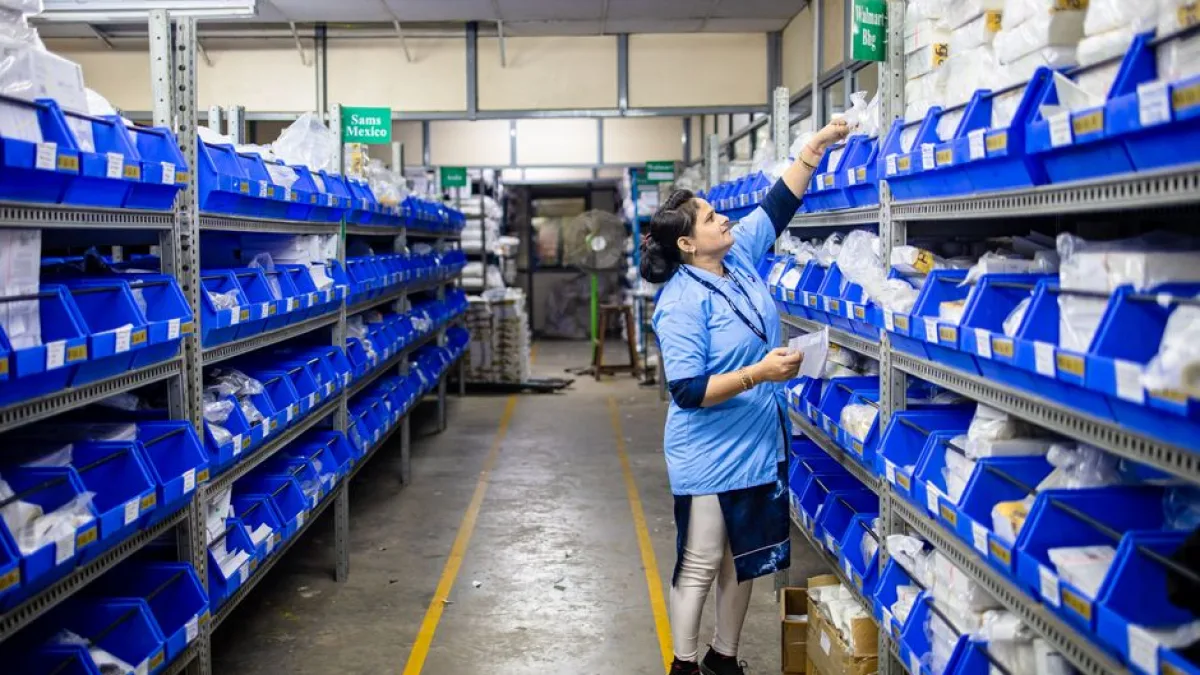
Transforming your freight forwarding business through digital innovation is the most effective path toward achieving sustainable growth and superior service. By centralizing communications, automating manual paperwork, increasing visibility, and optimizing carrier networks, your firm will gain a distinct advantage. Start auditing your current processes today to identify which manual bottlenecks you can eliminate to create a faster, smarter, and more reliable logistics operation for everyone.