Optimizing Financial Operations in Modern Freight Forwarding
Saturday, October 24 2026

Freight forwarding professionals navigate a complex landscape where financial precision is the backbone of operational success. As global trade volumes fluctuate, the ability to manage cash flow, automate billing cycles, and reconcile international accounts becomes a critical competitive advantage. Managing these financial workflows requires more than traditional accounting tools; it demands integrated cloud solutions designed for the intricacies of logistics. By digitizing billing processes, forwarders reduce manual errors, accelerate payment cycles, and gain deeper insights into their profitability per shipment. Mastering these financial operations ensures that your business remains resilient, scalable, and prepared for the rapid demands of global commerce.
Streamlining Invoicing Cycles

Modern digital platforms transform how logistics providers handle billing tasks by centralizing data. This visual transition represents the move from paper based accounting to cloud systems, allowing teams to generate professional invoices instantly upon shipment completion without manual delays.
- Automated billing generation: Our platform automatically pulls data from completed shipments to create accurate invoices, significantly reducing the time your finance team spends on manual data entry and formatting.
- Real time status tracking: Clients gain visibility into the financial progress of their shipments, which fosters better communication and leads to faster dispute resolution regarding specific freight charges.
- Integration with accounting: Seamlessly sync your invoice data with existing ERP systems to ensure that financial records are updated accurately without requiring multiple redundant manual data inputs.
- Customizable billing templates: Configure your documents to match specific client requirements or regional regulatory standards, ensuring that every invoice meets professional expectations while maintaining consistency across all accounts.
- Audit ready reporting: Maintain a clear digital trail of every transaction and billing adjustment, which simplifies the end of month reconciliation process and helps you prepare for external financial audits.
By automating the invoice generation process, forwarders can recover significant hours previously lost to administrative overhead. This shift allows finance professionals to focus on strategic growth and high level analysis rather than repetitive tasks. When systems communicate effectively, the risk of data discrepancy vanishes, paving the way for improved client trust and more reliable cash flow management across every active trade lane.
Managing Currency Fluctuations
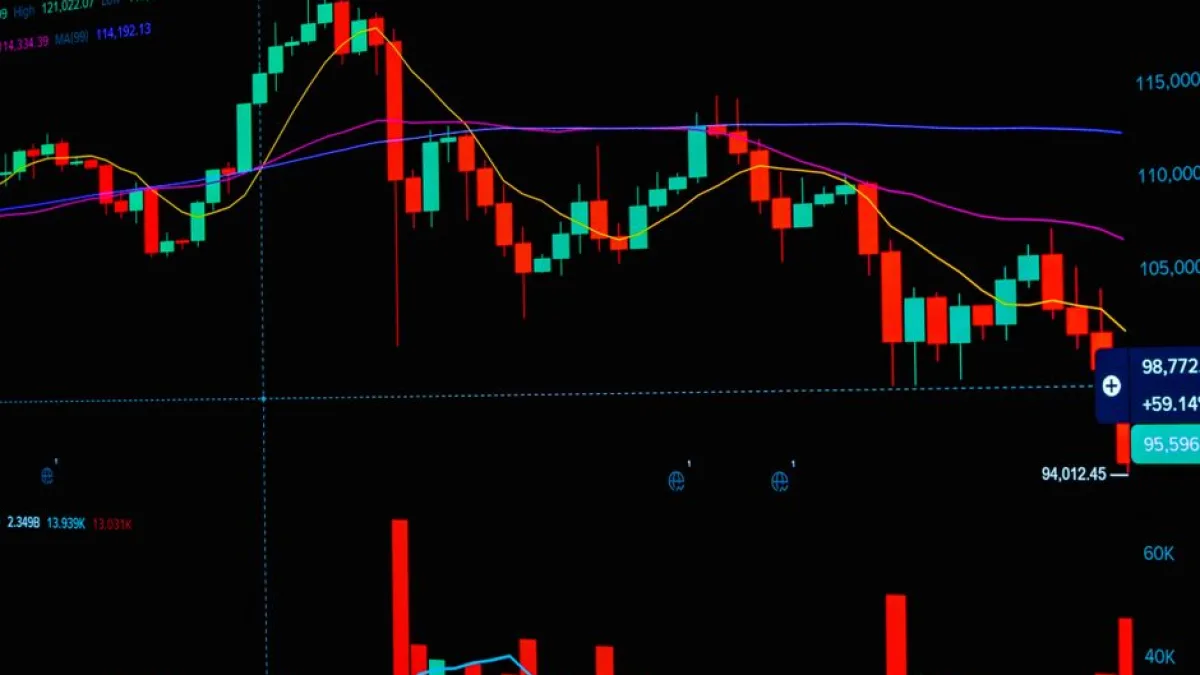
Fluctuating currency markets pose a constant challenge for international freight operations. This visual highlights the need for dynamic systems that track exchange rate variations in real time, ensuring that your quotes remain profitable even when global markets shift unexpectedly.
- Dynamic exchange rates: Integrate live market feeds directly into your quoting module to ensure that all financial projections are based on the most current data available today.
- Multi currency support: Handle complex international transactions by processing payments in various currencies, which simplifies operations for global clients and reduces banking fees for your own business.
- Automated margin protection: Set specific threshold alerts to notify your team when currency swings threaten your profit margins, allowing for proactive adjustments to your pricing strategies and quotes.
- Detailed financial reporting: Access comprehensive views of your financial exposure by region or currency, helping leadership teams make informed decisions about future investments and market expansion opportunities.
- Transparent client communication: Provide clear breakdowns of currency surcharges on customer invoices to build long term trust and maintain high levels of clarity regarding total shipment costs.
Managing currency risks effectively requires constant vigilance and the right digital tools to maintain stability. By leveraging automated systems that monitor these shifts, your firm can remain profitable regardless of global economic conditions. This proactive approach turns potential financial hazards into manageable variables, allowing your team to navigate the complexities of international trade with confidence and a focus on long term revenue protection.
Optimizing Cash Flow Visibility
Achieving total visibility over your cash flow is essential for scaling a logistics business. This image illustrates the power of data dashboards that provide an immediate snapshot of your financial health, identifying trends and potential liquidity gaps quickly.
- Centralized liquidity monitoring: Track incoming payments and outstanding balances from a single dashboard, giving you a comprehensive view of your current liquid assets at any given time.
- Aging report analysis: Use detailed aging reports to identify slow paying accounts early, enabling your team to implement more effective credit control measures and secure timely payments.
- Forecasting future revenue: Leverage predictive analytics tools to anticipate future cash flow based on historical shipment data and current pipeline volume, aiding in better resource allocation planning.
- Optimized payment terms: Strategically manage payment terms with your vendors and clients to balance your working capital needs effectively while maintaining strong relationships with your key industry partners.
- Integrated payment gateways: Offer customers multiple digital payment options to speed up the settlement process and ensure that your accounts receivable turnover remains at a healthy level.
Clear financial visibility empowers decision makers to act decisively when opportunities or challenges arise. When cash flow is monitored in real time, you can allocate resources more efficiently and address potential bottlenecks before they impact your operations. This high level control is the foundation of a sustainable business model that supports steady growth and keeps your logistics firm ahead of competitors.
Mitigating Financial Compliance Risks

Navigating the web of international financial regulations is a significant burden for modern forwarders. This image reflects the importance of maintaining strict documentation, which is vital for preventing legal complications and ensuring that all financial transactions adhere to standards.
- Regulatory standard alignment: Keep your financial practices aligned with local and international accounting laws to ensure that every transaction passes through rigorous internal and external compliance checks.
- Automated record keeping: Store all essential financial documents in a secure cloud environment, ensuring that your records are easily accessible for any necessary compliance audits or tax filings.
- Encryption and security: Protect sensitive financial and customer data with industry leading security protocols that safeguard your firm against digital threats and maintain client data privacy requirements.
- Risk assessment tools: Utilize software features designed to flag suspicious transaction patterns or compliance discrepancies, allowing your team to investigate and resolve issues before they escalate further.
- Detailed transaction history: Maintain a comprehensive audit trail of every financial movement within the platform to provide full transparency during any regulatory investigation or internal business review.
Staying ahead of compliance requirements protects your business from costly fines and reputational damage. By integrating compliance features directly into your financial software, you minimize risk while keeping processes efficient. A proactive approach to documentation ensures that you are always ready for scrutiny, allowing you to operate with peace of mind while you expand your global presence and serve a diverse client base.
Conclusion

Mastering financial operations is a fundamental requirement for any successful freight forwarder. By leveraging modern technology to manage invoicing, currency, cash flow, and compliance, your business will gain the agility required to thrive in a competitive landscape. Commit to digitizing your financial workflows today to ensure your team is equipped to handle future challenges with precision, reliability, and long term financial health as a priority.