Optimizing Freight Forwarding Billing Cycles for Improved Cash Flow
Wednesday, August 5 2026

Maintaining a healthy cash flow remains the lifeblood of any successful freight forwarding operation in an increasingly volatile global market. As profit margins tighten across ocean and air logistics, the ability to invoice clients accurately and collect payments promptly determines your firm's operational longevity. Many traditional forwarders still rely on manual data entry or fragmented legacy systems that invite errors and prolong billing cycles significantly. By modernizing your financial workflow with integrated cloud technology, your team can eliminate administrative bottlenecks, improve transparency with international partners, and ensure that every shipment contributes directly to your bottom line starting today.
Automating Your Invoicing Process

Digital transformation begins by replacing manual billing tasks with automated software solutions that capture shipment data in real time. By linking operational milestones directly to your financial system, you ensure that invoices are generated precisely when cargo arrives at its destination.
- Real-time data capture: Automatic syncing of shipment milestones ensures that your billing team captures every surcharge and service fee without the need for manual spreadsheet updates or fragmented document reconciliation.
- Reduced processing errors: Eliminating manual entry significantly lowers the risk of human error during the billing cycle which often leads to payment delays and strained relationships with your valued clients.
- Faster invoice delivery: Automated systems send digital invoices instantly upon delivery completion to ensure that your finance department gets paid faster while maintaining a professional and reliable image throughout.
- Centralized document management: Digital platforms keep every bill of lading and customs document organized in one accessible location to simplify auditing and speed up complex cross-border billing inquiries for staff.
Transitioning to automated invoicing fundamentally changes how your firm interacts with its capital reserves. When manual intervention is minimized, your staff gains the freedom to focus on high-value client communication instead of repetitive administrative chores. This shift not only accelerates the speed of your revenue cycle but also provides the precision required to compete in the fast-paced world of modern logistics and global supply chain management.
Managing Currency Exchange Risks

Fluctuating currency markets pose a constant threat to freight forwarder profitability when shipments cross multiple international borders. Using software that handles multi-currency invoicing protects your margins from unexpected volatility while keeping your clients informed of the actual costs incurred.
- Multi-currency support features: Leading software platforms automatically convert charges into your local currency while providing clear breakdowns that protect your profit margins from sudden shifts in foreign exchange market rates.
- Transparent client reporting: Providing clear documentation regarding exchange rates used during the transaction builds trust with customers who want to understand the true cost of their international logistics services.
- Automated rate updates: Dynamic systems fetch the latest market exchange rates daily to ensure your invoices remain accurate and fair while preventing significant financial losses due to outdated data.
- Mitigating financial volatility: Robust financial tools offer built-in protections that shield your agency from the risks associated with global trade by locking in rates at specific shipment project milestones.
Handling diverse currencies effectively is essential for any forwarder looking to expand their footprint beyond domestic markets. By implementing sophisticated software that manages these complexities, you remove the guesswork from your accounting department. Your team will spend less time calculating manual conversions and more time optimizing routes for clients, resulting in a more resilient business model that thrives despite global economic uncertainty and fluctuations.
Streamlining Accounts Receivable Workflows

Efficient accounts receivable management prevents the accumulation of bad debt and keeps your operational capital flowing smoothly. Proactive communication tools integrated into your software allow you to track payment statuses and send automated reminders to clients before invoices become overdue.
- Proactive payment reminders: Automated email sequences notify your clients of upcoming payment deadlines to significantly reduce the number of late payments and improve your firm's overall monthly cash flow position.
- Clear payment portals: Offering clients an easy digital interface to settle their invoices reduces friction and encourages faster payments by removing the complexities often associated with international wire transfers.
- Detailed aging reports: Sophisticated financial dashboards provide instant visibility into your outstanding receivables so your team can focus their collection efforts on the accounts that require immediate attention.
- Client relationship management: Integrating billing history with client profiles ensures that your account managers have full context before reaching out to resolve any outstanding payment issues or billing concerns.
Optimizing your accounts receivable process does more than just fill your bank account; it preserves the valuable relationships you have built with your customers. By utilizing clear, automated reminders and user-friendly payment portals, you remove the awkwardness from debt collection. This professional approach to financial management ensures that your clients appreciate the transparency and reliability of your firm throughout every shipping engagement.
Leveraging Real-Time Financial Analytics
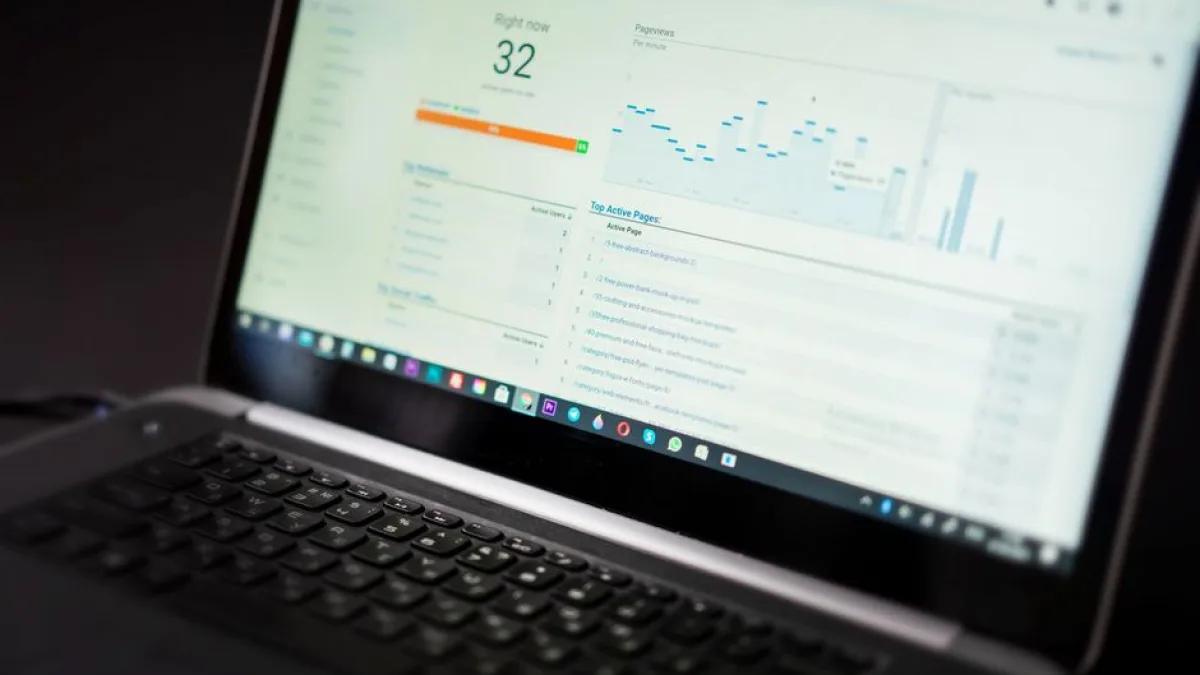
Data represents a powerful asset that allows freight forwarders to make informed decisions about pricing and operational costs. Utilizing advanced financial analytics provides a window into your business performance and reveals hidden trends that could be stalling your overall company growth.
- Customizable financial dashboards: Visual tools provide an at-a-glance view of your revenue trends and operational costs to help your leadership team identify the most profitable lanes and service offerings.
- Deep operational insights: Analytics allow you to drill down into shipment data to discover which services are performing below expectations so you can adjust your pricing strategy accordingly.
- Informed strategic planning: Access to historical financial data empowers your management team to set realistic growth goals based on verified performance metrics rather than relying on gut feelings.
- Optimized cost management: Tracking every expense in real time helps you identify areas where operational costs are spiraling so you can implement corrective measures before your profits suffer.
Using analytics to drive your financial strategy is the definitive way to outpace the competition in the freight industry. When you base your decisions on cold, hard data rather than intuition, you transform your company into a lean and agile organization. These insights enable your leadership team to pivot quickly when market conditions change, ensuring long-term profitability and sustainable growth in the global market.
Conclusion
Adopting cloud-based financial technology is no longer optional for freight forwarders aiming for scale. By automating your invoicing, managing currency risks, sharpening your collections, and using data to guide decisions, you position your agency for sustained success. Take the necessary steps today to integrate these tools into your workflow. Your future financial stability depends on the operational efficiency you choose to build right now.