Optimizing Freight Forwarding Billing Cycles for Improved Cash Flow
Sunday, September 27 2026

Modern freight forwarding relies heavily on the efficiency of financial operations to maintain a competitive edge in a fast-paced global market. Managing complex invoicing, currency fluctuations, and diverse carrier costs often creates bottlenecks that strain your liquidity and client relationships. By integrating intelligent software solutions, forwarders can automate manual billing tasks and gain real-time visibility into their financial health. This transformation not only reduces administrative errors but also accelerates payment cycles, ensuring your business remains profitable while delivering superior service. Transitioning to digital financial management is no longer an optional upgrade but a fundamental requirement for scaling operations effectively in today's landscape.
Mastering Automated Invoicing Processes
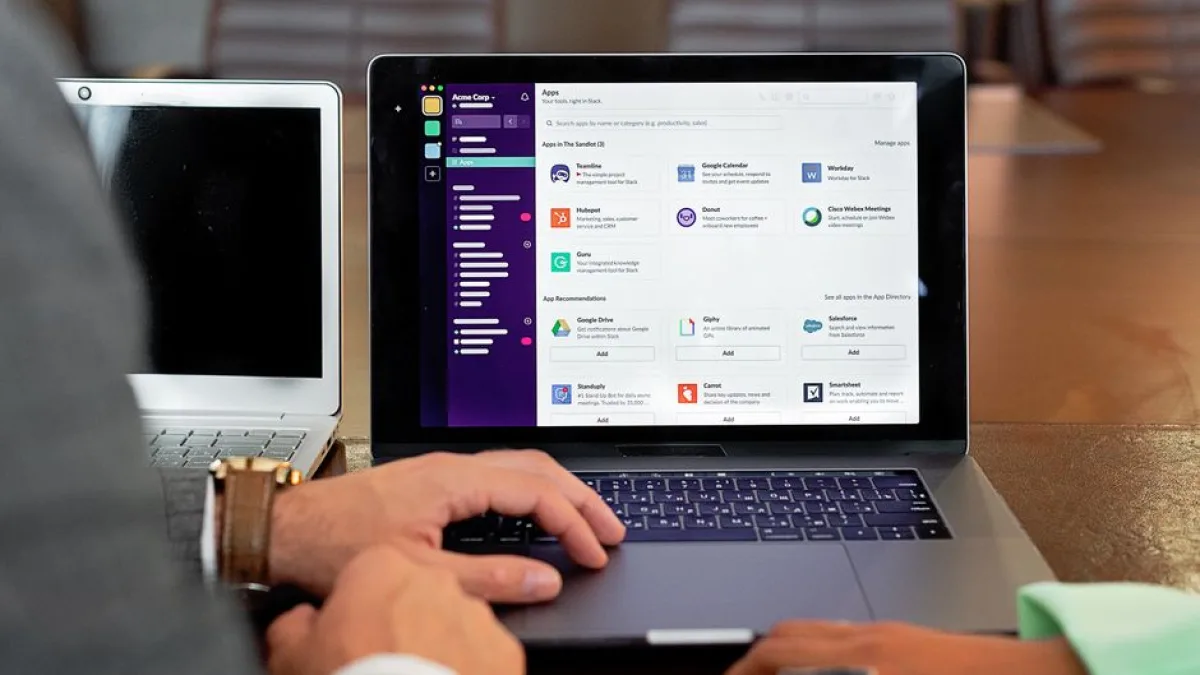
Automated systems transform the traditional paper-heavy billing process into a seamless digital workflow. By minimizing human intervention during document creation, freight forwarders reduce the risk of inaccuracies while significantly speeding up the delivery of invoices to global clients and partners.
- Reduced Billing Errors: Automated systems eliminate common data entry mistakes by pulling information directly from booking files and carrier rates to ensure every line item matches the shipment details.
- Faster Invoice Delivery: Digital platforms trigger immediate generation and delivery of invoices to customers as soon as freight services are confirmed, reducing the time between service and payment.
- Dynamic Currency Conversion: Modern software handles multiple currencies in real time, ensuring that international billing remains accurate and transparent regardless of where the freight movement occurs or ends.
- Standardized Document Formats: Consistency across all client invoices improves professional perception and helps accounting teams reconcile accounts faster without deciphering varied layouts or confusing manual calculation notes.
- Integrated Fee Structures: Platforms automatically apply pre-set markups and accessory charges, ensuring that no revenue is leaked during the billing process and every service is accounted for correctly.
Adopting automated invoicing does more than just save time for your accounting department. It provides your team with the freedom to focus on strategic growth rather than repetitive manual entry. By ensuring that every invoice sent is both accurate and prompt, you reinforce client trust and reduce the friction that often delays the collection process, ultimately helping your company achieve a healthier financial cycle overall.
Streamlining Carrier Reconciliation Tasks

Reconciling carrier invoices against your internal cost records is often the most time-consuming task for logistics finance teams. Effective software automates this matching process to detect discrepancies instantly, ensuring that you only pay for what was actually transported.
- Real Time Matching: Intelligent software platforms cross-reference carrier invoices with your internal shipment data to highlight price differences before they become major accounting disputes that stall your daily operations.
- Exception Management Alerts: Automated systems flag unexpected charges or surcharges, allowing your finance team to investigate specific cost spikes quickly rather than manually auditing every single incoming carrier document.
- Vendor Payment Automation: Streamlining your accounts payable processes ensures that you maintain strong relationships with your carriers by paying them on time and according to negotiated contractual agreements.
- Dispute Resolution Tracking: Digital logs keep a record of all billing disagreements, providing clear evidence to support your claims and making it easier to manage historical financial audits.
- Unified Cost Visibility: Consolidating all carrier data into one central repository allows for a granular view of costs, empowering your team to identify more efficient routing options.
Efficient carrier reconciliation is a critical factor for maintaining margins in a thin-margin industry. When your software handles the heavy lifting of auditing vendor costs, you can address potential issues proactively rather than waiting for annual audits. This level of oversight turns your finance department into a strategic unit that protects your bottom line while fostering better relationships with your essential carrier partners.
Optimizing Client Payment Terms

Balancing competitive credit terms with the need for immediate cash flow is a constant struggle for forwarders. By utilizing data analytics, you can tailor payment strategies to specific client behaviors, ensuring steady liquidity while maintaining strong relationships with customers.
- Risk Assessment Tools: Integrated modules analyze the credit history of your clients, allowing you to set appropriate payment terms that minimize the risk of non-payment or late collection.
- Customized Payment Plans: Software allows you to offer flexible billing schedules for high-value clients, which encourages early payments and builds long-term loyalty through personalized and responsive financial service.
- Proactive Payment Reminders: Automated notifications ensure that clients are reminded of upcoming due dates, which reduces the frequency of past-due accounts and improves your overall cash flow management.
- Payment Gateway Integration: Providing secure online payment portals makes it easier for clients to settle invoices instantly, removing barriers that often contribute to unnecessary delays in your cycle.
- Cash Flow Forecasting: Predictive tools use historical payment data to forecast your future income, helping leadership make informed decisions about investment, hiring, and expansion based on actual data.
When you leverage data to manage your client payment terms, you move away from reactive debt collection. Instead, you create a structured approach that respects the client experience while safeguarding your operational funds. Modern software gives you the tools to predict behavior and intervene early, ensuring your business maintains the financial stability required to navigate seasonal shifts in the global freight market effectively.
Leveraging Real-Time Financial Reporting

Comprehensive reporting provides the clarity needed to make data-driven decisions. By tracking KPIs related to billing and accounts receivable, forwarders can identify trends that influence revenue growth and spot inefficiencies before they negatively impact your company's long-term financial health.
- Profitability Analysis Tools: Detailed reports break down profit margins by shipment, client, or route, allowing you to focus your sales efforts on the most profitable areas of your business.
- Accounts Receivable Aging: Real-time dashboards provide an instant snapshot of overdue payments, giving your finance team the specific data they need to take action on delinquent accounts quickly.
- Operational Cost Tracking: Monitoring administrative overheads in relation to volume helps you determine when to scale up your team or invest in more automation to increase throughput.
- Currency Exposure Monitoring: Reports track how exchange rate fluctuations impact your total revenue, enabling your team to hedge against volatility and protect your margins during unstable market conditions.
- Strategic Business Insights: Consolidated financial reports allow management to present clear, accurate performance metrics to stakeholders, building confidence in the direction and scalability of your forwarder operations.
Harnessing real-time financial reporting transforms your accounting data into a roadmap for future success. By understanding exactly where your money goes and where it comes from, you can optimize your operations to maximize revenue. Consistent monitoring of these metrics ensures that your freight business remains resilient, allowing you to pivot quickly when market conditions change and stay ahead of your competitors consistently.
Conclusion

Optimizing your finance and billing processes is essential for the sustainable growth of any freight forwarding business. By embracing automation, improving carrier reconciliation, and utilizing real-time reporting, you create a robust financial foundation that supports operational excellence. Take the first step toward modernizing your workflows today by assessing your current software capabilities and identifying where digital integration can provide the most value for your team.