Optimizing Freight Forwarding Cash Flow through Digital Financial Management
Monday, August 17 2026

Modern freight forwarding relies on precise financial execution to maintain operational stability in a fluctuating global market. As logistics chains become more complex, manual billing processes often lead to errors, payment delays, and significant cash flow bottlenecks. For forwarders, the ability to automate invoicing and reconcile accounts in real time is no longer a luxury but a fundamental necessity for survival. By leveraging cloud-based platforms like MakeCargo, forwarders can transform their finance departments into strategic assets, ensuring that every shipment remains profitable and that vendor payments are managed with peak efficiency and complete transparency.
Automating Your Invoicing Process

Transitioning from manual spreadsheets to automated billing software drastically reduces the time spent on administrative tasks. Automated systems generate accurate invoices based on shipment milestones, ensuring that your customers are billed correctly and on time, which ultimately accelerates the payment collection cycle.
- Eliminate manual entry: Removing manual data entry points prevents common human errors that typically cause invoice discrepancies and lead to delayed client payments or complex reconciliation disputes for teams.
- Triggered billing events: Sophisticated systems automatically trigger invoice creation when specific milestones are met, ensuring that no billable service goes unrecorded or missed during the busy operational cycle.
- Dynamic tax calculation: Integrated engines calculate complex international tax requirements instantly, keeping your business compliant with various regional regulations without requiring manual research for every single unique shipment.
- Instant digital delivery: Customers receive electronic invoices immediately, which streamlines the approval process and ensures your accounts receivable department maintains a healthy and predictable cash flow trajectory.
By shifting to automated invoicing, your team regains valuable hours previously lost to repetitive data entry. This transition not only enhances accuracy but also strengthens client relationships by providing clear, consistent, and timely financial documentation. When billing cycles are predictable and error-free, your staff can focus on high-value logistics operations instead of troubleshooting old invoices or chasing late payments from long-term partners.
Improving Cash Flow Visibility

Clear visibility into your financial health is critical for making informed business decisions. Real-time dashboards provide a snapshot of pending invoices, aging receivables, and overall profit margins, allowing you to anticipate cash gaps before they become major operational problems for management.
- Real-time profit tracking: Monitor the profitability of every individual shipment through live dashboards, enabling you to identify underperforming lanes or high-cost vendors that impact your bottom line.
- Aging report analytics: Automated aging reports categorize outstanding payments, helping your team prioritize collections activities and address problematic accounts before they negatively affect your company liquidity levels.
- Forecasting future revenue: Use historical data trends to predict upcoming cash flows, providing your leadership team with the insights needed to plan for seasonal demand spikes effectively.
- Centralized financial hub: Consolidate all financial data into one single source of truth to avoid silos, ensuring that every stakeholder has access to identical and accurate reporting.
Comprehensive visibility ensures that no capital remains trapped in inefficient processes. When you monitor financial performance in real time, you gain the agility to adjust your strategies based on actual current data rather than outdated projections. This proactive approach to financial management helps maintain liquidity and supports long-term growth, positioning your freight forwarding business to navigate market volatility with total confidence and control.
Reducing Vendor Payment Risks
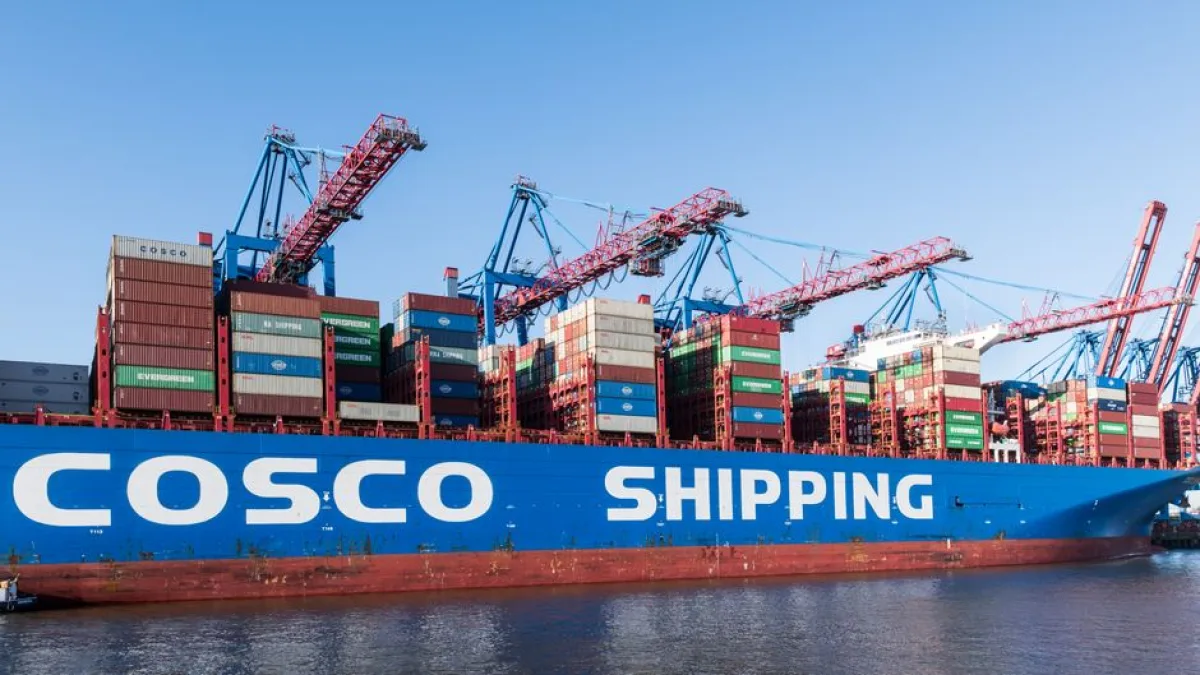
Managing vendor payments effectively is just as important as collecting revenue. Ensuring that carriers and partners are paid accurately and on time helps build strong, reliable networks, which are essential for maintaining a resilient supply chain during periods of high market demand.
- Centralized vendor portal: Provide an easy-to-use interface where partners can upload their invoices directly, reducing the administrative burden on your accounting department while increasing data transparency levels.
- Verification workflows: Implement automated matching processes that compare incoming vendor invoices against original quotes and bookings to prevent overpayments or duplicate charges from damaging profit margins.
- Timely settlement cycles: Consistent payment schedules foster trust and loyalty with essential carriers, ensuring they prioritize your cargo over other forwarders during periods of global container capacity shortage.
- Compliance and audits: Maintain a clear digital audit trail of all financial transactions, which simplifies regulatory compliance efforts and prepares your business for thorough annual financial audits.
Strong vendor relationships are built upon reliability and precise communication. By streamlining how you handle partner billing and settlements, you reduce the likelihood of disputes that can stall your operations. Efficient payment workflows demonstrate professionalism, which makes your company a preferred partner for top-tier carriers and allows you to negotiate better terms in the future while safeguarding your internal financial integrity.
Scaling with Cloud Integration

Cloud-based software enables your finance department to scale without the need for proportional increases in administrative staff. By integrating your billing system with other business tools, you create a seamless data flow that supports higher shipment volumes and international expansion.
- Seamless API connections: Connect your accounting software directly to your logistics platform to ensure financial data syncs automatically, removing the risk of data entry errors across different departments.
- Multi-currency support: Manage international trade easily with automated currency conversion tools, allowing your team to invoice in local currencies while maintaining reporting accuracy in your base currency.
- Global access points: Cloud platforms enable authorized staff to manage financial operations from anywhere in the world, supporting remote or distributed teams without compromising on security or performance.
- Data security protocols: Modern cloud infrastructures employ rigorous security standards to protect sensitive financial records and client information against potential breaches or unauthorized access in the digital landscape.
Scaling your operations effectively requires a technology backbone that grows alongside your business. Cloud integration removes the technical barriers that often limit expansion, allowing you to handle more shipments and complex financial transactions without adding complexity. By embracing these digital solutions, your freight forwarding business establishes a foundation for sustainable growth, improved operational efficiency, and a significant competitive edge within the global marketplace.
Conclusion

Mastering financial management is a key differentiator in the competitive freight forwarding sector. By implementing automation, enhancing visibility, and integrating your systems, you position your firm for sustained success and financial health. Start optimizing your billing processes today to unlock efficiency and drive growth. Reach out to the MakeCargo team to discover how our platform can streamline your unique financial operations.