Optimizing Freight Forwarding Cash Flow for Operational Success
Monday, August 17 2026
Maintaining healthy cash flow represents the ultimate challenge for modern freight forwarders navigating volatile global trade markets. When your operational efficiency is tethered to delayed invoice processing and complex payment cycles, your ability to scale effectively diminishes rapidly. By leveraging cloud-based platforms like MakeCargo, logistics professionals can transition from manual billing headaches to automated financial workflows that ensure prompt payments. This article explores how optimizing your finance and billing infrastructure empowers your business to thrive, reduces administrative overhead, and provides the liquidity necessary to secure capacity when your clients need it most during peak shipping seasons.
Mastering Automated Invoicing Workflows
Automated systems transform the way finance teams handle high volumes of documentation by removing human error from the equation. This shift allows staff to focus on strategic growth rather than manual data entry tasks that typically slow down revenue cycles.
- Real time synchronization: Modern platforms integrate financial data directly with operational tasks to ensure every shipment cost is captured accurately and billed to the correct client without any manual delays.
- Standardized invoice templates: Using uniform document structures helps your clients process payments faster because they always know exactly where to find critical information like tracking numbers and tax details.
- Automated billing triggers: Set your system to generate invoices the moment a shipment reaches a specific milestone so you stop waiting until the end of the month for cash.
- Reduced processing errors: Digital automation eliminates the common typos and miscalculations that cause clients to dispute invoices and delay payments for weeks or even months at a time.
By implementing these automated workflows, forwarders can significantly reduce their days sales outstanding metric while improving overall client satisfaction. When your billing is accurate and immediate, clients are more likely to approve charges without friction. This operational consistency builds trust and reinforces your reputation as a professional partner who values precision as much as the safe delivery of their international freight shipments.
Managing Currency Fluctuation Risks

Fluctuating exchange rates represent a hidden threat to profit margins in the logistics industry. Forwarders must actively monitor these movements to ensure that their pricing models account for currency volatility before they commit to fixed long term contracts.
- Dynamic pricing adjustments: Use software tools to update your service rates dynamically based on live market conditions so that you never absorb the cost of currency shifts.
- Multi currency billing: Offering clients the option to pay in their local currency simplifies their accounting processes and makes your services more attractive compared to regional competitors.
- Centralized financial reporting: Maintain a clear view of your global exposure by tracking all transactions in a single base currency while monitoring performance across multiple foreign markets.
- Automated hedge reporting: Keep detailed records of every currency transaction so your finance team can analyze historical trends and make better decisions regarding future rate protection strategies.
Smart management of currency exposure protects your bottom line and ensures that your margins remain stable regardless of global economic instability. By using digital tools to track these shifts, you gain a competitive advantage that manual spreadsheets simply cannot match. Stay ahead of market trends and protect your hard earned profits by embracing financial technology that prioritizes accuracy and rapid response capabilities.
Streamlining Vendor Payment Cycles

Building strong relationships with carriers and vendors requires timely payments that demonstrate your reliability. When you manage vendor payables with the same level of care as your own accounts receivable, you secure better capacity and favorable rates.
- Centralized vendor portal: Provide your partners with a secure digital space to upload their invoices and track their payment status to reduce constant status update inquiries.
- Automated payment scheduling: Align your vendor payouts with your own incoming client payments to ensure that you always maintain a positive cash flow position every month.
- Direct payment integrations: Connect your accounting software directly to your bank to automate large scale transactions and reduce the reliance on slow paper check systems.
- Verification workflows: Implement a systematic approval process for every vendor invoice to ensure that your outgoing payments match the services actually provided during the shipment.
When you provide a frictionless experience for your vendors, you become their preferred partner for difficult shipping lanes. This strategic advantage ensures you have priority access to space during supply chain bottlenecks. By automating the backend of your vendor relations, you cultivate a reliable network that supports your growth while maintaining the financial discipline required for long term success as a forwarder.
Leveraging Real Time Financial Analytics
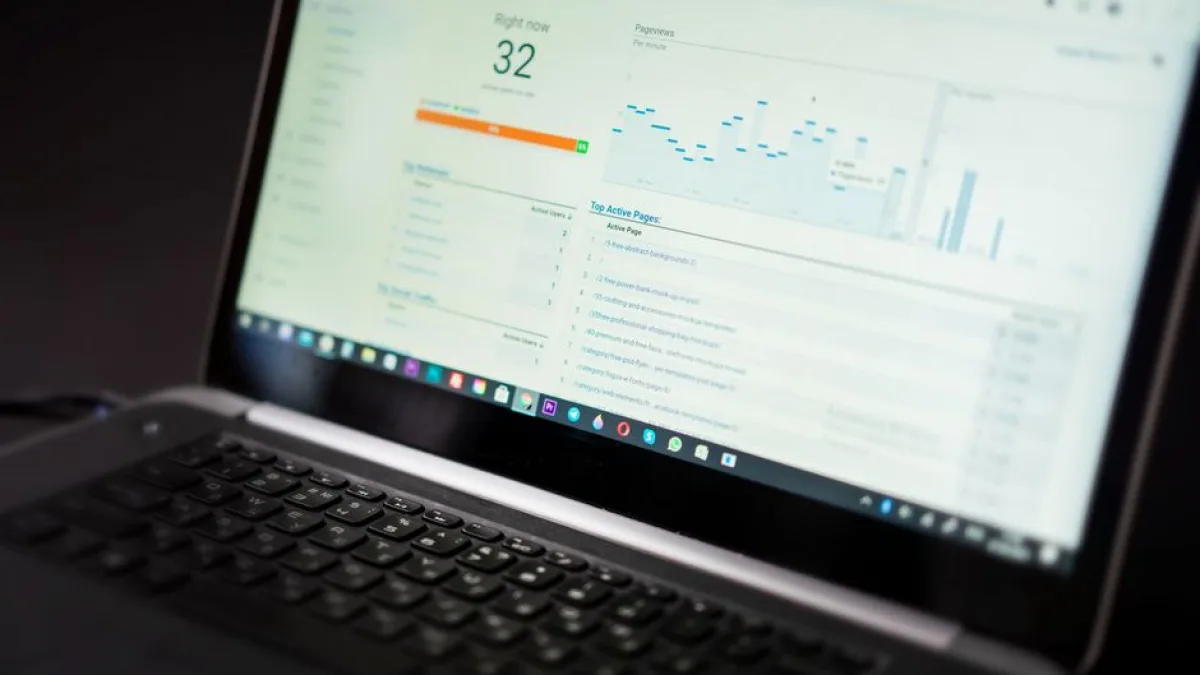
Data driven insights provide the clarity needed to make high stakes decisions regarding your business expansion. Without a clear view of your financial health, you are essentially flying blind through one of the most volatile industries in the world today.
- Live profit tracking: Monitor the profitability of every single shipment in real time to identify which routes or client sectors are delivering the best returns for you.
- Cash flow forecasting: Utilize predictive tools to anticipate your upcoming financial needs so you can prepare for seasonal demand shifts before they happen to your company.
- Client profitability analysis: Evaluate the administrative cost of managing specific clients to ensure that your service fees actually cover the time and resources you provide them.
- Automated tax compliance: Ensure that all financial records meet local and international regulatory requirements through built in tools that update based on current regional tax laws.
Harnessing the power of financial analytics turns raw data into actionable intelligence that drives sustainable growth for your logistics business. When you understand exactly where your money goes, you can eliminate wasteful spending and reallocate resources toward more profitable ventures. Empower your team with tools that turn complex billing information into simple visual reports that inform every strategic move you make today.
Conclusion

Optimizing finance and billing operations serves as the backbone of a successful freight forwarding firm. By integrating automated workflows and real time analytics into your daily processes, you secure your financial stability and enhance client relationships. Modern cloud platforms provide the structure needed to scale efficiently while minimizing risk. Start refining your billing strategy today to gain the control required to navigate the future.