Optimizing Freight Forwarding Cash Flow Through Modern Billing Practices
Wednesday, September 16 2026

Maintaining healthy cash flow serves as the backbone of every successful freight forwarding enterprise today. As logistics operations become increasingly complex, manual billing processes often lead to delayed invoices and significant revenue leakage. Forwarders must transition toward automated systems to ensure faster payment cycles and improved financial visibility. By integrating cloud-based tools, logistics professionals can reconcile international shipping costs in real time, minimize human errors, and secure their margins effectively. Embracing digital transformation allows firms to shift focus from administrative burdens to strategic growth, ultimately fostering stronger relationships with carriers and clients while sustaining profitability in a volatile global trade market.
Accelerating Invoice Processing Cycles

Digital dashboard tools represent the future of logistics finance by centralizing complex data points into intuitive workflows. These interfaces allow teams to monitor pending shipments and generate accurate invoices instantly, removing the bottlenecks associated with traditional, paper-based manual billing systems.
- Automated Data Capture: Modern software automatically extracts shipment data from booking files to populate invoices, ensuring high accuracy and reducing the time staff spend on repetitive manual entry tasks every day.
- Instant Invoice Generation: Once a shipment is confirmed, systems trigger the immediate generation of billing documents to customers, which drastically reduces the days sales outstanding and improves overall liquidity metrics.
- Centralized Billing Records: Having a single source of truth for all financial transactions prevents document loss and simplifies the retrieval process during annual audits or internal periodic financial reporting cycles.
- Real-time Payment Tracking: Integrated payment gateways provide instant updates when clients settle their dues, allowing accounting teams to allocate funds accurately without the delays common in legacy banking software.
Adopting automated invoice processing transforms how forwarders handle their daily accounting requirements. By eliminating the manual legwork that leads to errors, your team can accelerate billing cycles significantly. This shift ensures that cash flows steadily into the business, providing the necessary liquidity to manage operations. When billing happens at the speed of business, your firm gains a distinct competitive edge in the global logistics market.
Reducing Revenue Leakage Through Automation
Unclaimed costs frequently drain profit margins in freight operations due to discrepancies between estimated quotes and actual carrier charges. Automated reconciliation tools pinpoint these inconsistencies immediately, preventing small losses from escalating into major financial burdens that threaten the stability of the organization.
- Carrier Rate Matching: Software compares vendor invoices against original quoted rates in real time, automatically flagging any unexpected surcharges or fee discrepancies that require human intervention before processing final payments.
- Integrated Currency Conversion: Handling multi-currency transactions becomes effortless when your platform performs automated conversions using live market rates, eliminating the risk of math errors that frequently cause billing disputes.
- Transparent Cost Auditing: Detailed digital logs track every expense related to a shipment, providing a clear trail that justifies costs to customers and simplifies internal cost allocation procedures effectively.
- Proactive Margin Monitoring: Managers receive alerts whenever a shipment cost approaches the threshold of the allocated margin, allowing for rapid adjustments that protect the overall profitability of every handled cargo load.
Leakage occurs silently, eroding margins one transaction at a time if left unchecked. By implementing automated auditing and reconciliation, freight forwarders can capture every dollar earned. These systems protect the bottom line by validating every carrier charge against established agreements. With enhanced oversight, your finance department remains confident that every invoice sent to a client reflects true costs and expected company profit.
Strengthening Client Relationships via Transparency

Clear communication regarding financial expectations serves as the foundation for long-term customer loyalty in the logistics sector. Providing clients with detailed, professional invoices establishes trust and prevents misunderstandings that could damage your business reputation and long-term professional partnerships across the globe.
- Detailed Billing Breakdowns: Providing itemized statements helps clients understand exactly what they are paying for, reducing the volume of customer inquiries and speeding up the final approval of payment documents.
- Customizable Invoice Templates: Tailoring documents to align with your brand identity and client specific requirements makes your firm look professional and demonstrates a commitment to high-quality service delivery standards.
- Self-service Client Portals: Allowing customers to log in and download their own billing documents saves time for your support team and gives clients the autonomy they prefer for managing their finances.
- Prompt Dispute Resolution: Clear digital communication channels allow both parties to address billing questions quickly, ensuring that minor disagreements do not delay the collection of funds or damage relationships.
Transparency is a critical asset when managing client finances within the freight industry. By offering itemized invoices and accessible billing portals, you demonstrate reliability and care. These professional touches improve customer satisfaction and increase the likelihood of repeat business. When clients feel confident about the accuracy and clarity of your billing, they are much more likely to maintain a long-term partnership with you.
Strategic Financial Reporting and Planning
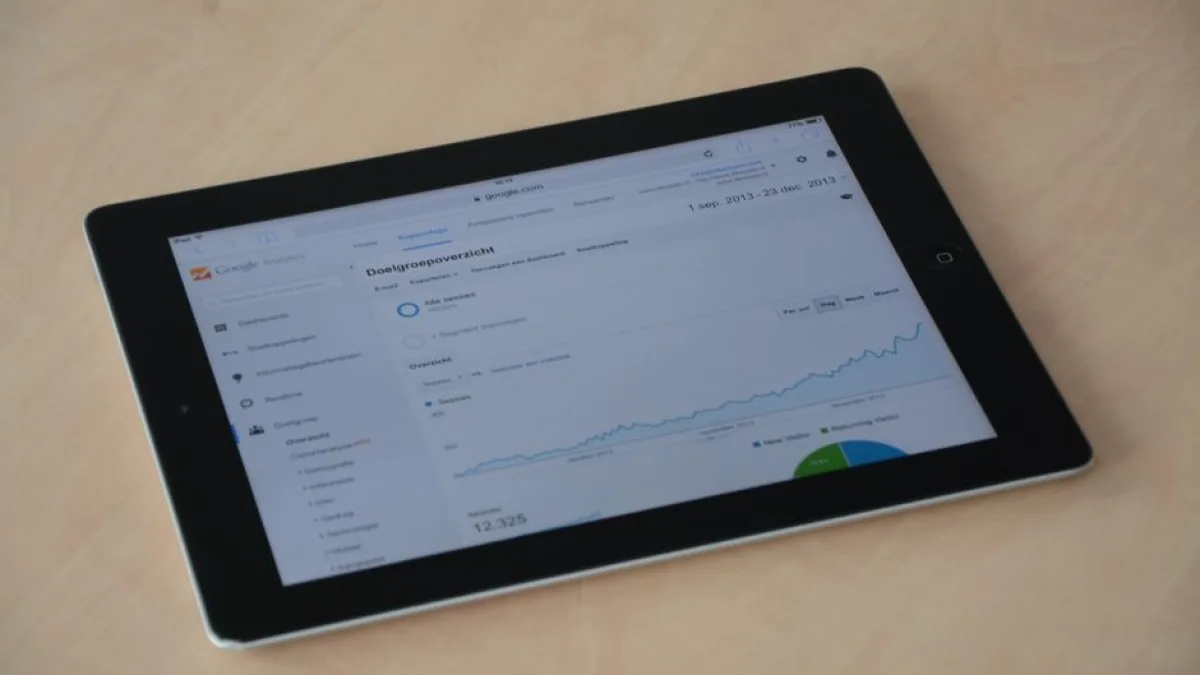
Data driven decision making requires access to precise financial reports that highlight trends and hidden opportunities for growth. Modern software transforms raw logistics data into actionable insights, allowing leaders to forecast cash flow needs and make informed investments that drive sustainable long-term expansion.
- Dynamic Financial Dashboards: Visual representations of your revenue streams and expense patterns provide management with a clear overview of the financial health of the business at any given moment.
- Automated Revenue Forecasting: Predictive tools analyze historical shipment data to estimate future cash inflows, assisting leadership teams in planning for seasonal fluctuations or unexpected market shifts in global trade.
- Custom Performance Reports: Users can generate specific reports for individual lanes, clients, or carrier partners, helping to identify which areas of the business are performing best and where improvements are necessary.
- Compliance and Tax Ready: Maintaining organized digital records makes the preparation for tax season or regulatory compliance reviews much simpler, ensuring your firm meets all legal standards without stressful efforts.
Strategic planning is only as effective as the data that supports it. By utilizing advanced reporting features, your team gains a deeper understanding of the financial dynamics influencing your business. This knowledge empowers leadership to make smarter decisions regarding resource allocation and growth. Transforming data into a compass for your company ensures that you are always moving in the right direction towards sustained success.
Conclusion

Optimizing your billing and finance processes is essential for thriving as a modern freight forwarder. By leveraging automation for invoicing, cost reconciliation, and reporting, you secure your margins and build lasting trust with your clients. Implementing these digital solutions today will position your firm to scale efficiently and handle the demands of a changing industry with confidence and stability for years to come.