Optimizing Freight Forwarding Efficiency in the Digital Age
Friday, July 24 2026

The global logistics landscape is undergoing a massive transformation as modern freight forwarders face increasing pressure to provide real-time visibility and seamless coordination. Staying competitive in this fast-paced industry requires moving beyond outdated manual processes and embracing robust digital platforms. By leveraging cloud technology, businesses can synchronize documentation, track shipments accurately, and reduce operational bottlenecks that traditionally hinder growth. Adopting these advanced tools allows teams to focus on delivering high-value logistics services while improving overall customer satisfaction and maintaining a leaner, more agile supply chain operation across borders.
Digital Workflow Integration
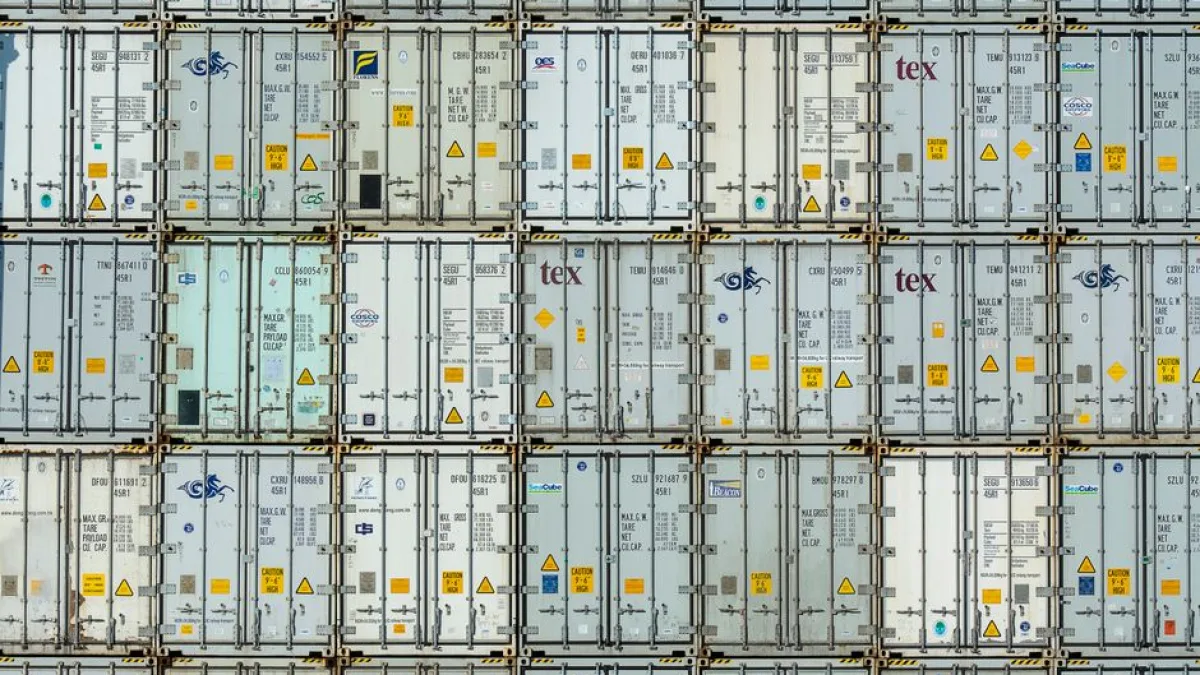
Integrating digital workflows into your daily operations creates a unified environment where data flows freely between stakeholders. This transition minimizes human error, speeds up communication, and ensures that your documentation remains accurate throughout every step of the international shipping lifecycle.
- Unified Data Entry: Centralizing your shipment information into one cloud platform eliminates the need for redundant manual input and significantly reduces the probability of costly clerical errors during booking.
- Automated Task Alerts: Implementing automated notification systems ensures your team never misses a critical deadline regarding customs clearance or cargo arrival dates for your most important clients.
- Document Management Systems: Storing all bills of lading and commercial invoices in a digital repository simplifies audits and ensures that documents are instantly accessible for global teams.
- Client Portal Access: Providing your customers with a dedicated login creates transparency, allowing them to track their freight independently and reducing the volume of inbound status inquiries.
Transitioning your workflow to a digital framework acts as the backbone for sustainable business scalability. When your team spends less time hunting for information across email chains, they become better equipped to handle higher shipment volumes without sacrificing service quality. This strategic move ensures your company remains reliable, transparent, and prepared for future growth in an increasingly volatile global shipping market environment.
Improving Shipment Visibility
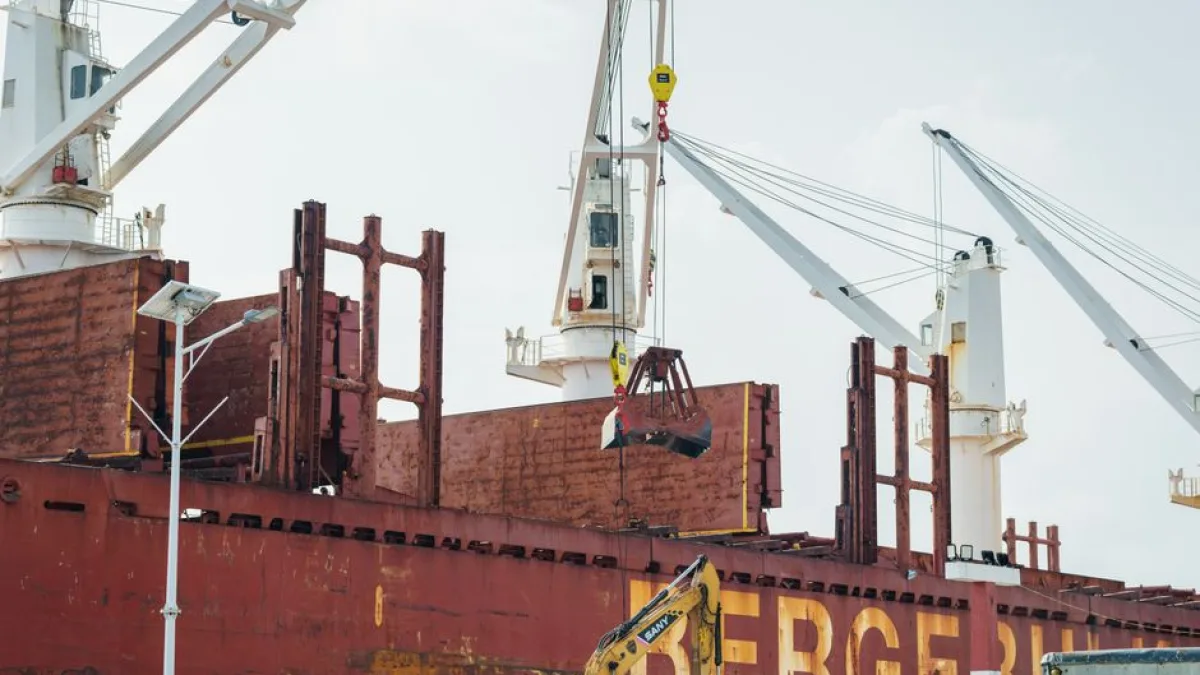
Total visibility is no longer a luxury but a fundamental requirement for modern shippers who demand constant updates on cargo status. Forwarders that offer comprehensive tracking capabilities build immense trust and differentiate themselves significantly from competitors still relying on manual updates.
- Real Time Tracking: Integrating GPS and carrier APIs allows you to provide live updates on vessel locations, keeping your clients informed about every movement of their goods.
- Exception Management Alerts: Setting up automated flags for delays or port congestion allows you to proactively communicate with stakeholders before they even notice a problem exists.
- Custom Dashboard Analytics: Utilizing data visualization tools helps you identify recurring transit delays and optimize route selection based on historical performance metrics for specific shipping lanes.
- Automated Status Notifications: Triggering email or SMS alerts based on specific milestones ensures that partners receive updates exactly when they need them without manual intervention.
Visibility serves as the bridge between your operations team and the expectations of your customers. When you provide accurate, timely information, you reduce anxiety and foster long-term partnerships built on transparency. Investing in high-quality tracking technology transforms your brand into a reliable partner that shippers trust to handle their valuable goods, even when unexpected global logistics challenges inevitably arise.
Automating Documentation Processes

Manual document handling is a major source of friction that slows down clearance processes and leads to administrative backlogs. By automating the creation, verification, and submission of logistics documents, you streamline the customs process and keep cargo moving across international borders effectively.
- Smart Document Templates: Creating standardized templates for common forms ensures that all essential data points are captured consistently while preventing errors that could cause shipment delays.
- Cloud Based Collaboration: Enabling multiple users to edit and verify documents in a single platform prevents version control issues and accelerates the document approval cycle significantly.
- OCR Data Extraction: Implementing optical character recognition technology allows you to convert physical paperwork into digital data, drastically reducing the time required for manual entry tasks.
- Electronic Signatures: Integrating e-signature tools into your platform speeds up the document authorization process, allowing partners to sign off on critical paperwork from any location.
Automation does not replace your expertise but instead elevates the quality of your output. By removing the tedious aspects of form completion, you free your staff to perform higher-level analysis and problem solving. This shift ensures that your documentation is always compliant and submitted on time, which is critical for avoiding storage fees and maintaining a positive reputation with local customs authorities.
Optimizing Client Communication

Clear communication is the heartbeat of successful freight forwarding and often defines how clients perceive your value. Leveraging modern tools to streamline how information is shared ensures that every message is professional, timely, and aligned with your brand standards consistently.
- Centralized Communication Hubs: Consolidating all client inquiries and internal messages within a single platform ensures that no request is overlooked and history is preserved for reference.
- Scheduled Progress Reports: Using automated reporting features to generate weekly summaries keeps clients informed of their shipments without requiring your team to draft them manually.
- Multi-Channel Support Tools: Offering support through multiple digital channels allows you to capture inquiries from various platforms, ensuring a rapid response to every single client request.
- Internal Team Collaboration: Utilizing internal chat features within your software keeps operations and sales teams aligned on shipment status, preventing miscommunication that leads to customer frustration.
Consistent communication builds the strong, long-term relationships that define a successful freight forwarder. When clients feel supported and informed, they are much more likely to remain loyal even when competitive pricing offers arise elsewhere. By prioritizing professional digital interaction, you demonstrate a commitment to excellence that separates your business from the rest of the industry and drives repeat revenue.
Conclusion

Mastering the digital landscape is essential for freight forwarders looking to grow their business efficiently. By integrating workflows, enhancing shipment visibility, automating documentation, and refining your communication, you establish a strong foundation for long-term success. Adopting these best practices within your cloud-based platform will not only streamline daily operations but also ensure you deliver superior value to every customer you serve.