Optimizing Freight Forwarding Efficiency in 2024
Saturday, July 25 2026
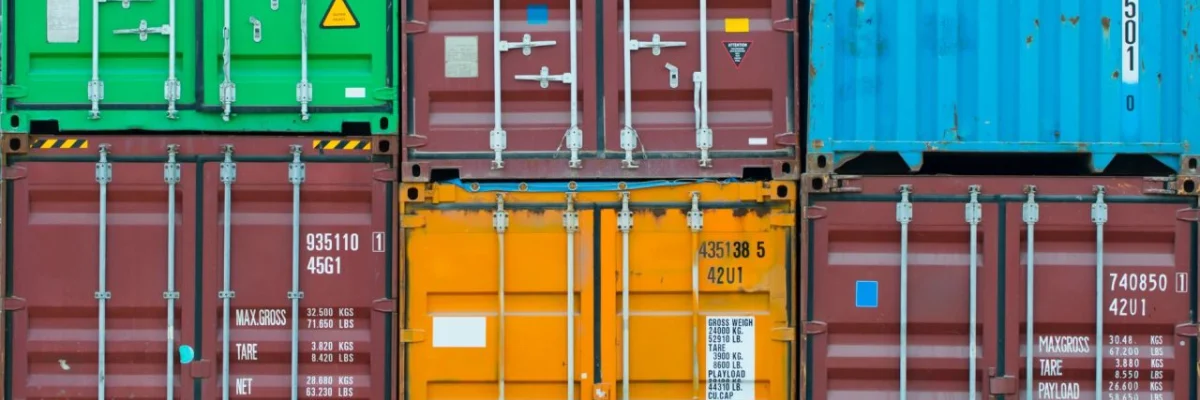
The global logistics landscape is undergoing a massive transformation driven by rapid technological integration and evolving customer expectations. For freight forwarders, the pressure to maintain operational excellence while managing complex international supply chains has never been higher. Transitioning away from manual, spreadsheet-heavy workflows is no longer a luxury but a fundamental necessity for survival. By leveraging modern cloud-based solutions, professionals can centralize communication, automate repetitive documentation tasks, and gain real-time visibility into every shipment. This guide explores the essential best practices that empower forwarders to stay competitive and provide superior service levels in a volatile and fast-paced market.
Embracing Cloud Automation

Cloud-based platforms redefine how freight forwarders handle data by removing the barriers of traditional desktop software. By syncing documentation across multiple locations, teams can finally achieve the seamless coordination required to manage global freight movements with minimal errors and maximum speed.
- Centralized Data Management: Storing all shipment data in a single cloud repository eliminates document silos, ensuring that every team member accesses the latest file versions for improved accuracy.
- Automated Document Workflow: Advanced software tools can auto-populate commercial invoices and packing lists, significantly reducing the manual labor hours typically required for repetitive and error-prone paperwork tasks.
- Real-time Team Collaboration: Integrated messaging features within the platform allow remote teams to exchange critical updates instantly, preventing communication gaps that often lead to expensive shipping delays.
- Scalable Infrastructure Growth: Cloud systems adjust to your growing business needs by providing elastic storage and computing power, allowing your freight operations to expand without major infrastructure investments.
Adopting a cloud-centric approach allows your business to pivot quickly when market conditions shift unexpectedly. By moving away from legacy systems, you ensure that your team remains agile and fully connected at all times. This modernization effort is the foundation for future-proofing your logistics operations while significantly reducing overhead costs associated with maintaining physical servers and disjointed software tools that hinder overall productivity.
Enhancing Shipment Visibility
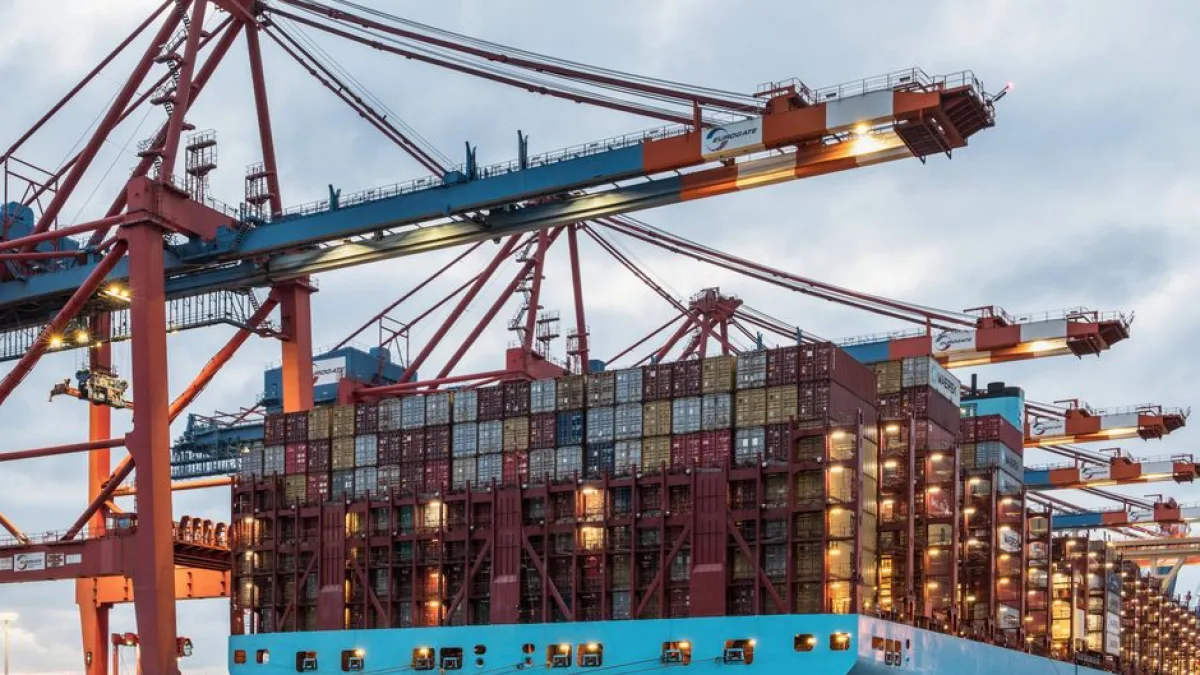
Providing customers with end-to-end transparency is the key to building long-term trust in a competitive industry. Visibility tools now allow forwarders to track containers across oceans and land routes, turning complex data points into actionable insights for the client.
- Integrated Tracking Portals: Customer-facing dashboards provide clients with self-service tracking capabilities, which reduces the number of inbound status update requests directed to your customer support team.
- Proactive Exception Alerts: Automated notification systems alert forwarders about potential port congestion or carrier delays, enabling them to communicate proactively with clients before problems impact their supply chains.
- Multi-Carrier Data Integration: Connecting your system with various carrier APIs consolidates tracking data into one interface, eliminating the need to log into multiple individual carrier websites daily.
- Customized Reporting Tools: Generate detailed performance reports that highlight transit times and cost efficiency, helping your clients make informed decisions based on historical logistics data analytics.
Superior visibility serves as a powerful differentiator that sets your forwarding business apart from competitors who rely on delayed status updates. When you empower clients with instant access to their shipment journey, you transform from a simple service provider into a strategic partner. This transparency reduces anxiety, fosters loyalty, and ultimately justifies your value as a key link in their global logistics chain.
Streamlining Carrier Communications

Maintaining clear communication channels with carriers is vital for avoiding scheduling conflicts and booking errors. By standardizing the way you exchange information, you minimize the risk of misinterpretation that frequently leads to lost cargo or missed deadlines in international trade.
- Automated Booking Requests: Digital booking forms ensure that every necessary detail is captured correctly from the start, preventing the back-and-forth emails that delay critical cargo space reservations.
- Standardized Electronic Messaging: Using EDI or API connections for booking confirmations guarantees that data flows directly into your management system without the need for manual data entry.
- Carrier Performance Tracking: Monitor carrier punctuality and service quality through built-in analytics to ensure that your preferred partners consistently meet the requirements of your demanding shipping contracts.
- Unified Digital Records: Keep a comprehensive history of all carrier conversations and agreements within the shipment file to avoid disputes regarding freight rates or special handling requirements later.
Efficient communication is the backbone of successful freight management in today's high-pressure environment. By minimizing friction with carriers, you ensure that cargo moves through the logistics network with the fewest possible obstacles. This focus on clear processes protects your profit margins, satisfies your clients, and strengthens your professional reputation as a reliable forwarder capable of handling even the most complex shipping challenges.
Prioritizing Regulatory Compliance

Navigating the complex maze of international customs regulations requires precision and constant vigilance. Proper documentation is the difference between a successful shipment and costly cargo seizures, making compliance a top priority for every serious freight forwarding professional operating in today's market.
- Automated Customs Updates: Subscription services integrated into your software ensure that you always have access to the most recent tariff codes and country-specific trade compliance regulations.
- Validation Checkpoints: Built-in software triggers perform automated document audits to flag missing signatures or incorrect information before files are submitted to the relevant customs authorities globally.
- Digital Audit Trails: Maintaining a secure and immutable history of every customs entry protects your business during official audits and helps verify compliance during complex insurance claims.
- Role-Based Access Control: Restrict document editing permissions to authorized staff members only, ensuring that sensitive regulatory information remains secure and protected from accidental or unauthorized changes.
Compliance is a non-negotiable aspect of the forwarding business that protects your company from legal risk and financial penalties. By investing in tools that automate regulatory checks, you remove the burden of manual validation from your staff. This commitment to accuracy builds confidence with customs authorities and clients alike, proving that your agency operates with the highest standards of professional excellence.
Conclusion

Successfully navigating the modern logistics landscape requires a blend of advanced technology, transparent communication, and strict adherence to regulatory standards. By implementing the best practices outlined in this guide, freight forwarders can effectively scale their operations and provide exceptional value to their clients. Embracing digital tools is the surest path toward long-term growth and success within this complex, ever-evolving global shipping industry.