Optimizing Freight Forwarding Efficiency with Digital Workflows
Sunday, July 26 2026

In the modern logistics landscape, freight forwarding companies face immense pressure to balance speed with accuracy. As global supply chains grow increasingly complex, the reliance on manual processes often leads to costly errors and operational bottlenecks. Transitioning to a cloud-based software platform allows businesses to unify fragmented communication channels, automate repetitive documentation tasks, and provide real-time visibility to all stakeholders. By adopting these digital-first strategies, professionals can focus on high-value strategic decision-making rather than administrative overhead. This guide outlines actionable best practices designed to streamline your operations, enhance customer satisfaction, and drive long-term profitability within your forwarding enterprise.
Centralizing Communication Channels
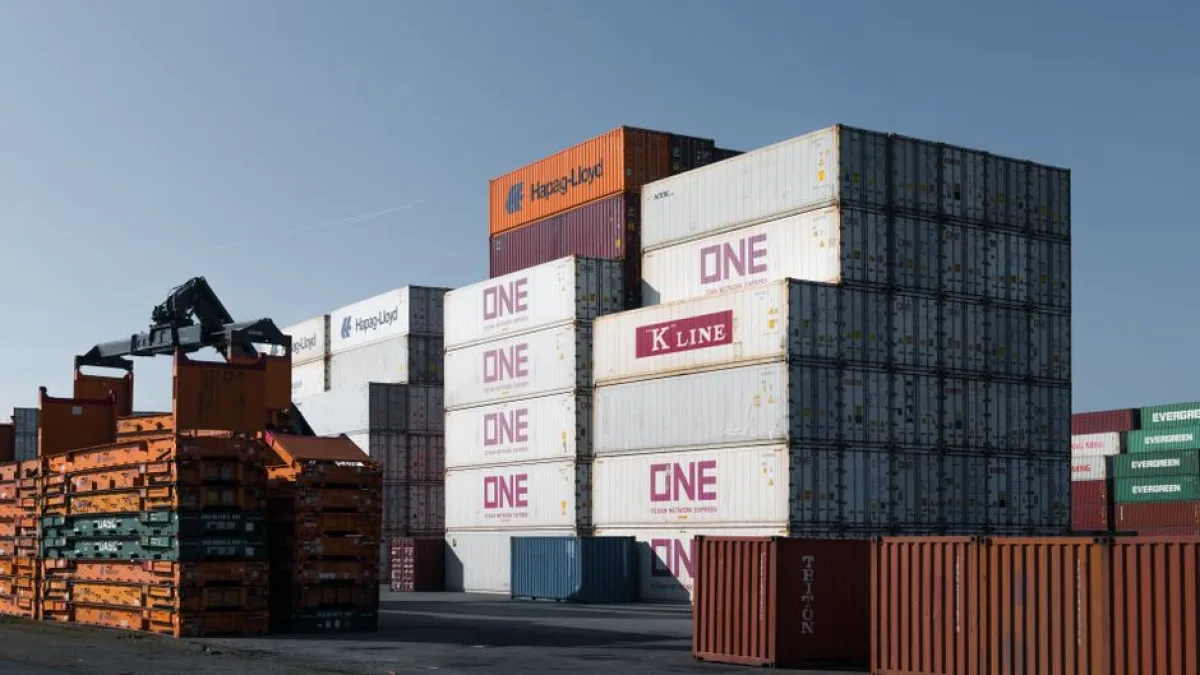
Unified communication creates a single source of truth for your entire team. By centralizing all shipment details, email threads, and document approvals within one digital interface, you prevent information silos that frequently cause delays and communication breakdowns during the shipping process.
- Automated Email Integration: Sync your existing email accounts directly into your freight management software to ensure every client interaction is automatically captured and logged against specific shipment reference numbers.
- Client Portal Access: Provide your customers with a secure web portal where they can view tracking updates, download documents, and request quotes without needing to call your office.
- Internal Task Assignment: Assign specific operational tasks to team members within the platform to maintain accountability and ensure that no critical steps are missed during the export process.
- Real-time Document Sharing: Eliminate the need for messy email attachments by hosting all bill of lading and customs documents in a shared cloud folder for immediate access.
Consolidating communication channels directly improves your team output and reduces the likelihood of human error. When everyone accesses the same accurate information, your response times to client inquiries decrease significantly. This strategy transforms how your staff interacts with both partners and cargo owners. By removing the dependency on scattered spreadsheets, your organization gains the clarity required to manage larger volumes of global freight.
Automating Documentation Processes

Automated document generation drastically reduces the manual labor involved in preparing shipping instructions and customs declarations. Instead of retyping information, intelligent systems pull data from your existing database to populate mandatory forms, ensuring consistency and regulatory compliance across all your shipments.
- Template Based Generation: Create standardized document templates that automatically pull recipient data and cargo dimensions directly from your shipment files to minimize potential typing errors during documentation.
- Compliance Error Checks: Utilize built-in validation rules that flag missing or incorrect data fields before you submit documents to customs authorities, preventing costly fines and border delays.
- Digital Signature Integration: Enable secure electronic signatures to accelerate the document approval cycle, allowing your partners to sign off on essential paperwork from anywhere in the world instantly.
- Auto-Archive Workflows: Configure your system to automatically store finalized documents in categorized digital cabinets that satisfy long term regulatory storage requirements for international shipping and trade compliance.
Efficiency in documentation is the backbone of a successful freight forwarding operation. By automating these repetitive administrative tasks, you allow your logistics coordinators to manage more shipments with less physical effort. This shift not only lowers your overall operating costs but also enhances your reputation as a reliable and precise service provider in a highly competitive global logistics marketplace today.
Leveraging Real-time Cargo Tracking
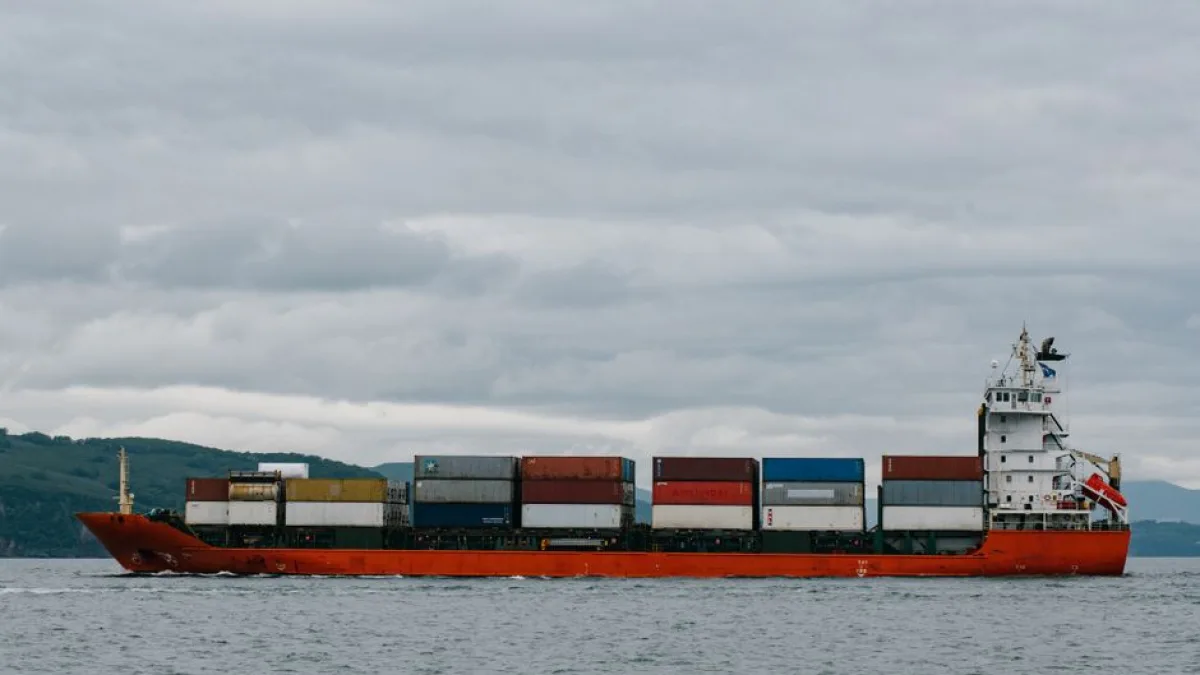
Real-time visibility is no longer a luxury but a fundamental expectation from modern clients. By integrating automated tracking updates, your firm can proactively manage exceptions and provide accurate estimated arrival times to shippers, which builds trust and strengthens your long-term business relationships.
- Live Status Feeds: Connect your platform to carrier APIs to receive automatic status updates on vessel locations, departure times, and arrival notifications without manual tracking through websites.
- Exception Management Alerts: Set up custom notification triggers that alert your logistics team when a shipment deviates from its planned path or experiences an unexpected transit delay.
- Proactive Client Notifications: Configure automated emails that keep your customers updated on their cargo status so they do not have to request information from your team.
- Performance Analytics Dashboard: Analyze historical shipment data to identify which carriers offer the most reliable transit times, helping you make smarter routing decisions for future cargo bookings.
Visibility is your most effective tool for managing client expectations in a volatile market. When you proactively communicate status changes before the customer even asks, you demonstrate superior service levels. This level of transparency requires robust software that tracks assets constantly. Implementing these monitoring strategies will allow your firm to mitigate risks, optimize routes, and provide exceptional value to every stakeholder.
Enhancing Financial Data Accuracy

Managing financial workflows through cloud software ensures that your invoicing, profit margins, and carrier payments remain perfectly balanced. By digitizing your financial records, you eliminate the risk of missing charges and improve your cash flow cycles through faster billing and precise reconciliation processes.
- Integrated Billing Cycles: Automatically generate customer invoices as soon as shipment milestones are met, ensuring that your billing process is timely, consistent, and free from manual calculation errors.
- Carrier Cost Reconciliation: Compare incoming vendor invoices against your original quotes to catch overcharges immediately and ensure you only pay for services actually rendered during the shipment.
- Profitability Tracking Tools: Gain instant visibility into the profit margins of each individual shipment by viewing real-time data on all associated revenue and secondary transportation costs combined.
- Currency Conversion Automation: Use built-in tools to handle multi-currency transactions, ensuring your financial reports accurately reflect exchange rate fluctuations without the need for external conversion spreadsheets or tools.
Accurate financial management is the cornerstone of sustainable growth for any freight forwarding business. By streamlining your billing and cost analysis, you empower your management team to make data driven decisions that protect your profit margins. A transparent view of your financial health allows you to scale effectively. Invest in digital financial tools today to stabilize your cash flow and expand.
Conclusion
Adopting digital workflows is essential for freight forwarders aiming to survive and thrive in a fast-paced environment. By prioritizing communication, automation, tracking, and financial accuracy, you can build a resilient logistics business that meets modern demands. Start small by integrating one key process at a time. Empower your team with the right tools to achieve long-term success and growth in the global freight market.