Optimizing Freight Forwarding Efficiency Through Smart Technology Integrations
Tuesday, July 28 2026
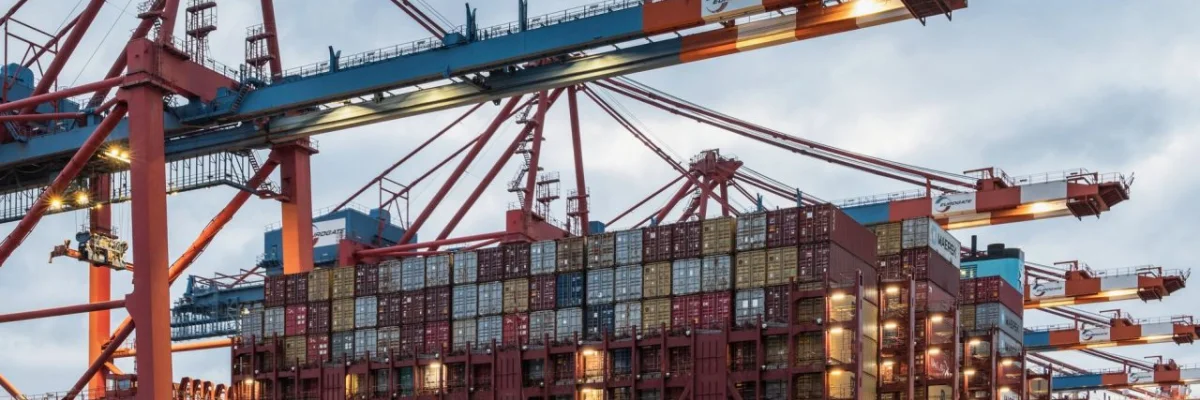
The global logistics landscape is undergoing a massive digital transformation that forces freight forwarders to reevaluate their operational strategies. Staying competitive in a volatile market requires more than just traditional shipping methods and manual spreadsheets. Modern logistics professionals are turning to cloud based platforms to synchronize complex supply chain workflows and ensure real time data visibility. By leveraging advanced integrations, companies can automate repetitive tasks, reduce human error, and provide clients with the transparency they demand. This shift toward a digitally integrated ecosystem is no longer a luxury but a fundamental necessity for scaling operations and maintaining profitability in a fast paced global environment.
Seamless Data Synchronization
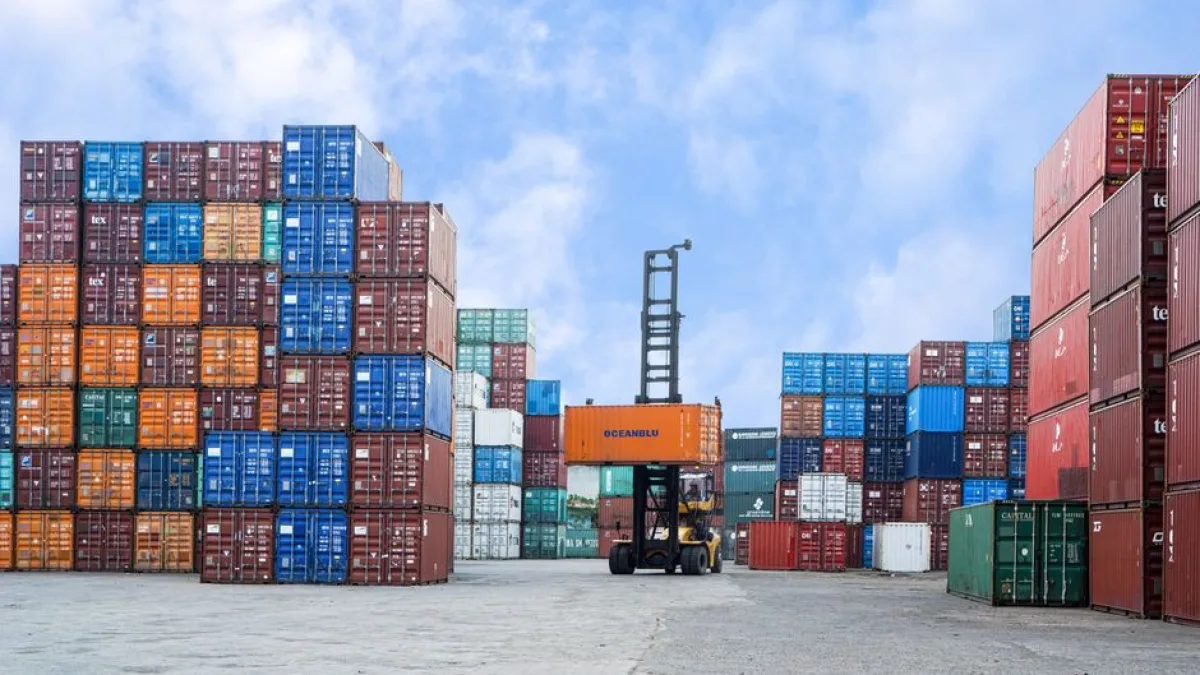
Integrating diverse systems allows logistics companies to break down data silos and create a unified workflow. When information flows effortlessly between departments, teams can react to delays or documentation requirements with speed and accuracy instead of managing scattered manual records.
- Eliminate manual entry: Automated data syncing between your TMS and external carrier portals significantly reduces the time spent on repetitive typing and minimizes costly human errors in documentation.
- Centralized operational truth: Establishing a single source of truth ensures that every team member views the same shipping updates and status changes throughout the entire lifecycle.
- Faster shipment visibility: Real time data synchronization provides instant status updates to both internal stakeholders and end customers, drastically improving overall service transparency and trust.
- Scalable system architecture: Cloud based platforms allow you to connect multiple applications seamlessly, providing the flexibility needed to grow your logistics operations without adding significant administrative overhead.
Achieving this level of synchronization changes how forwarders interact with their data on a daily basis. By removing the burden of manual updates, staff can focus on high level strategy and relationship management. This transformation creates a more resilient operational framework that supports growth while keeping service levels high, ensuring your business remains agile enough to pivot when unexpected global shipping challenges arise.
Automated Documentation Workflows

Documentation is often the most time consuming aspect of freight forwarding, frequently causing delays and financial penalties. Modern software integrations streamline the generation, verification, and submission of essential shipping papers to keep your cargo moving through international borders without unnecessary friction.
- Smart document generation: Automatically populate critical shipping documents like bills of lading and commercial invoices by pulling existing shipment data directly from your management software database.
- Error reduction protocols: Intelligent validation features check your documentation for common formatting or data entry errors before submission to customs authorities, preventing costly shipping delays.
- Paperless archive storage: Securely store all digital copies of compliance paperwork in a centralized cloud repository for instant retrieval during audits or customer inquiries at any time.
- Electronic signing integration: Expedite approval cycles by incorporating digital signature tools directly into your workflow, allowing all involved parties to sign and process essential documents remotely.
Automating these administrative tasks empowers your team to process higher volumes of shipments without sacrificing accuracy or compliance. By standardizing document management through integrated technology, you reduce the risk of human oversight that leads to port detention. This shift to digital reliability not only speeds up the release of goods but also builds a reputation for professional, error free logistics execution.
Carrier Portal Connectivity

Direct API connectivity with major carrier portals is a game changer for forwarders who want to offer superior service. Instead of visiting dozens of different websites, your team can manage schedules and tracking updates from one single, intuitive interface window.
- Live schedule lookups: Access real time sailing schedules and available capacity across multiple carriers directly within your platform to provide customers with the most accurate options.
- Instant rate comparisons: Quickly compare pricing structures and service offerings from various shipping partners to select the most cost effective or efficient route for each load.
- Automated status tracking: Pull container tracking information automatically through carrier APIs so you can update your clients without ever leaving your freight management software dashboard.
- Simplified booking workflows: Execute booking requests with carriers through secure API calls to ensure instant confirmation and eliminate the potential for miscommunication during the request process.
Having a direct line to carrier information allows forwarders to provide proactive service rather than reactive responses. When you can see capacity and schedule changes in real time, you become a consultant for your clients rather than a simple booking agent. This capability transforms your client relationships and establishes your platform as a vital asset for complex international shipping operations.
Financial Reporting and Analytics

Data driven decision making is essential for maintaining healthy margins in the competitive freight industry. By integrating your financial modules with operational data, you gain a clear view of total profitability, allowing for smarter pricing and improved long term business planning.
- Real time profit analysis: Automatically track cost variations and revenue fluctuations per shipment to ensure that every move aligns with your established profit margin targets today.
- Customizable reporting tools: Generate deep analytical reports on carrier performance and route profitability to identify trends that help you negotiate better rates with your shipping partners.
- Seamless accounting export: Push final shipment costs and revenue data directly into your accounting platform, reducing manual reconciliation efforts and accelerating your monthly financial closing cycles.
- Forecasting business growth: Leverage historical shipment data to predict future demand and adjust your resource allocation accordingly, ensuring your team is always prepared for seasonal peaks.
Understanding your financial health down to the specific shipment level is a massive advantage in today's market. With these insights, your leadership team can identify which routes are underperforming and which partnerships offer the best returns. Integrating financial analytics ensures that every strategic move is backed by concrete data, leading to more profitable outcomes and sustainable business development.
Conclusion

Adopting integrated technology is the defining factor for success in modern freight forwarding. By breaking down data silos, automating documentation, and leveraging direct carrier connectivity, you position your company to outperform the competition. Embrace these digital tools to transform your workflows and provide unparalleled transparency to your clients. Start your journey toward a more efficient, automated, and data driven freight business today.