Optimizing Freight Forwarding Efficiency in the Digital Age
Wednesday, July 29 2026

The global logistics landscape is undergoing a massive transformation as modern freight forwarders face increasing pressure to provide transparency and speed. Managing complex supply chains requires more than just traditional manual processes; it demands a strategic shift toward digital agility. By leveraging cloud-based platforms and real-time data analytics, forwarders can eliminate operational bottlenecks and improve service quality for their clients. Adapting to these technological advancements is not merely an option for growth but a necessity for long-term survival in a competitive market where precision and reliability determine the success of international trade relationships every single day.
Leveraging Cloud Connectivity

Cloud platforms serve as the backbone for modern logistics operations by centralizing critical data into one accessible hub. This connectivity ensures that teams across different global regions remain synchronized, reducing the risk of errors and communication delays that often plague older, fragmented software systems.
- Real-time data synchronization: Cloud-based systems ensure that all stakeholders access the latest shipment updates immediately, preventing costly miscommunications and ensuring that everyone remains aligned throughout the entire transit process.
- Enhanced team collaboration: Digital infrastructure allows remote staff to share documents and status updates effortlessly, which significantly boosts overall office productivity and speeds up complex documentation workflows for clients.
- Scalable system architecture: Cloud solutions allow your business to grow without technical friction, providing the flexibility to add new users or regions without needing expensive server upgrades or maintenance.
- Improved system security: Robust cloud providers offer advanced encryption and automatic backups, protecting sensitive shipping data from cyber threats and ensuring compliance with international data privacy standards for all.
Adopting a cloud-based approach allows you to break down traditional silos within your organization. By ensuring that every team member views the same live information, you minimize the risk of human error during documentation. This seamless flow of data not only improves accuracy but also empowers your staff to make faster decisions, ultimately leading to a more responsive service experience for your valued customers.
Automating Routine Documentation

Manual entry of bills of lading and commercial invoices is a time-consuming task that drains internal resources and risks accuracy. Automated tools now handle these repetitive processes, freeing your skilled team to focus on high-value client relations and complex exception management instead.
- Automated document generation: Smart software extracts data directly from existing files, automatically creating accurate shipping documents to save your staff hours of tedious manual data entry tasks every week.
- Error reduction strategies: Automated validation tools check for inconsistencies in shipping details immediately, flagging potential issues before they cause delays at customs or within the complex carrier network.
- Efficient template management: Standardizing your digital documentation templates ensures a professional look across all communications while significantly accelerating the creation of repetitive reports and recurring shipping manifest documents.
- Seamless file storage: Digitized archives allow for instant retrieval of historical shipment records, simplifying internal audits and providing quick proof of delivery whenever your clients request this information.
By automating the drudgery of paperwork, you transform your operational focus from administrative maintenance to proactive service management. Your employees will spend less time correcting typos and more time solving logistics challenges for your clients. This shift creates a leaner, faster organization that can handle a higher volume of shipments without needing to increase the headcount of your back-office support team.
Enhancing Shipment Visibility
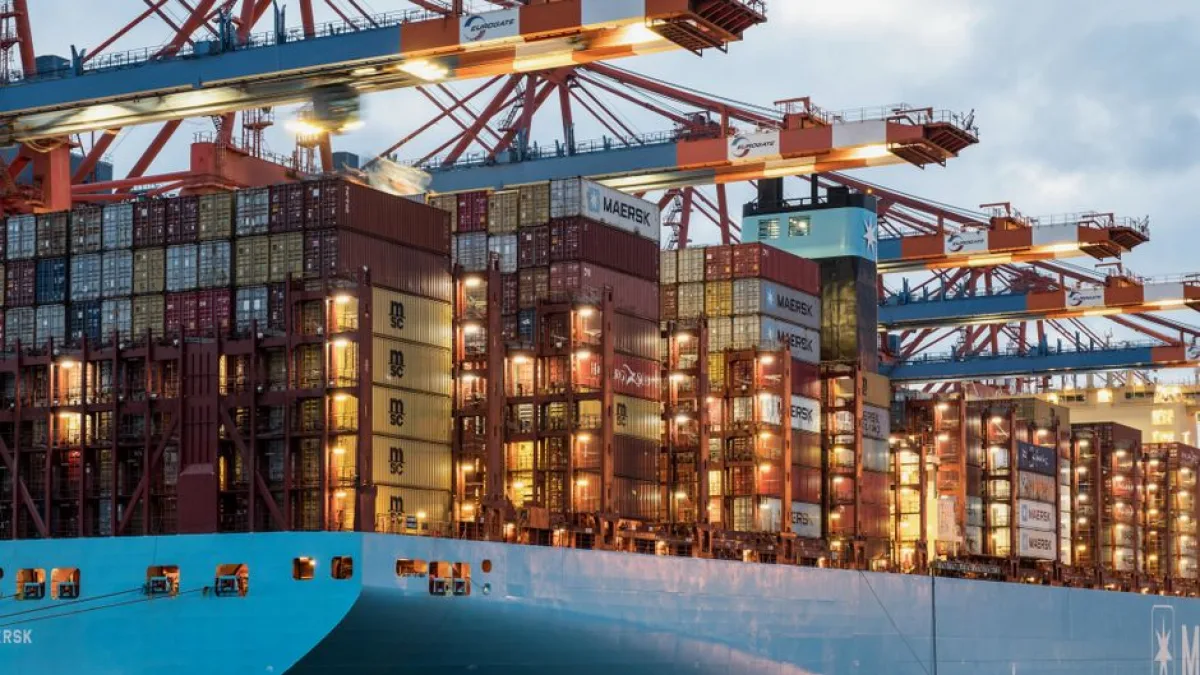
Providing clients with live tracking information is the gold standard in modern freight forwarding. Advanced visibility tools bridge the gap between departure and arrival, giving your customers the peace of mind that comes from knowing exactly where their goods are at any moment.
- Live tracking updates: Integrating carrier tracking APIs directly into your portal provides automated status notifications, keeping your clients informed without the need for manual check-ins or constant phone calls.
- Transparent communication channels: Automated alert systems proactively notify stakeholders about potential delays, fostering trust and allowing your team to manage client expectations before a minor issue becomes a crisis.
- Interactive client portals: Giving customers a dedicated space to view their active shipments promotes self-service and reduces the administrative burden on your customer service representatives during busy periods.
- Predictive delay analytics: Utilizing data patterns helps you anticipate potential bottlenecks at specific ports, allowing for proactive routing adjustments that keep the supply chain moving smoothly for everyone.
Transparency is no longer a luxury but a fundamental expectation in international trade. When clients receive proactive updates, they feel more confident in your services and are less likely to call for status checks. By providing high-quality visibility, you build deeper loyalty and differentiate your brand from competitors who rely on older methods of communication and reactive status reporting practices.
Streamlining Financial Workflows

Effective freight forwarding requires tight integration between shipment status and financial invoicing. Aligning your billing cycles with actual cargo movement ensures that you get paid faster while reducing the administrative overhead associated with manual accounting and complex reconciliation processes each month.
- Integrated billing systems: Syncing shipping milestones with your accounting software ensures that invoices are generated accurately the moment a shipment concludes, significantly improving your company cash flow and efficiency.
- Faster payment processing: Digital invoicing platforms allow clients to settle balances instantly via secure online portals, cutting down the wait times typically associated with traditional mail and check payments.
- Automated expense tracking: Monitoring costs in real-time allows for immediate identification of budget variances, helping you maintain healthy profit margins on every single move you execute for clients.
- Precise margin analysis: Detailed reporting tools track the profitability of specific trade lanes or clients, providing actionable insights that help you make better strategic decisions for your business.
Managing the financial side of logistics should be as fluid as the physical movement of cargo. By automating the link between operations and accounting, you eliminate the delays that cause cash flow gaps. A streamlined financial process means your team spends less time hunting down payments and more time growing the business through smart, data-driven decisions and improved client service quality.
Conclusion

Mastering the digital landscape is the best way to future-proof your freight forwarding business. By integrating cloud technology, automating routine tasks, and prioritizing transparency, you create an environment where efficiency and client satisfaction thrive together. Start implementing these best practices today to simplify your operations, reduce unnecessary costs, and build a more resilient organization that can successfully navigate the challenges of modern global trade.