Optimizing Freight Forwarding Efficiency with Digital Automation
Tuesday, August 4 2026
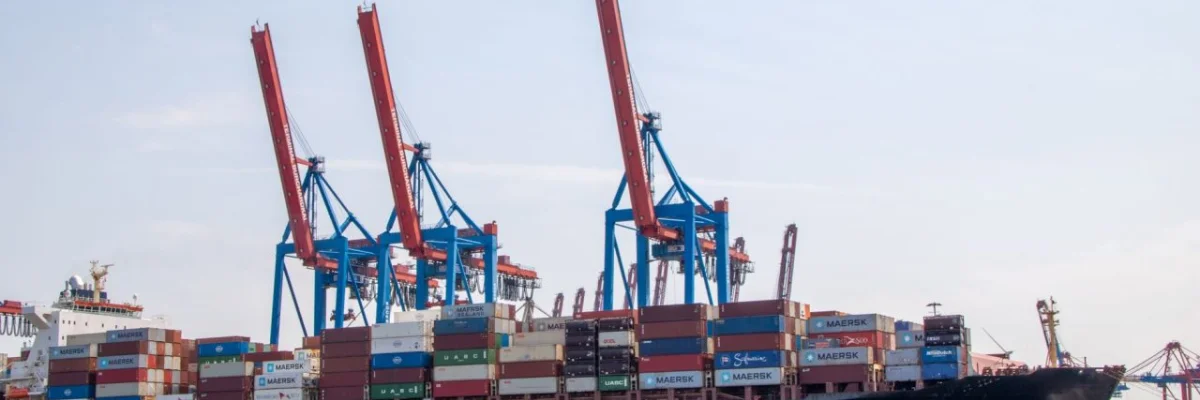
Modern freight forwarding requires precision and speed to remain competitive in a volatile global market. As logistics networks grow more complex, manual processes often lead to bottlenecks that hamper operational success and client satisfaction. By embracing cloud-based platforms, forwarders can gain real-time visibility and streamline communication across every stakeholder in the supply chain. This shift towards digital transformation is no longer optional for businesses aiming to scale effectively. Forwarders who prioritize technological integration will discover they can handle higher cargo volumes while maintaining superior service standards, effectively turning logistical complexity into a distinct operational advantage for their growing company.
Leveraging Real-Time Tracking
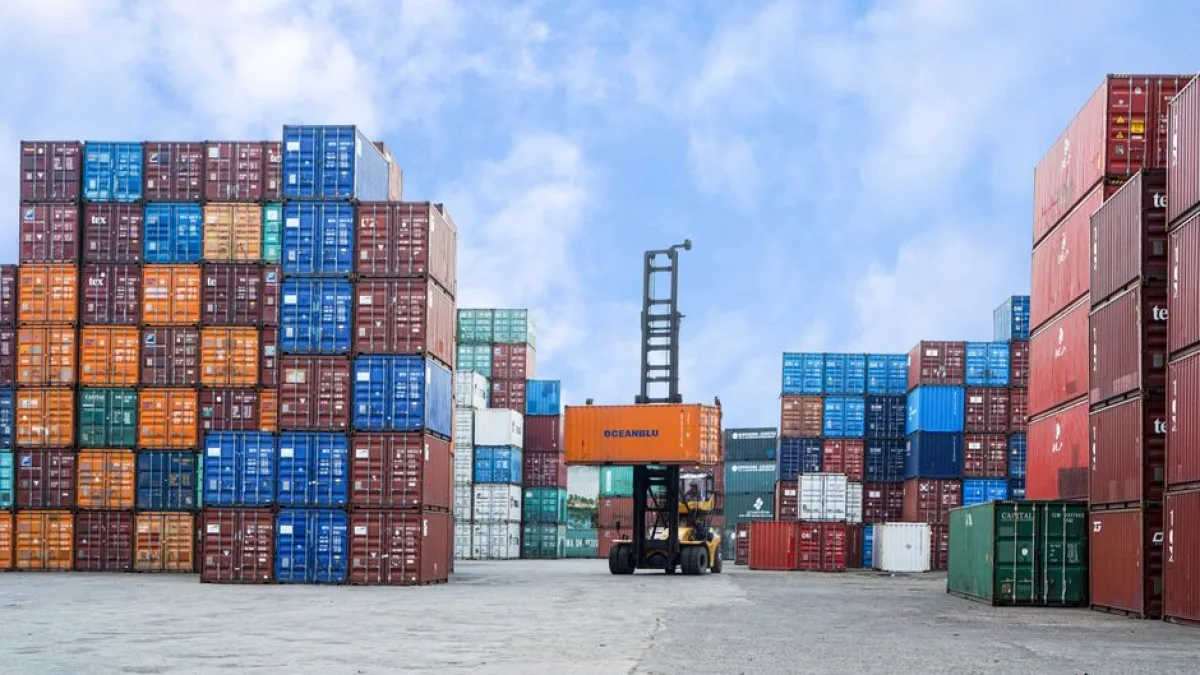
Integrating live tracking technology allows logistics teams to monitor shipments with unparalleled accuracy. By providing clients with instant updates, companies build trust while reducing the administrative burden of fielding constant status inquiries during peak shipping periods and unexpected transit delays.
- Enhanced Visibility Levels: Real-time tracking provides a transparent view of cargo movement across various transit points, allowing teams to proactively address potential delays before they become major issues.
- Improved Client Communication: Automated status notifications keep customers informed throughout the shipping lifecycle, significantly reducing the volume of manual email exchanges handled by your support staff daily.
- Data Driven Decisions: Accessing granular shipment data helps managers identify consistent bottlenecks in specific lanes, enabling them to refine routing strategies for better overall cost efficiency.
- Reduced Operational Risks: Precise monitoring minimizes the uncertainty surrounding high-value cargo, ensuring that stakeholders can intervene immediately if assets deviate from their planned route or schedule.
Adopting sophisticated tracking tools is essential for maintaining a competitive edge in today's fast-paced logistics environment. When you provide stakeholders with accurate data, you reduce the manual effort required to manage inquiries. This strategic move not only enhances the customer experience but also allows your internal teams to focus on high-value tasks that drive revenue and long-term business growth across your network.
Automating Documentation Processes

Paperwork remains a significant hurdle for many forwarders who still rely on legacy methods. Transitioning to automated documentation platforms drastically cuts down on errors while accelerating customs clearance procedures, ensuring that your shipments maintain compliance and avoid costly hold-ups at borders.
- Eliminating Manual Entry: Automating data extraction from invoices and packing lists prevents common human errors that often result in shipping delays or incorrect customs duty assessments.
- Compliance Management Tools: Integrated software solutions ensure all documentation meets local and international trade regulations automatically, minimizing the risk of fines and legal complications during transport.
- Centralized Document Storage: Keeping all shipping files in a secure cloud repository enables rapid retrieval, ensuring your team has instant access to critical records during audits.
- Faster Clearance Cycles: Digitized submission processes accelerate interactions with customs authorities, ensuring that your cargo moves through border checkpoints with minimal interference or unnecessary waiting periods.
By automating the document lifecycle, forwarders save countless hours previously lost to repetitive administrative tasks. This transition enhances accuracy and fosters better relationships with customs brokers and regulatory authorities alike. As your digital repository grows, the ability to retrieve information quickly becomes a cornerstone of your operational resilience, allowing you to manage complex documentation requirements with ease and consistent professional precision.
Strategic Vendor Management

Effective collaboration with carriers and agents is fundamental to reliable service delivery. Building a digital ecosystem where partners share data seamlessly ensures that your supply chain remains fluid and responsive to the frequent changes inherent in international freight shipping operations.
- Standardized Partner Portals: Utilizing unified platforms allows third-party agents to submit updates and documents in a standardized format, significantly reducing the chaos of scattered information sources.
- Performance Monitoring Metrics: Tracking the reliability of your carrier partners helps you select the best vendors for specific lanes, improving overall shipment success rates consistently.
- Collaborative Communication Hubs: Centralized chat and project tools eliminate fragmented email chains, ensuring that every participant in the shipping process understands their current role and responsibilities.
- Scalable Vendor Networks: Cloud solutions allow for easy onboarding of new partners, enabling your company to expand into new markets without needing extensive additional administrative overhead.
Strong vendor relationships are built on transparency and efficient data exchange. When all parties interact through a single platform, the clarity gained prevents miscommunications and strengthens service quality. Investing in tools that foster this collaborative spirit will ensure your logistics business remains agile, allowing you to pivot quickly when market conditions shift or capacity constraints arise in your primary shipping routes.
Scaling Through Cloud Integration

Moving your operations to the cloud provides the flexibility needed to handle fluctuating demand without increasing your fixed costs. Scalable software platforms ensure your infrastructure can grow alongside your client base, maintaining high performance during periods of intense industry growth.
- Flexible Resource Allocation: Cloud infrastructure allows forwarders to adjust their capacity on demand, ensuring that software performance remains stable even during unexpected spikes in cargo volume.
- Global Accessibility Features: Secure remote access allows your team to manage complex logistics operations from anywhere, facilitating a flexible work environment that attracts global talent.
- Continuous System Updates: Cloud-based software receives regular updates automatically, ensuring your team always has access to the latest features and security patches without manual intervention.
- Robust Data Security: Enterprise-grade encryption protects your sensitive shipment information from cyber threats, providing peace of mind for both your organization and your loyal shipping clients.
Embracing a cloud-first strategy is a pivotal step toward future-proofing your freight forwarding business. The ability to scale operations effortlessly provides a massive advantage over competitors still tethered to restrictive local servers. By choosing reliable cloud technology, you set your company on a path toward sustainable expansion, ensuring that your operational efficiency remains high regardless of how large your global reach grows.
Conclusion

Optimizing your freight forwarding business requires a blend of smart technology and efficient workflows. By adopting automation, improving transparency, and embracing the cloud, you position your firm for long-term success. Evaluate your current processes today and start integrating these best practices to boost productivity. MakeCargo provides the tools you need to streamline operations and deliver exceptional results to your clients every time.