Optimizing Freight Forwarding Efficiency for Modern Logistics
Thursday, August 6 2026

The global logistics landscape is undergoing a rapid digital transformation that demands agility and precision from every freight forwarder. As client expectations for real-time visibility and automated processing continue to rise, professionals must adapt by leveraging cloud-based technology to reduce manual friction. By centralizing operations and standardizing data workflows, firms can eliminate costly bottlenecks and improve overall service reliability. This shift not only enhances operational margins but also builds long-term trust with global partners. Success in today's market requires a strategic balance between maintaining high-touch human expertise and adopting robust software solutions that drive sustainable, scalable business growth across all international trade routes.
Digital Workflow Automation

Modern digital tools enable teams to transition away from manual data entry tasks toward automated workflows that reduce human error. By integrating automated document processing, companies can achieve higher throughput while maintaining superior data accuracy throughout the entire shipping lifecycle.
- Eliminate manual entry: Automating repetitive data entry tasks allows your team to focus on high-value client relations and complex problem-solving rather than wasting time on tedious keyboard work.
- Standardize document flows: Creating uniform digital templates for bills of lading and commercial invoices ensures that your team handles paperwork consistently, preventing delays at critical border crossings.
- Centralize team communication: Using cloud platforms keeps all internal and external communication in one accessible hub, reducing the need for endless email threads and scattered project files.
- Real-time data synchronization: Automatically updating shipping statuses across your platform ensures that every stakeholder views the same accurate information, minimizing confusion during fast-paced global logistics operations.
Adopting these automated workflows is essential for scaling operations effectively without proportional increases in staffing costs. By removing the burden of manual administrative tasks, your staff can dedicate their full attention to strategic planning and complex logistics coordination. This shift leads to improved client satisfaction and higher employee retention, ensuring your firm remains competitive in an increasingly digitized global freight market environment today.
Mastering Inventory Visibility
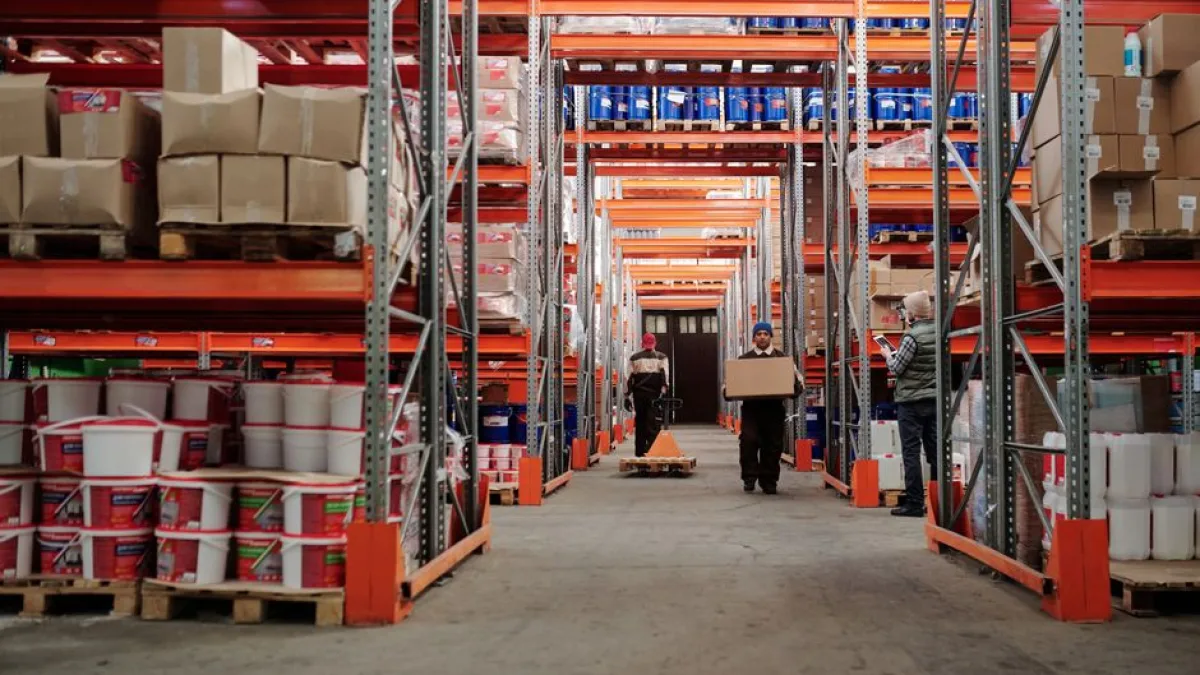
Real-time visibility acts as the backbone of modern freight forwarding services, allowing providers to track shipments across complex supply chains with total transparency. Advanced tracking systems enable proactive communication during transit delays, providing clients with peace of mind and data-backed certainty.
- Proactive shipment tracking: Providing live updates on cargo location empowers your clients to manage their own inventories more effectively, which builds significant trust and loyalty for your brand.
- Alerts for delays: Setting up automated notifications for route disruptions allows your team to mitigate risks early, often identifying solutions before the client even realizes a problem exists.
- Enhanced cargo security: Utilizing digital tracking tools provides a detailed audit trail for every transit stage, ensuring that accountability remains high throughout the entire global shipping chain.
- Data driven insights: Aggregated tracking data helps you analyze route performance over time, allowing your firm to identify and eliminate underperforming carriers from your primary vendor list.
Investing in visibility tools transforms your freight forwarding business into a reliable partner that prioritizes client success. When customers receive accurate status reports automatically, they save precious time and reduce their own operational stress. This proactive service model differentiates your firm from traditional competitors, helping you win more contracts and maintain long-term, profitable relationships with international shippers of all sizes.
Managing Carrier Relationships
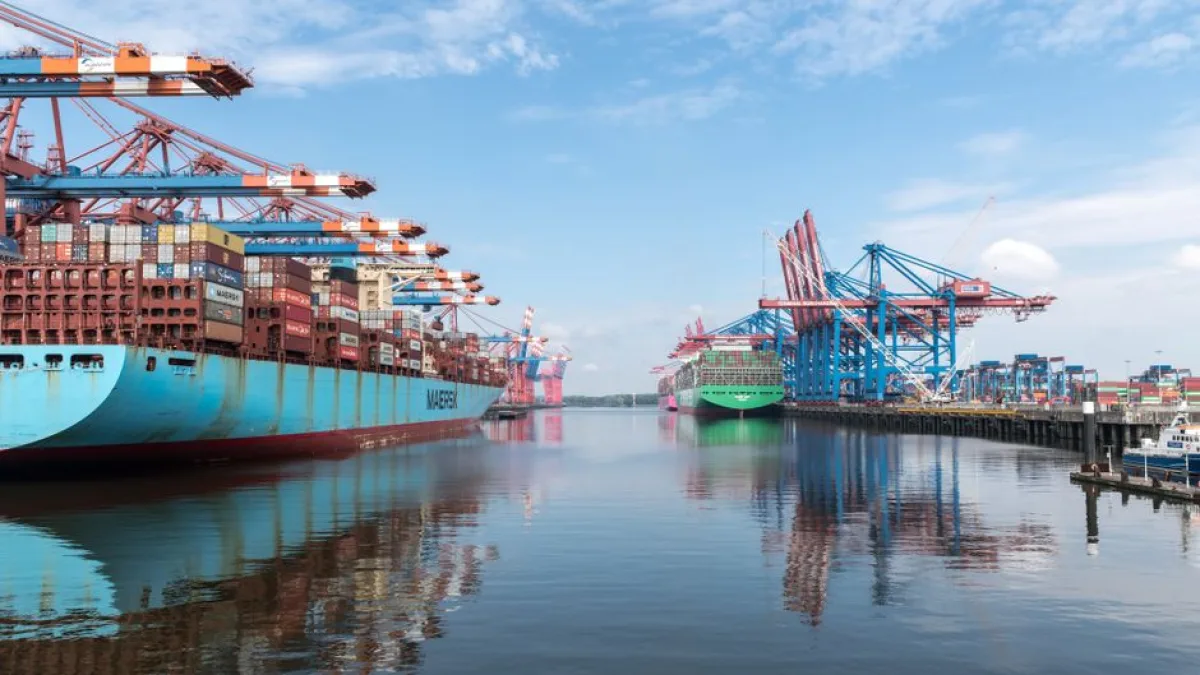
Building strong connections with shipping lines and trucking fleets is vital for securing competitive rates and reliable capacity during high-demand peak seasons. Maintaining professional rapport through data transparency ensures that you remain a preferred partner when equipment availability becomes extremely limited globally.
- Transparent performance reviews: Sharing performance data with your carriers encourages them to improve service levels, as they see the direct impact of their work on your logistics operations.
- Streamlined booking processes: Using integrated digital platforms to request quotes and manage bookings helps carriers process your requests faster, improving your priority during intense shipping surges.
- Consistent volume forecasting: Providing accurate volume projections to your carriers helps them plan their own assets better, often leading to better price stability and equipment access for you.
- Collaborative problem solving: When both parties have access to the same shipment data, it becomes much easier to resolve disputes regarding fees or cargo issues quickly.
The strength of your network determines your resilience during global market fluctuations and unforeseen trade disruptions. By leveraging digital platforms to maintain high-quality communication with your carriers, you secure a distinct advantage in service speed and cost effectiveness. Consistent collaboration, supported by shared digital workflows, fosters a culture of reliability that keeps your business moving forward even when global trade conditions become complex.
Prioritizing Cyber Security

Protecting sensitive shipping documentation and client data is non-negotiable in an era where digital threats pose risks to operational stability and corporate reputation. Implementing robust security protocols keeps your logistics data safe from unauthorized access while maintaining compliance with international privacy regulations across various global jurisdictions.
- Enforce user permissions: Restricting system access to necessary personnel prevents accidental data leaks, ensuring that sensitive information remains secure throughout the entire freight forwarding document management process daily.
- Encrypt sensitive transmissions: Using end-to-end encryption for all digital documentation ensures that private client details are never exposed to external threats during transfer across the public internet.
- Regular security audits: Conducting routine checks on your software and network configurations helps identify potential vulnerabilities before they can be exploited by malicious actors seeking private data.
- Staff training programs: Regular education about phishing attempts and secure login practices empowers your employees to become the first line of defense for your digital logistics infrastructure.
Security is not just a technical requirement but a core component of your customer service promise. By implementing stringent protocols today, you protect the reputation of your business and ensure total compliance with industry standards. Clients demand total assurance that their proprietary supply chain data remains confidential and secure, making your commitment to cyber security a strong selling point for your firm.
Conclusion

Optimizing your freight forwarding business requires a blend of innovative software solutions and disciplined operational practices. By prioritizing automation, visibility, and secure data management, your firm can navigate the challenges of global trade with confidence. Start refining your digital strategy today to improve efficiency and scale your growth. MakeCargo provides the essential tools needed to transform your logistics operations into a competitive and streamlined success.