Optimizing Freight Forwarding Efficiency Through Modern Technology
Friday, August 7 2026

The global logistics landscape is undergoing a massive transformation driven by digitalization and the demand for real-time visibility. For freight forwarders, the pressure to maintain operational excellence while managing complex supply chains has never been higher. Transitioning from legacy manual systems to cloud-based platforms is no longer a luxury but a strategic necessity for survival. By automating repetitive tasks, freight forwarders can reduce errors, enhance customer satisfaction, and focus on high-value activities that drive long-term business growth. This article explores essential practices to help your logistics firm stay competitive, agile, and profitable in an increasingly volatile and fast-paced market.
Embracing Cloud Integration

Digital transformation starts with centralizing your data within a robust cloud infrastructure. By migrating away from fragmented legacy software, your team gains a unified view of shipments that fosters seamless collaboration across different departments and global offices simultaneously.
- Unified Data Access: Centralizing your shipment information on a single cloud platform ensures that every team member views the same real-time data, reducing communication delays and costly errors.
- Enhanced Scalability Options: Cloud platforms allow your logistics business to expand operations quickly without the need for significant hardware investments or complex server maintenance schedules during periods of growth.
- Secure Information Storage: Protecting sensitive client documentation is vital in the modern era, and cloud providers offer advanced encryption standards that far exceed traditional on-site server security capabilities.
- Seamless Team Collaboration: Real-time updates mean that employees located in different time zones can work on the same file versions, drastically improving response times for your international clients.
Adopting a cloud-first approach allows your company to pivot quickly when market conditions shift unexpectedly. By eliminating the reliance on physical office infrastructure, your team gains the flexibility required to manage global operations from any location. This transition ultimately reduces overhead costs and improves the accuracy of every document processed. Investing in the right technology foundation today will position your firm for future success.
Automating Documentation Workflows

Manual data entry is a significant drain on productivity and a frequent source of human error. Automating your documentation processes allows your staff to focus on critical exceptions rather than mundane paperwork that consumes valuable time and resources daily.
- Reduced Data Errors: Automated extraction tools pull information directly from commercial invoices, drastically minimizing the risks associated with manual typing and incorrect shipment classification in your software.
- Faster Processing Times: Digital workflows ensure that your essential shipping documents move through internal approval gates instantly, allowing for rapid processing of customs declarations and billings.
- Template Management Tools: Standardized document templates prevent inconsistencies across your client files, ensuring that every submission meets international shipping regulations and helps avoid potential delays at ports.
- Automatic Status Alerts: Automated triggers notify your operations team as soon as a document is generated, keeping everyone informed of progress without needing constant manual status check-ins.
Efficient document management acts as the backbone of every successful freight forwarding operation. By removing repetitive manual tasks, you empower your employees to concentrate on providing personalized service to your logistics clients. This change reduces the stress of high-volume periods and creates a consistent experience that builds long-term trust. Efficiency gains are immediate when you prioritize digital automation over traditional paper-based workflows.
Enhancing Real-Time Visibility
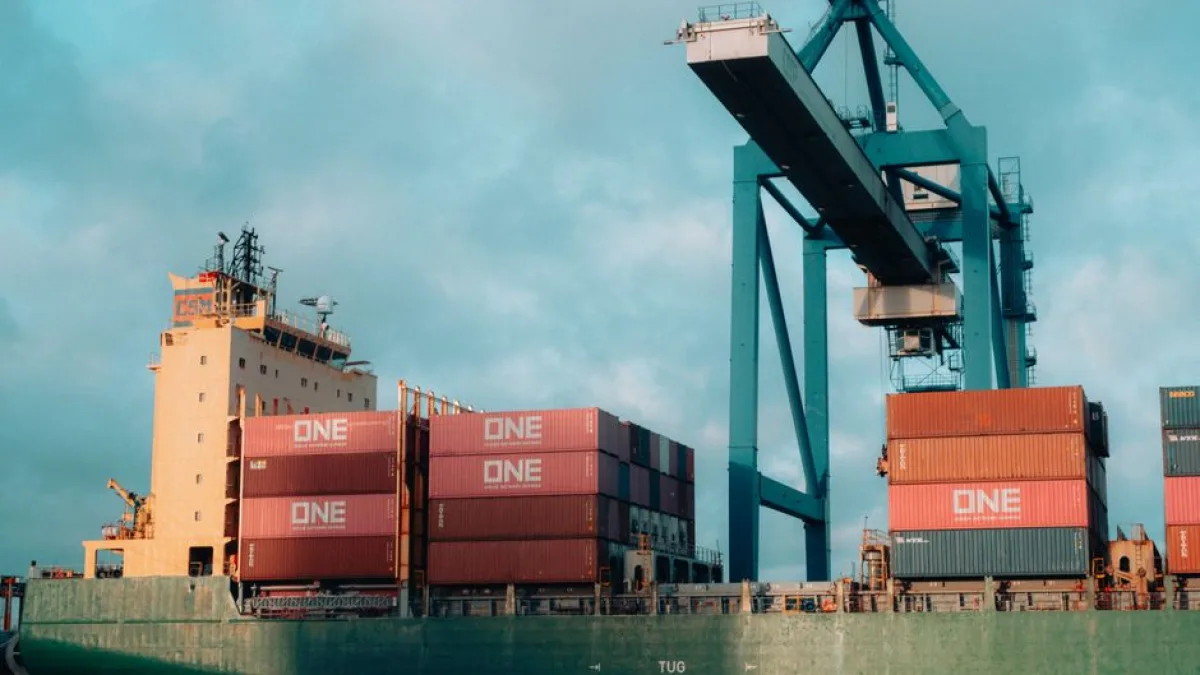
Providing clients with accurate shipment status updates is the most effective way to improve retention. Customers demand transparency throughout the journey, and modern technology provides the tools to deliver precise information without the burden of constant manual reporting.
- Customer Tracking Portals: Providing a dedicated portal for clients allows them to track their shipments independently, which significantly reduces the volume of status update inquiries for staff.
- Proactive Incident Reporting: Advanced systems detect delays early and notify both your operations team and the customer, allowing for quick adjustments to routes or delivery schedules accordingly.
- Integrated Carrier Tracking: Linking your software with carrier APIs ensures that tracking data is pulled automatically into your platform, keeping client records current without any manual input.
- Predictive Analytics Capability: Utilizing historical data insights helps you anticipate potential bottlenecks in the supply chain, enabling you to advise clients on better routing options before issues occur.
Transparency is the gold standard in the competitive logistics industry. By giving customers immediate access to their shipment data, you demonstrate professionalism and reliability that sets your firm apart from the competition. Reducing the time spent answering status emails frees your team for complex problem solving. Investing in visibility tools ensures that your clients feel supported and well-informed throughout the entire logistics process.
Optimizing Financial Operations

Financial health depends on accurate billing and rapid invoicing cycles. Streamlining your accounting through integrated freight software ensures that you capture every charge correctly while maintaining healthy cash flow throughout the entire fiscal year of your logistics business.
- Automated Invoice Generation: Creating invoices based on actual shipment costs ensures accuracy, preventing the common issue of missed charges that can severely impact your bottom line over time.
- Centralized Billing Records: Maintaining all financial interactions within the freight platform makes auditing and end-of-month reconciliation much faster, reducing the time your finance team spends organizing data.
- Currency Management Features: Handling international freight often involves multiple currencies, and built-in conversion tools help you maintain accurate profit margins despite fluctuating global market exchange rates daily.
- Faster Payment Processing: Digital invoicing systems allow for integrated payment gateways, which encourage clients to settle their balances quickly through secure, automated online payment methods every time.
Healthy cash flow is the lifeblood of any successful freight forwarding organization. By automating the billing process, you eliminate discrepancies and ensure that your revenue recognition matches your operational output. Strong financial controls provide the stability needed to invest in new services and market expansion. Master your financial workflows today to ensure your company remains profitable and resilient in a changing global economy.
Conclusion

Mastering freight forwarding requires a commitment to continuous improvement and the strategic adoption of modern technology tools. By focusing on cloud integration, automated workflows, transparency, and financial discipline, your firm can achieve operational excellence. Start your digital transformation journey today to ensure your business remains competitive. Empower your team with the right software to deliver exceptional logistics experiences for every single client.