Optimizing Freight Forwarding Efficiency Through Digital Transformation
Thursday, August 13 2026
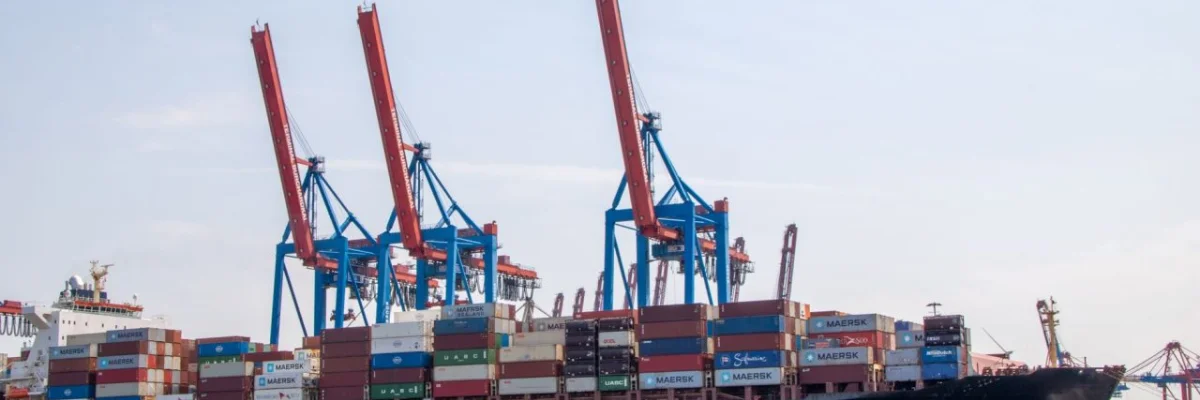
Modern freight forwarding requires a delicate balance between rapid communication and rigorous operational precision. As global supply chains grow increasingly complex, professionals must move beyond manual spreadsheets to remain competitive. Technology acts as the backbone for scaling operations, reducing human error, and providing transparent tracking for every stakeholder involved in the transport lifecycle. By embracing cloud-based platforms, forwarders gain the agility needed to handle disruptions while simultaneously enhancing client satisfaction. This shift towards digitization is not merely a modern convenience but a fundamental requirement for those aiming to achieve long-term growth and operational excellence in a volatile global market.
Streamlining Documentation Workflows

Manual data entry often serves as the primary bottleneck for logistics teams, leading to costly errors and delays. By digitizing paperwork, companies can automate routine tasks and ensure that critical customs declarations are accurate, compliant, and processed within record time frames.
- Automated Data Entry: Implement intelligent software tools that extract information from invoices and bills of lading to minimize repetitive typing tasks while significantly reducing potential human input errors daily.
- Compliance Tracking Systems: Utilize digital verification tools that cross-reference shipment details against international trade regulations to ensure all legal documentation meets strict standards before departing the port facility.
- Centralized Document Storage: Maintain a secure cloud repository where team members access files instantly from any location, eliminating the need for physical filing cabinets or insecure email attachments.
- Version Control Protocols: Establish strict digital workflows that track changes to shipment records in real time to prevent communication gaps between the operations team and external agents.
- Electronic Signature Integration: Adopt trusted e-signature platforms that speed up the approval process for contracts and commercial invoices while maintaining a legally binding audit trail for all.
Transforming document management into a digital asset allows teams to focus on strategy rather than clerical maintenance. When information flows seamlessly through an integrated platform, your staff can respond to inquiries with confidence and precision. This upgrade reduces overhead costs and eliminates the frustration associated with lost documents, ultimately creating a reliable foundation for scaling your shipping operations across new global trade lanes.
Leveraging Real Time Analytics
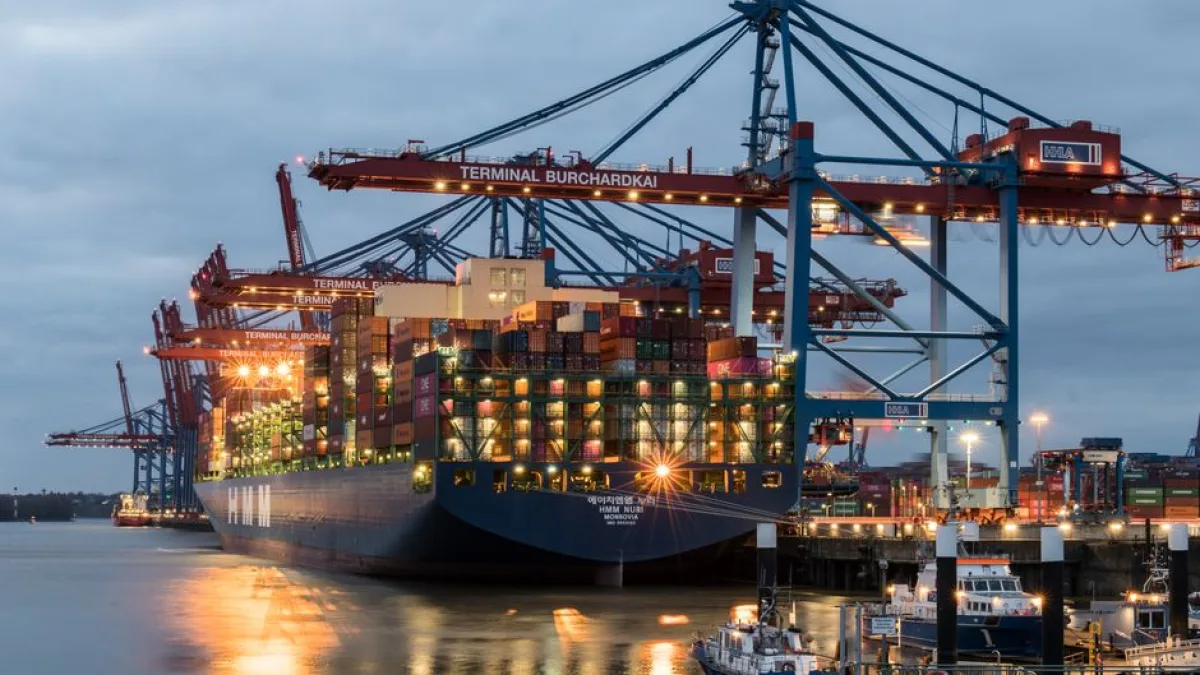
Data is a powerful asset when transformed into actionable insights that guide daily business decisions. Monitoring key performance indicators allows managers to pinpoint bottlenecks, evaluate carrier performance, and allocate resources more effectively to maximize profitability across all active shipping routes.
- Performance KPI Dashboards: Visualize critical metrics such as transit times and carrier reliability to identify trends that impact your bottom line and overall customer service quality standards.
- Route Optimization Tools: Analyze historical data to select the most efficient shipping lanes that reduce fuel consumption and decrease the total cost of goods sold monthly.
- Carrier Scorecard Reporting: Rate third party logistics partners based on empirical evidence regarding punctuality and damage rates to foster better negotiations for future long term contracts.
- Resource Allocation Strategy: Use predictive analytics to forecast busy seasons and adjust staffing levels accordingly to maintain high service standards during peak volume periods of year.
- Financial Profitability Tracking: Monitor margins per shipment in real time to detect underperforming lanes and adjust pricing strategies to ensure consistent healthy returns on every job.
Integrating analytics into your daily routine provides a distinct competitive edge in the freight sector. By moving from reactive problem solving to proactive strategy, you empower your team to anticipate market shifts before they affect your bottom line. Investing in robust data tools ensures that your business decisions are based on accurate performance metrics rather than simple guesswork or outdated industry assumptions.
Enhancing Customer Communication Portals

Providing clients with direct access to shipment information reduces the volume of status inquiries handled by your staff. Modern portals offer transparency that builds trust and loyalty, positioning your brand as a reliable partner in a fast paced global economy.
- Self Service Tracking: Empower clients to monitor their cargo status 24 hours a day through a secure online portal which reduces administrative burdens on your operations team.
- Automated Status Alerts: Send proactive notifications via email or text whenever a shipment reaches a major milestone to keep stakeholders informed without constant manual follow up.
- Secure Message Centers: Facilitate clear communication within the platform to keep all shipping correspondence in one place rather than getting lost in cluttered and fragmented inboxes.
- Document Sharing Capability: Allow customers to download invoices and proof of delivery receipts directly from the dashboard to simplify their own internal accounting and records.
- Feedback Collection Loops: Incorporate survey tools directly into the portal to gather valuable client insights that can help your firm improve service levels and overall satisfaction.
Transparent communication is the cornerstone of a successful logistics partnership. By leveraging a client portal, you demonstrate professional commitment while freeing up your team to focus on complex logistical challenges. This approach not only improves the client experience but also establishes your brand as a tech savvy leader in the industry. Reliability and accessibility are key to securing repeat business and referrals.
Integrating Freight Software Ecosystems

Connectivity between various software tools prevents information silos that hinder growth. An open API approach ensures that your freight platform communicates flawlessly with accounting, warehouse management, and CRM systems to provide a unified source of truth for your entire organization.
- Seamless API Integration: Link your freight software with existing accounting platforms to automate billing cycles and improve cash flow management through faster invoicing and payment reconciliation processes.
- Unified Data Pipelines: Synchronize information across disparate systems so that every department views the same shipment details to ensure total consistency throughout the logistics service chain.
- Scalable System Infrastructure: Choose modular software solutions that grow with your company by allowing you to add new features or integrations as your operational needs evolve.
- Enhanced Security Protocols: Use cloud platforms with enterprise grade encryption to protect sensitive trade data while ensuring authorized users have safe access from any remote location.
- Standardized Data Exchange: Implement industry standard data formats to streamline communications with shipping lines and customs authorities, reducing the complexity of manual data translation work daily.
A well connected technology ecosystem is vital for modern freight forwarders who want to scale efficiently. When your systems speak to one another, you eliminate the risk of duplicate data entry and improve overall organizational agility. Focusing on connectivity ensures your operations remain fluid and responsive, allowing your business to maintain a high standard of productivity as you expand into new markets.
Conclusion

Mastering modern freight forwarding demands a commitment to digital tools that prioritize efficiency and transparency. By optimizing documentation, leveraging analytics, improving client portals, and integrating software ecosystems, forwarders can significantly enhance their operations. Embrace these strategies today to build a resilient business that thrives in the competitive global market. Your dedication to technological progress will define your success in the evolving logistics landscape.