Optimizing Freight Forwarding Efficiency in the Digital Era
Tuesday, August 18 2026
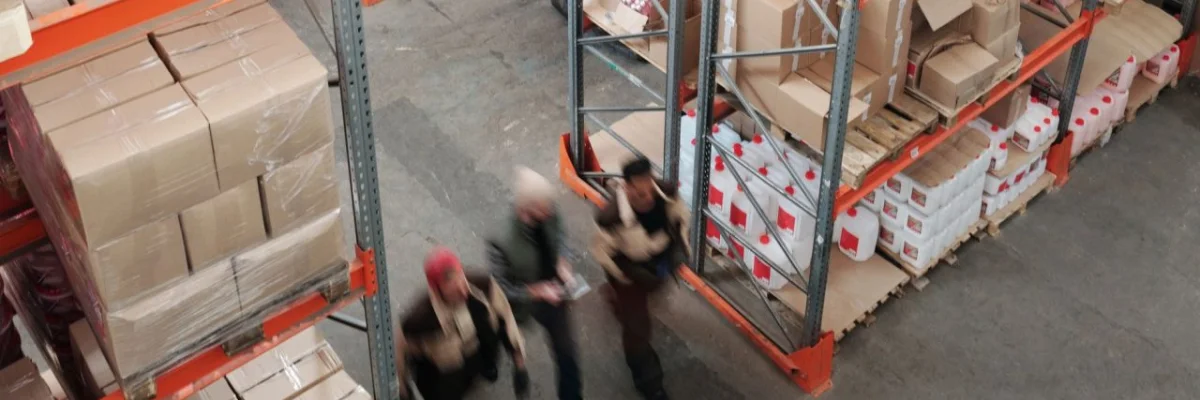
Modern freight forwarding is undergoing a rapid digital transformation that demands agility and precision from logistics providers everywhere. As global supply chains grow increasingly complex, professionals must leverage advanced technology to remain competitive while meeting rising customer expectations for real-time visibility. Moving away from legacy paper-based systems is no longer optional for firms aiming to scale operations effectively. By integrating cloud-based software solutions, forwarders can automate tedious manual processes, reduce costly human errors, and foster better collaboration with carriers. Embracing these technological shifts empowers logistics experts to focus on strategic growth rather than getting stuck in repetitive administrative work cycles.
Streamlining Document Management

Effective document management forms the backbone of successful freight forwarding operations by ensuring that every shipment moves without regulatory hurdles. Digital repositories reduce search times and enhance accuracy across all your international shipping operations.
- Centralized Cloud Storage: Maintain a single source of truth by hosting all shipment documents in a secure cloud environment that allows authorized team members to access critical files instantly.
- Automated Data Entry: Utilize smart extraction tools to pull information directly from commercial invoices and packing lists to eliminate the need for manual typing into your core systems.
- Version Control Systems: Ensure your entire team works on the most recent iteration of customs documents by implementing strict version control protocols that track every single edit made.
- Enhanced Compliance Tracking: Automatically flag missing mandatory certifications or outdated trade documents before they reach customs officials to prevent expensive delays and shipment holds at global ports.
- Encrypted File Sharing: Protect sensitive client data and proprietary trade information by using high-level encryption standards during file transfers between your office and various global shipping partners.
Adopting a robust digital document management strategy enables logistics teams to handle higher shipment volumes without a corresponding increase in overhead costs. By replacing scattered paper files with structured digital workflows, forwarders gain a clear competitive advantage in speed and reliability. Investing in these organizational tools today will significantly reduce your operational risks and help you build long-term trust with your demanding global clients.
Real-Time Shipment Tracking
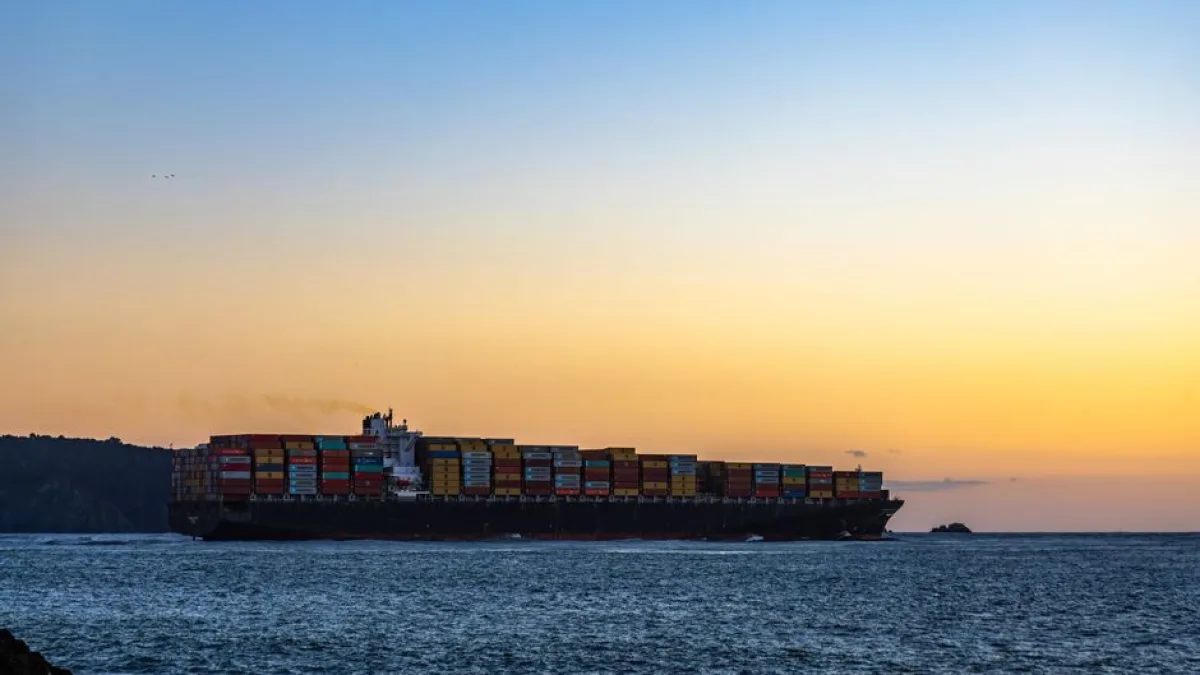
Providing clients with accurate shipment visibility is the cornerstone of modern logistics customer service. Integrating real-time tracking data helps proactive forwarders manage expectations while minimizing constant inquiries regarding status updates from anxious shippers who require constant cargo monitoring.
- Integrated API Feeds: Connect your software directly to carrier systems to receive live updates on vessel locations, arrival times, and departure schedules without manually refreshing every separate portal.
- Proactive Status Notifications: Configure your system to send automatic email or SMS alerts to customers whenever a milestone is reached or a significant delay impacts their cargo.
- Interactive Client Dashboards: Provide your customers with private access portals where they can view live maps and shipment progress reports at their own convenience without calling.
- Exception Management Alerts: Receive instant notifications when a shipment falls behind schedule so your logistics coordinators can initiate recovery plans before the client even realizes problems.
- Historical Data Analysis: Store tracking data to perform deep analysis on carrier performance and transit times, allowing you to optimize your routing choices for future freight shipments.
Delivering high-quality visibility transforms a standard shipping service into a premium logistics experience that keeps clients loyal for years. When you empower your customers with the ability to see their freight moving in real time, you effectively lower your internal administrative burden. This transparency reduces the frequency of update requests and allows your customer success teams to handle complex issues effectively.
Managing Carrier Relationships

Successful freight forwarding relies heavily on maintaining strong and productive relationships with a diverse network of international carriers. Consistent communication and transparent performance evaluations ensure that your freight moves efficiently through the most reliable channels available today.
- Digital Rate Management: Organize all carrier pricing in a searchable digital database that allows your team to compare quotes instantly and choose the best route options.
- Automated Performance Audits: Generate recurring reports that measure carrier reliability, transit speed, and damage rates to identify which partners consistently meet your high quality standards.
- Collaborative Booking Portals: Streamline the booking process by using shared digital spaces where carriers can confirm availability and provide updates directly into your forwarding software system.
- Standardized Communication Channels: Use unified messaging systems to keep all carrier discussions in one place, preventing important details from getting lost in multiple personal email threads.
- Dynamic Route Optimization: Leverage data from past shipments to negotiate better terms and select routes that minimize transit times while maximizing cost efficiency for your clients.
Cultivating a reliable network of carriers requires a mix of human relationship building and data-driven management. By keeping your carrier performance metrics transparent and accessible, you hold your partners accountable while identifying opportunities for mutual growth. This systematic approach to vendor management builds a resilient supply chain that can withstand global disruptions while consistently providing high value to your end customers.
Automating Financial Workflows

Managing complex financial workflows is often the most time-consuming part of a freight forwarder role. Automating invoicing, currency conversion, and payment reconciliation allows logistics companies to improve cash flow and reduce the risk of errors associated with manual bookkeeping processes.
- Automated Invoice Creation: Generate accurate freight invoices immediately upon shipment milestone completion using data synced directly from your operational platform to avoid manual entry mistakes and delays.
- Currency Conversion Tools: Handle multi-currency transactions with built-in conversion features that update exchange rates automatically to ensure your profit margins remain stable across all international shipments.
- Smart Payment Tracking: Monitor incoming and outgoing payments through an integrated dashboard that alerts you to overdue accounts so you can take prompt collection action immediately.
- Seamless Accounting Integration: Sync your forwarding software with standard accounting platforms to keep your financial records accurate without needing to perform redundant manual entries every day.
- Profit Margin Analysis: Track the profitability of every individual shipment by automatically calculating landed costs against the final billing amounts to identify low margin service areas.
Optimizing your financial operations provides the fiscal stability needed to scale your business and invest in new logistics technologies. Automation frees your accounting staff from repetitive data entry tasks, allowing them to focus on financial health and growth strategies. By ensuring your billing processes are fast and error-free, you maintain high client satisfaction while protecting your company from unnecessary cash flow delays.
Conclusion

Mastering freight forwarding requires a blend of technological adoption and consistent operational excellence. By focusing on digital document management, real-time tracking, strong carrier partnerships, and automated finances, you position your firm to outperform the competition. Embrace these best practices today to simplify your complex logistics workflows, enhance customer satisfaction, and drive long-term business growth across your entire global freight network operations.