Optimizing Freight Forwarding Efficiency in 2024
Wednesday, August 19 2026

Freight forwarding is undergoing a massive digital transformation that requires professionals to pivot away from manual processes toward integrated software solutions. As global supply chains face increasing complexity, the ability to manage documentation, tracking, and customer communication from a single platform is no longer just an advantage but a fundamental necessity for survival. Forwarders who embrace cloud technology gain significant visibility into their operations while reducing costly administrative errors. This article explores essential best practices designed to help you streamline your logistical workflows, enhance client satisfaction, and scale your business operations effectively in a rapidly shifting international market.
Digital Documentation Management

Transitioning to a paperless environment allows teams to access critical shipping documents from anywhere in the world instantly. By centralizing your files within a cloud-based system, you eliminate the risks of lost paperwork and significantly decrease processing times for customs clearance.
- Automated Data Entry: Implementing optical character recognition tools reduces human error by automatically extracting data from invoices and bills of lading into your centralized platform for instant review.
- Secure Cloud Storage: Utilizing encrypted cloud servers ensures that your sensitive client information remains protected while providing your team with secure and authorized access to files.
- Version Control Systems: Maintaining a single source of truth for all shipping documents prevents confusion caused by outdated versions of contracts or revised international shipping manifests.
- Instant Retrieval Features: Advanced search functionality allows staff to locate historical shipping data within seconds, which improves responsiveness during urgent client inquiries or complex customs audits.
Adopting these digital strategies ensures that your team remains agile during high-volume periods. When documents are managed effectively, the friction associated with manual entry disappears, allowing your staff to focus on high-value tasks such as exception management and long-term client relationship building. Modernizing your document workflow is the first step toward building a truly scalable and resilient freight forwarding business for the future.
Real Time Shipment Tracking
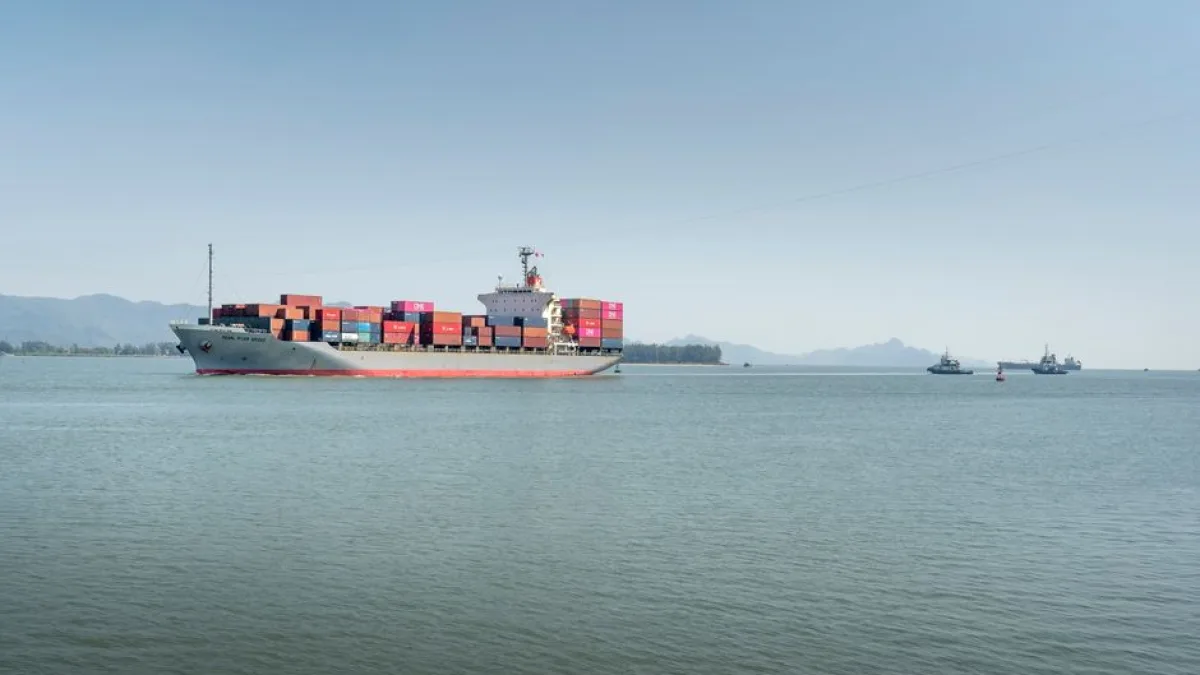
Providing customers with live updates on their cargo status has become the industry standard for competitive freight forwarders. Visibility platforms offer granular insights into transit milestones, helping you proactively communicate potential delays before they escalate into significant customer service problems.
- Live GPS Integration: Connecting your freight platform directly with carrier APIs provides your clients with accurate real-time data regarding the exact location of their sea or air freight.
- Proactive Milestone Alerts: Configuring automated notifications keeps your operations team updated on vessel arrivals or departures, allowing for better coordination with final mile trucking partners locally.
- Visual Mapping Dashboards: Interactive maps allow your staff to monitor global shipments across different time zones, making it easier to visualize supply chain bottlenecks as they occur.
- Customer Self-Service Portals: Enabling clients to view their own shipment statuses reduces the volume of repetitive status update requests that typically consume your team's valuable time.
Transparent communication builds lasting trust with your client base and distinguishes your brand from competitors who still rely on manual emails. By giving your customers the tools to track their freight independently, you empower them while freeing your staff to solve complex logistics challenges. Consistent, reliable data flows are the backbone of a successful modern freight business strategy in today's global economy.
Automated Financial Workflows

Managing invoices and vendor payments manually is a primary cause of cash flow stagnation in the logistics sector. Automated financial systems sync your shipping activities directly with your accounting software, ensuring that every cost is captured accurately and billed to the correct party.
- Seamless Invoice Generation: Automated systems create professional invoices based on shipment milestones, which reduces the time lag between service delivery and the actual payment collection cycle.
- Vendor Reconciliation Tools: Matching carrier costs against client billings automatically helps you identify discrepancies quickly, ensuring your profit margins remain protected on every single shipment processed.
- Currency Conversion Automation: Managing international freight requires handling multiple currencies, so integrated systems ensure that exchange rates are applied correctly to maintain accurate financial reporting standards.
- Late Payment Reminders: Scheduling automatic email reminders for outstanding invoices helps maintain a healthy cash flow and reduces the need for awkward manual follow ups with clients.
Optimizing your billing cycle directly impacts your bottom line and reduces administrative overhead. By removing manual financial reconciliation from your daily agenda, you gain the ability to analyze your business performance more effectively. Healthy financial processes are the engine that keeps your company running smoothly during market fluctuations and provide the capital necessary for future investments in new technology platforms.
Enhancing Customer Communication

Successful freight forwarding relies heavily on how effectively you communicate with partners and shippers. A unified communication platform keeps all stakeholders in the loop, ensuring that everyone has the same information during every stage of the international cargo transport process.
- Centralized Messaging Hubs: Keeping all emails and notes associated with a specific shipment in one location prevents important project details from being lost in crowded inboxes.
- Internal Task Assignment: Clearly defining roles and responsibilities within your software platform ensures that every team member knows their specific contribution to each shipping order today.
- Collaborative Document Sharing: Allowing clients to upload documents directly into the portal facilitates faster turnarounds and keeps all project-related assets accessible to the authorized internal team.
- Customized Reporting Tools: Generating performance reports for your key accounts helps you demonstrate value and identify opportunities for further optimization within their unique supply chains.
Effective communication is the differentiator that keeps clients loyal in a crowded marketplace. When you provide clear, concise, and timely updates through your integrated software, you position your firm as a professional partner rather than just another service provider. Fostering strong connections with your shippers is essential for long-term growth and creates a supportive network that thrives under professional collaboration.
Conclusion

Implementing these strategies will transform your freight forwarding operations and drive sustainable growth. By embracing automation, improving visibility, and streamlining your financial and communication processes, your firm can navigate the complexities of global trade with confidence. Start optimizing your digital infrastructure today to stay ahead of the competition. Contact the MakeCargo team to discover how our platform can elevate your logistics business performance.