Optimizing Freight Forwarding Efficiency Through Digital Transformation
Friday, August 21 2026
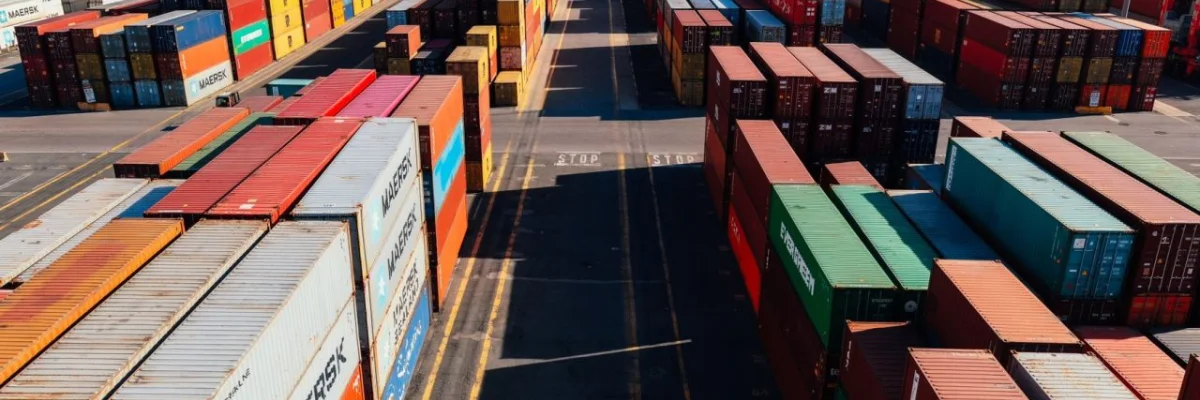
Modern freight forwarding faces unprecedented challenges from global supply chain volatility to rising customer demands for real-time visibility. Traditional manual processes and disconnected spreadsheets often hinder operational agility and lead to costly errors in documentation. As the logistics landscape shifts toward cloud-based ecosystems, forwarders must embrace digital transformation to maintain a competitive edge. By integrating advanced software solutions, logistics professionals can automate repetitive tasks, enhance collaborative communication between stakeholders, and secure a scalable foundation for future growth. Adopting a data-driven strategy today is the only way to navigate the complexities of international trade while consistently meeting strict delivery timelines.
Automated Workflow Integration

Automating your daily logistics workflows reduces manual data entry errors and accelerates document processing speeds significantly. When your team shifts from manual spreadsheets to cloud-based automation tools, operational transparency increases across every branch and international office location.
- Real-time data flow: Centralized digital platforms ensure that every shipment update is instantly visible to all relevant stakeholders, reducing the need for constant manual status update email requests.
- Automated document generation: Reduce administrative labor by leveraging intelligent systems that auto-populate standard shipping documents, bills of lading, and commercial invoices using existing cloud database shipment information.
- Reduced error rates: Eliminate common typos and clerical mistakes by utilizing validation rules within your software that flag inconsistent data before any official documentation is finalized or transmitted.
- Standardized internal processes: Create consistent operational standards across your organization by embedding SOPs directly into the software, ensuring every team member follows the same compliant procedure for shipments.
By removing the friction caused by manual data handling, your operations team can refocus their energy on strategic account management and complex problem solving. Automation is not just about speed; it is about building a foundation of reliability that clients value. As your business scales, these automated systems provide the necessary stability to manage increased cargo volumes without proportionally increasing your administrative headcount or stress.
Real-Time Cargo Visibility
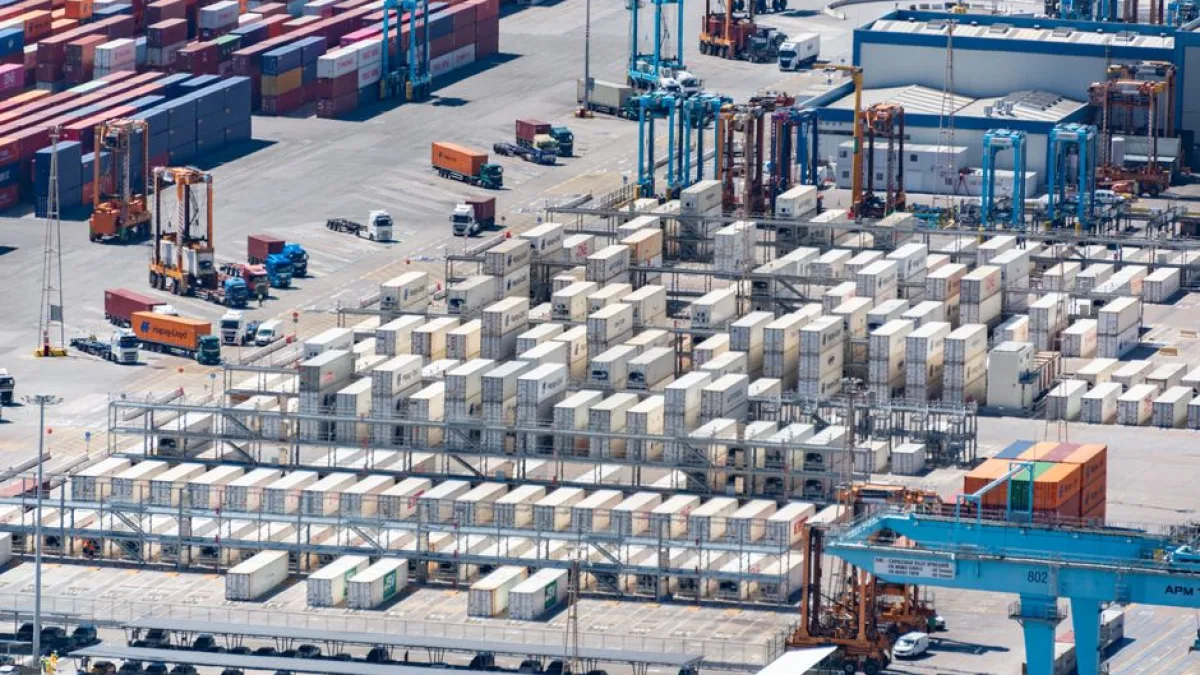
Customers today expect immediate insight into their cargo status from origin to final destination points. Providing live tracking data is no longer a luxury feature but a standard requirement for maintaining long-term partnerships and securing new freight contracts.
- Live tracking updates: Offer your clients peace of mind by providing automated, real-time status updates that track container movements directly through integrated carrier APIs and tracking data portals.
- Proactive exception management: Detect potential shipping delays or disruptions early by monitoring real-time logistics events, allowing your team to inform clients before issues escalate into serious problems.
- Client portal access: Empower your customers with a dedicated self-service portal where they can view shipment milestones, download essential documents, and access performance analytics on demand anytime.
- Enhanced shipment transparency: Boost professional credibility by maintaining a single source of truth for all tracking information, ensuring that internal staff and external clients see identical data.
Visible operations turn logistics into a competitive advantage for your firm. When your clients have access to precise, accurate information, they trust your services more deeply, leading to increased loyalty and repeat business. This level of clarity removes the anxiety associated with global trade, positioning your freight forwarding agency as a sophisticated partner that uses modern technology to ensure seamless transit experiences.
Data Analytics for Optimization

Data-driven decision making allows forwarders to identify hidden trends and cost-saving opportunities within their network operations. Analyzing historical performance metrics reveals which carriers, lanes, and services deliver the highest value while minimizing risk for your cargo shipping clients.
- Carrier performance metrics: Evaluate the reliability and transit times of your various shipping partners to ensure you are always selecting the best-performing options for your specific cargo.
- Profitability per lane: Identify your most lucrative trade lanes and understand the cost drivers behind lower-margin routes by leveraging comprehensive financial reports generated by your logistics software.
- Forecasting market demand: Use historical shipping data to predict seasonal volume fluctuations, enabling better resource allocation and proactive space booking with carriers during peak logistics industry shipping seasons.
- Operational bottleneck identification: pinpoint specific areas in your supply chain where delays frequently occur, allowing you to optimize internal processes and refine your overall service delivery approach.
Harnessing the power of your own operational data transforms your business from a reactive entity into a proactive market leader. With clear insights, you can negotiate better rates, improve your service reliability, and optimize your entire supply chain network for maximum profitability. This analytical approach ensures that every business decision is supported by cold, hard facts rather than simple guesswork or outdated assumptions.
Collaborative Supply Chain Networks
Successful freight forwarding relies heavily on seamless collaboration between agents, customs brokers, and transport carriers. Building a digitally connected network ensures that all parties operate from the same information, which significantly reduces the risk of miscommunication and costly shipping delays.
- Unified agent communication: Facilitate smooth handoffs by using integrated messaging and file-sharing tools that keep overseas agents and local partners aligned on specific cargo shipment requirements.
- Customs compliance integration: Streamline the clearance process by sharing verified documentation directly with brokers through a secure platform, ensuring regulatory standards are met before cargo reaches borders.
- Carrier partner connectivity: Establish direct digital links with trucking, air, and ocean carriers to improve communication, speed up booking confirmations, and refine the coordination of complex freight movements.
- Internal team alignment: Enable your sales, operations, and accounting teams to collaborate within one platform, ensuring everyone has access to the latest shipment details and financial status.
A connected network creates a unified ecosystem where information flows without barriers or delays. By investing in tools that promote collaboration, you foster stronger relationships with your partners and provide a more cohesive service for your end customers. This collaborative spirit defines the future of global logistics, where the most successful companies are those that best integrate their workflows with their global partners.
Conclusion
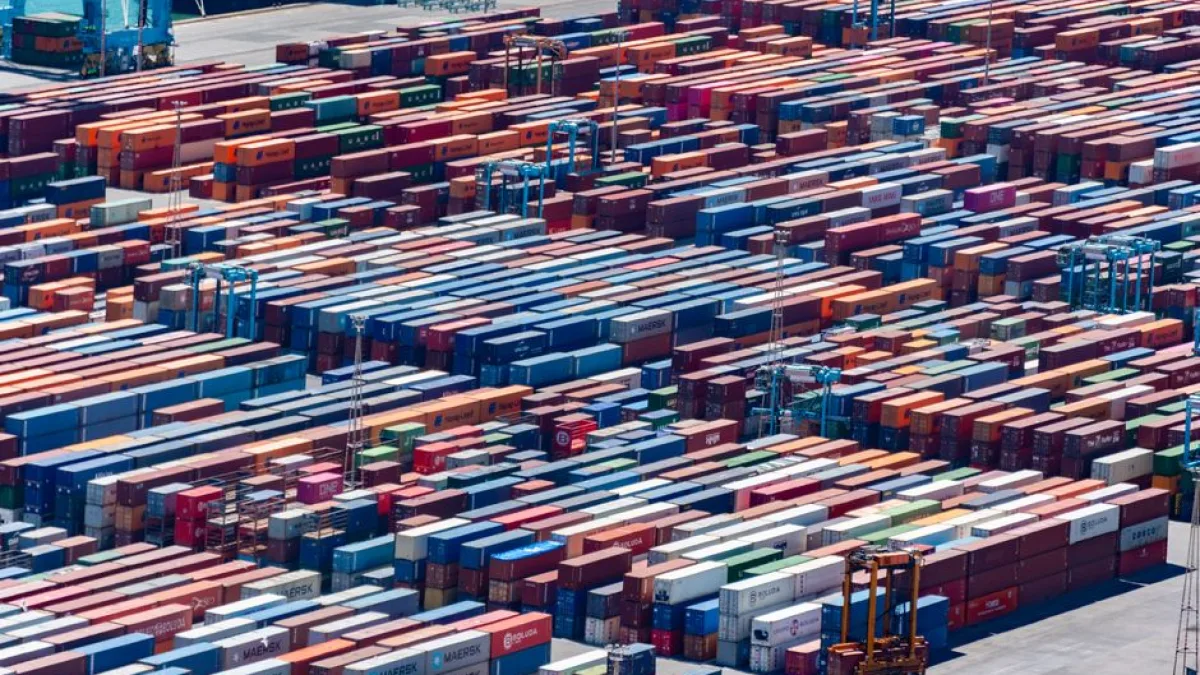
Digital transformation remains the most critical factor for modern freight forwarders seeking long-term success. By embracing automation, visibility, data analytics, and collaboration, your company can overcome traditional operational limitations and thrive in a competitive global market. Start integrating these advanced solutions today to modernize your freight operations and ensure you are delivering the highest level of service to your clients worldwide.