Optimizing Freight Forwarding Efficiency in the Digital Age
Monday, August 24 2026
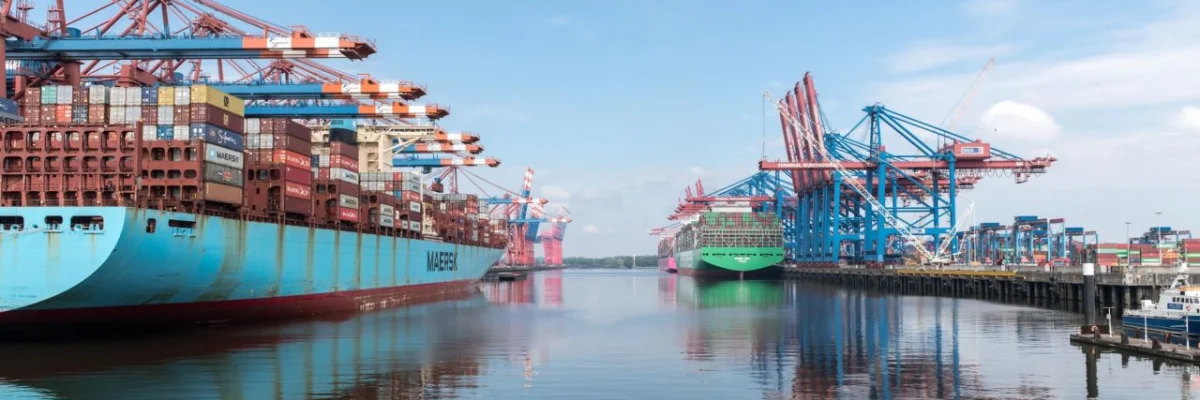
Modern freight forwarding is undergoing a rapid digital transformation that demands agility and precision from every logistics provider. With supply chains becoming increasingly complex, the ability to manage documentation, track shipments, and communicate with partners in real time has become the gold standard for operational excellence. Forwarders who adopt cloud-based technology platforms are successfully eliminating manual data entry errors while enhancing transparency for their clients. By embracing these strategic digital shifts, professionals can focus on delivering value-added services rather than getting bogged down in administrative tasks, ultimately securing a competitive advantage in an ever-evolving global trade landscape.
Streamlining Documentation Workflows

Digitizing your paperwork process is the most effective way to reduce overhead and prevent costly delays during customs clearance. Centralized digital document management ensures that every team member has access to the latest versions of bills of lading and invoices instantly.
- Automated Data Entry: Implementing optical character recognition tools allows your team to convert physical documents into digital formats automatically, saving hours of manual labor every single work week.
- Centralized Cloud Storage: Storing all shipment records in a secure cloud environment prevents data silos and ensures that authorized personnel can retrieve critical information from any location.
- Real-time Version Control: Ensuring that all stakeholders work from the most current document versions eliminates confusion and reduces the risk of errors caused by outdated shipping forms.
- Integrated Customs Filing: Connecting your documentation software directly to local customs authorities streamlines the filing process and accelerates the movement of goods through international border checkpoints.
By moving away from physical filing cabinets and email attachments, your organization can foster a more collaborative environment. This transition significantly lowers the risk of lost documents and improves response times for client inquiries. Investing in a robust digital ecosystem is no longer a luxury but a fundamental requirement for forwarders aiming to scale their operations while maintaining high accuracy in every single shipment.
Enhancing Real-time Shipment Tracking
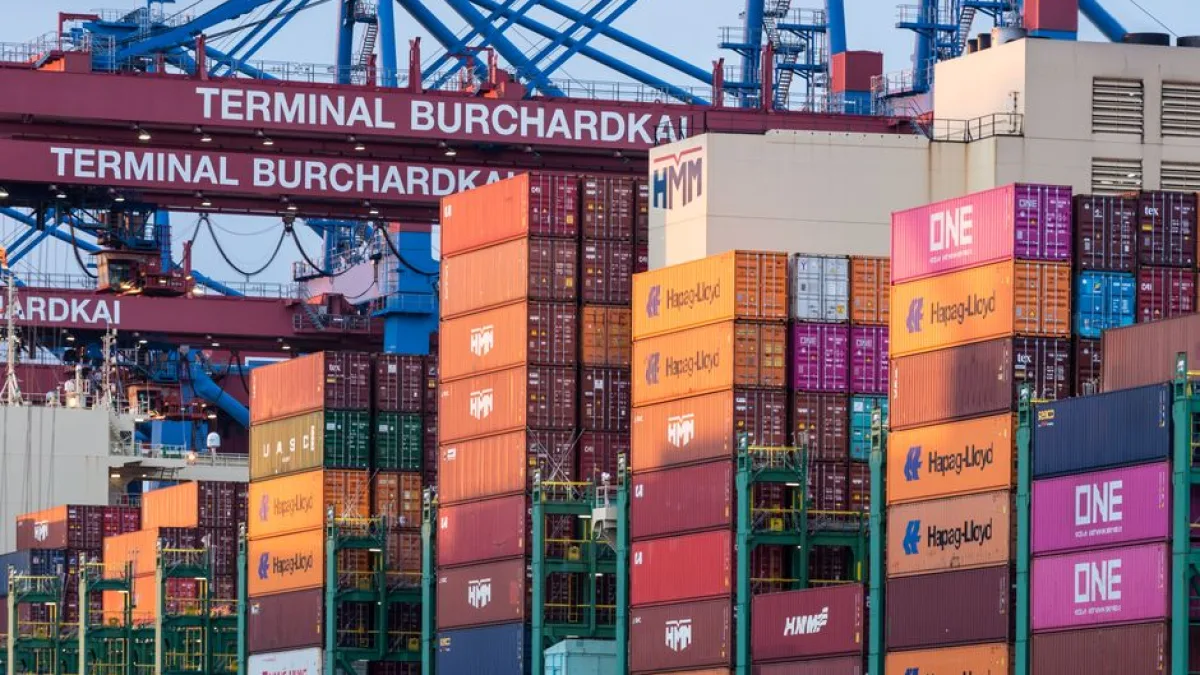
Providing clients with precise, real-time visibility into their supply chain is the primary expectation in today is market. Integrated tracking tools allow forwarders to monitor cargo locations and status updates across multiple global transit points simultaneously.
- Proactive Milestone Alerts: Setting up automated notifications for key transit milestones ensures that both your team and your clients stay informed about progress without constant manual checking.
- Carrier Data Integration: Connecting directly with major ocean and air carrier APIs provides accurate updates that reflect the actual location of cargo rather than estimated arrival dates.
- Interactive Client Portals: Allowing customers to view their own shipment progress via a secure web portal reduces the number of status update requests your team handles daily.
- Exception Management Features: Identifying potential delays or disruptions early enables your staff to take corrective actions before minor shipping issues turn into major supply chain bottlenecks.
Transparency builds trust and strengthens long-term relationships with your logistics partners. When clients see that you possess full control over the movement of their freight, they are more likely to commit to recurring service contracts. By leveraging sophisticated tracking capabilities, you position your agency as a reliable partner capable of navigating the unpredictable nature of global logistics with confidence and extreme technical precision.
Optimizing Partner Communication Channels

Effective communication is the backbone of efficient freight forwarding operations across various time zones and languages. Utilizing dedicated platforms for internal and external coordination helps clear up misunderstandings and keeps projects moving toward their final destination on time.
- Unified Messaging Systems: Replacing disjointed email threads with centralized messaging tools ensures that all communication regarding a specific shipment remains organized and accessible to all team members.
- Automated Status Updates: Configuring your system to send automatic emails to suppliers and consignees keeps all parties updated without requiring your team to draft manual correspondence.
- Internal Task Assignment: Using digital task management features allows managers to assign responsibilities clearly, ensuring that no shipment detail or client requirement slips through the cracks today.
- Multi-language Support Tools: Incorporating translation capabilities into your platform facilitates smooth interactions with international agents and overseas partners, bridging the gap between different global business cultures.
Centralizing your communication efforts creates an audit trail that is essential for resolving disputes and reviewing past performance metrics. This systematic approach saves your team from wasting time digging through cluttered inbox folders to find critical instructions. By prioritizing clear and automated communication paths, your forwarder business will experience smoother operations and fewer misunderstandings between the many parties involved in complex global shipping.
Leveraging Data for Strategic Growth

Analyzing shipment data provides deep insights into your operational performance and helps identify areas for potential cost savings. Forwarders who prioritize data-driven decision-making can optimize routes and negotiate better rates based on accurate historical usage patterns and performance trends.
- Performance KPI Tracking: Measuring key metrics such as transit time consistency and carrier reliability helps you make informed choices when selecting partners for future shipping requirements daily.
- Cost Analysis Reports: Generating detailed reports on freight spend allows you to identify trends in pricing, helping you optimize margins and provide more competitive quotes to clients.
- Capacity Planning Tools: Predicting future demand based on past shipping volume enables your team to secure necessary space ahead of time, avoiding high spot market rates.
- Profitability per Lane: Examining which shipping routes yield the best margins helps your management team focus sales efforts on high-value lanes that contribute most to company growth.
Data is the most valuable asset in the modern logistics landscape. By transforming raw numbers into actionable business intelligence, you can refine your service offerings to meet changing market demands effectively. Consistently reviewing your performance through advanced reporting tools ensures that your company remains profitable and agile. This strategic mindset is what separates industry leaders from those who merely react to shipping industry shifts.
Conclusion
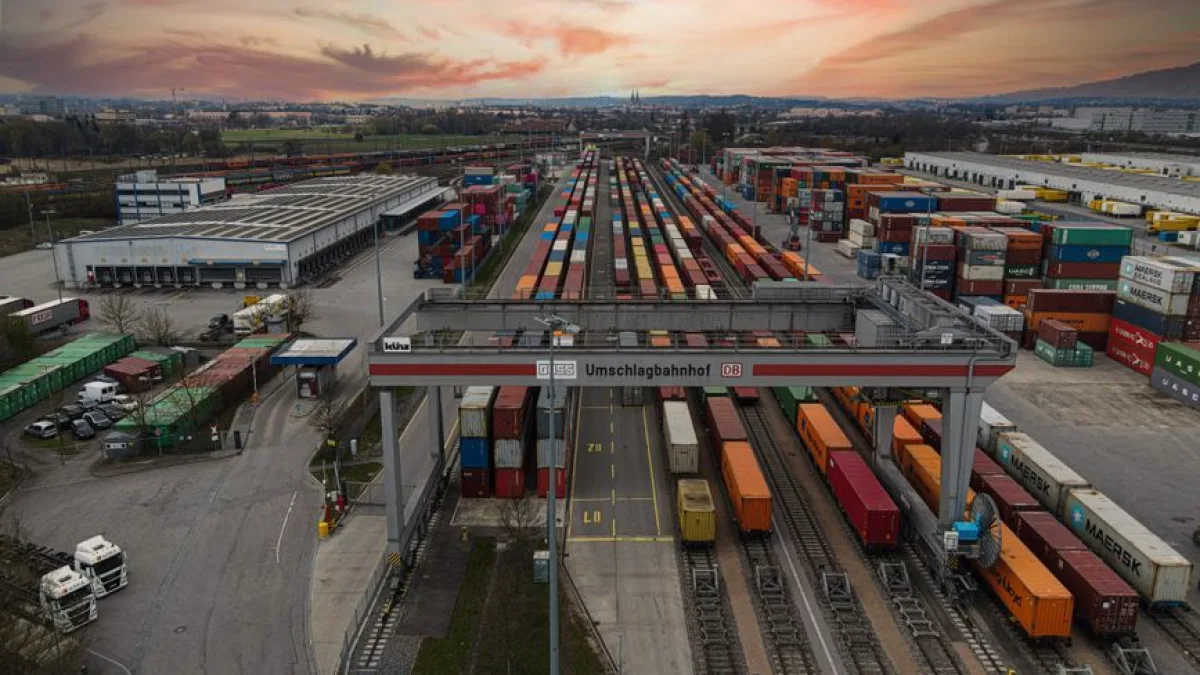
Success in freight forwarding requires a commitment to digital adoption and continuous process improvement. By integrating automated documentation, real-time tracking, seamless communication, and deep data analysis, you can elevate your service levels and drive sustainable growth. Embrace these technology-driven practices today to simplify your complex logistics workflows and provide an unparalleled experience for your global clients. Start transforming your operations with MakeCargo for better results.