Optimizing Freight Forwarding Efficiency in 2024
Tuesday, August 25 2026

The modern logistics landscape demands unprecedented levels of precision and speed from freight forwarders who want to maintain a competitive edge. As global supply chains face increasing volatility, relying on outdated manual processes is no longer a viable strategy for long term growth. Embracing digital transformation allows professionals to manage complex documentation, improve carrier communication, and enhance overall visibility for their clients. By adopting cloud based software solutions, forwarders can reclaim lost time, reduce costly administrative errors, and focus on delivering high quality service that fosters long term loyalty in an increasingly crowded international trade marketplace.
Automating Your Documentation Processes

Automating paperwork significantly reduces the hours spent on repetitive data entry while minimizing the potential for human error in critical shipping documents. This shift toward digital workflows ensures that your team can process high volumes of shipments with much greater accuracy.
- Centralized Document Storage: Keep all shipping manifests, invoices, and customs declarations in one secure cloud location that allows authorized team members to access vital data instantly from anywhere.
- Smart Optical Recognition: Utilize advanced technology to scan physical documents automatically, pulling relevant information directly into your digital system to save time and reduce manual typing errors.
- Automated Compliance Checks: Implement automated validation protocols that cross reference shipment details against current regulatory requirements to prevent costly delays at customs checkpoints during the transit process.
- Digital Signature Integration: Enable secure electronic signatures to speed up the approval process for bills of lading and other essential documents, eliminating the need for slow paper mail.
- Version Control Systems: Ensure everyone is working on the latest file version by using automated updates that track changes, prevent duplication, and maintain a clear audit trail.
Transitioning to an automated documentation system does more than just save time. It transforms your operations by creating a reliable foundation for data integrity. Your staff will spend less energy fixing mistakes and more time focusing on complex logistical challenges. As these digital workflows become standard, your firm will gain a reputation for reliability, speed, and precision that clients will value deeply during their busy shipping seasons.
Enhancing Real Time Visibility
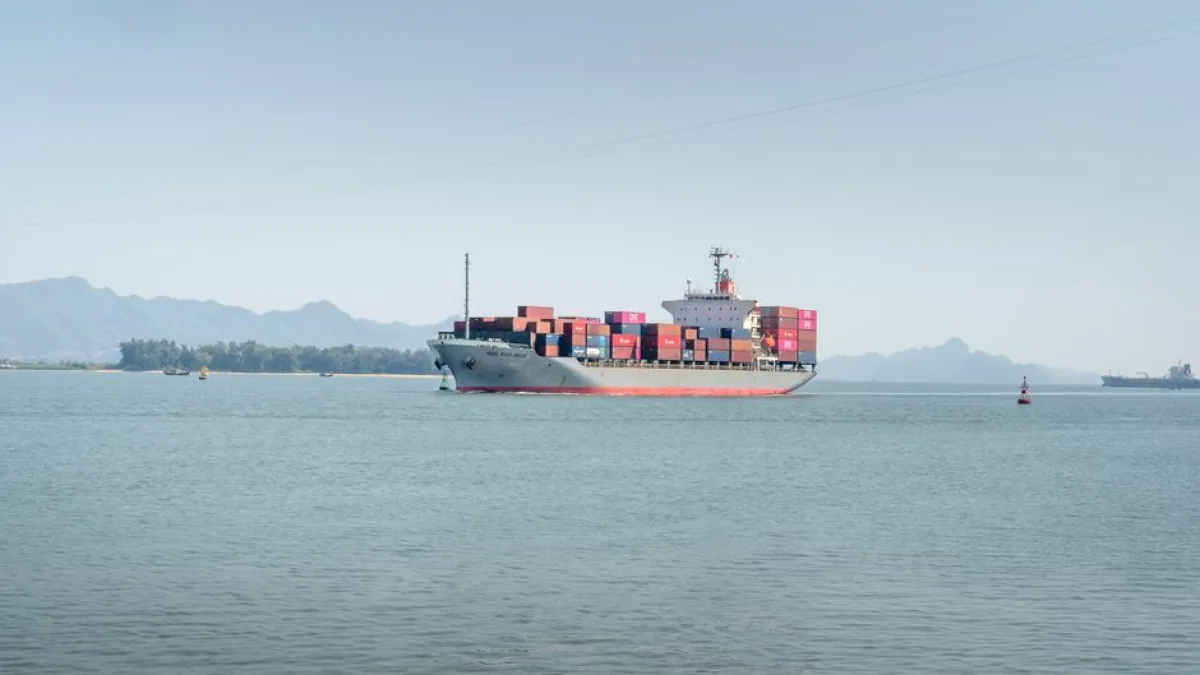
Providing clients with live updates regarding the status of their cargo is essential for building trust. When forwarders offer transparent tracking capabilities, they empower customers to plan their inventory cycles more effectively, leading to improved satisfaction levels and stronger partnerships.
- Integrated GPS Tracking: Connect your software directly to carrier feeds to display the precise location of goods, providing peace of mind to your clients through constant visibility.
- Automated Status Alerts: Send proactive notifications to stakeholders whenever a major milestone is reached, keeping everyone informed without requiring manual status checks or repetitive phone calls.
- Interactive Client Portals: Give your customers secure access to a custom dashboard where they can monitor shipments, view documents, and track milestones independently at their own convenience.
- Exception Management Alerts: Receive instant notifications when a shipment hits an unexpected delay, allowing you to inform the client immediately and propose effective alternative solutions for them.
- Predictive Analytics Tools: Use historical data to anticipate common shipping bottlenecks and offer clients proactive advice that helps them avoid delays before they actually occur in reality.
When you prioritize real time visibility, you create a transparent environment that distinguishes your services from traditional competitors. Clients appreciate being kept in the loop without having to chase down agents for updates. By giving them the tools to see their cargo status on demand, you reduce administrative pressure on your team and foster a professional relationship rooted in complete and total honesty.
Strengthening Carrier Communication
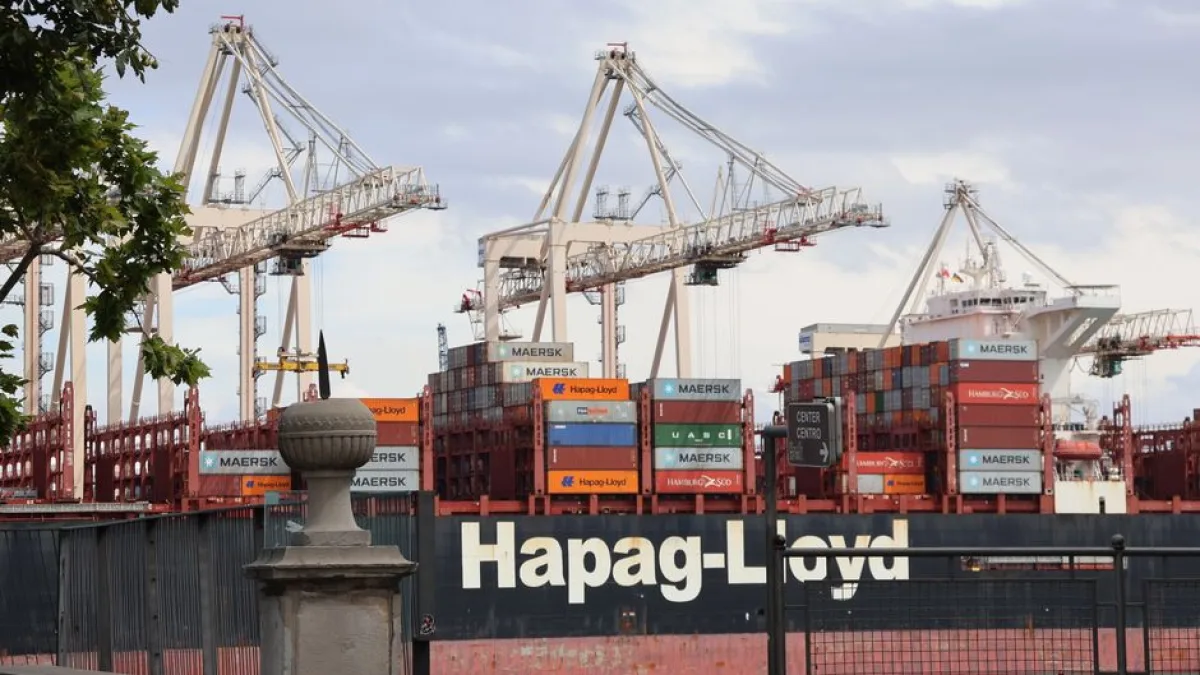
Effective collaboration with carriers is the backbone of successful freight operations. By leveraging digital platforms, forwarders can streamline communication channels, ensure that capacity is booked accurately, and resolve scheduling conflicts before they escalate into major issues that affect your end client.
- Direct Messaging Portals: Replace scattered email threads with an integrated chat feature that keeps all logistical correspondence linked directly to the relevant shipment files for easy reference.
- Digital Rate Management: Maintain an organized database of current carrier quotes and space availability, allowing your team to compare options quickly and select the most efficient route.
- Unified Booking Requests: Send standardized booking requests through your software platform, ensuring that carriers receive clear and complete information every time you initiate a new shipment order.
- Standardized Carrier Templates: Use pre built templates for all communications to ensure that your requests are professional, clear, and include all necessary data to avoid any confusion.
- Performance Evaluation Metrics: Track carrier reliability and transit times within your software to identify the most dependable partners, helping you build a high performing network of providers.
Effective communication strategies help you cultivate lasting relationships with carriers and vendors. By using centralized platforms, you ensure that everyone is aligned on the requirements of every shipment. This proactive coordination minimizes the risk of misunderstandings and helps you maintain operational consistency. When you make it easier for carriers to work with you, you often secure better rates and priority space availability.
Streamlining Financial Workflows

Managing invoices, billing, and payments efficiently is critical for maintaining healthy cash flow within a forwarding business. Integrating financial modules directly into your operational software helps you avoid billing lags and ensures that every charge is accounted for correctly and processed quickly.
- Automated Invoice Generation: Create professional invoices based on actual shipment data automatically, ensuring that all service fees and customs duties are calculated accurately and billed without delay.
- Seamless Accounting Sync: Connect your freight software to your primary accounting system to eliminate the need for manual ledger entries and ensure perfect data synchronization at all times.
- Proactive Payment Reminders: Set up automated alerts for clients to ensure that invoices are settled on time, which helps stabilize your operational budget and reduces late payment issues.
- Currency Conversion Tools: Handle international shipments with ease by using integrated tools that calculate exchange rates accurately, ensuring your financial reporting remains precise across different global markets.
- Detailed Profit Reports: Run real time profitability analysis on each shipment or client to see exactly where your revenue comes from and where you should optimize costs.
By streamlining your financial workflows, you ensure that the back office supports your frontline logistics efforts effectively. Automation reduces the time spent on manual accounting tasks while improving your overall fiscal health. When you have a clear picture of your finances and automated tools to handle billing, your business gains the agility needed to invest in growth and pursue new market opportunities globally.
Conclusion
Improving freight forwarding efficiency requires a commitment to digital adoption and process optimization. By focusing on documentation automation, real time visibility, carrier relationships, and financial accuracy, you can build a more resilient business. Start implementing these best practices today to simplify your operations, reduce overhead costs, and deliver superior service. Modern software tools are essential for staying competitive in this fast paced global industry.