Optimizing Freight Forwarding Efficiency with Digital Workflows
Wednesday, August 26 2026
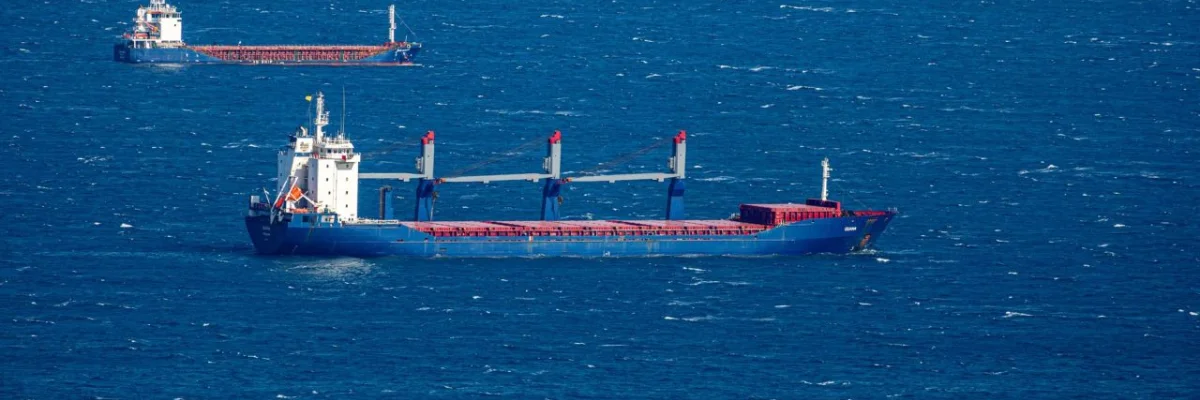
Modern freight forwarding is an increasingly complex landscape defined by shifting global regulations and high client expectations for real time visibility. As shipping volumes fluctuate, forwarders must pivot from outdated manual processes toward cloud based architectures to maintain competitive advantages. By centralizing documentation, automating repetitive communication tasks, and leveraging data driven insights, logistics providers can significantly reduce overhead costs and human error. Transitioning to a digital first approach is no longer just a technical upgrade but a foundational necessity for businesses that intend to scale sustainably while delivering superior service levels in a volatile international trade environment.
Mastering Automated Documentation

Automation in documentation reduces the manual burden of data entry while ensuring that shipping files remain compliant and accessible. By adopting smart software tools, teams can generate accurate bills of lading, invoices, and customs declarations with minimal manual intervention throughout the process.
- Seamless Data Sync: Automated systems capture information directly from client inputs, reducing duplicate work and preventing common errors associated with traditional spreadsheet tracking during the complex shipping lifecycle.
- Compliance Error Reduction: Intelligent platforms validate data against current customs requirements automatically, ensuring that all regulatory filings are complete and accurate before they reach global port authorities.
- Faster Document Processing: Digital workflows enable team members to generate and share essential shipping documents instantly, cutting down waiting times and accelerating the overall cargo clearance process.
- Secure Cloud Storage: Centralized digital archives keep every historical document safe and easy to retrieve, providing a reliable audit trail for compliance teams during seasonal peak periods.
Integrating automation into your standard operating procedures transforms the daily workflow by shifting focus from repetitive tasks to strategic client management. When employees stop typing data manually, they start analyzing performance metrics and solving complex logistical problems. This cultural shift not only boosts job satisfaction but also improves your firm reputation for speed and precision among demanding international shippers and partners.
Improving Shipment Visibility
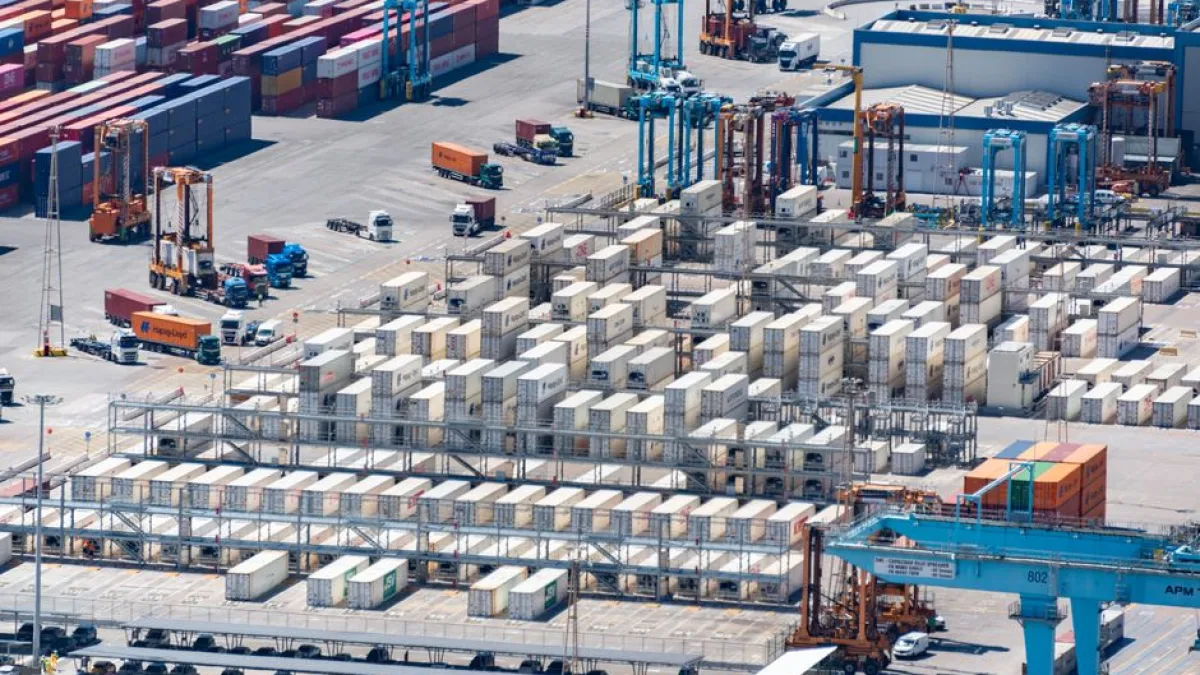
Providing clients with live status updates is vital for building trust in the logistics industry today. Advanced platforms offer tracking features that notify stakeholders about delays or milestones as they occur, ensuring transparency across the entire multi modal supply chain.
- Real Time Tracking: Integrated mapping tools pull live location data from carriers, allowing your clients to monitor their container progress through every single leg of the journey.
- Instant Notification Alerts: Automated systems send push notifications or emails regarding key milestones, keeping all stakeholders informed without requiring manual check ins or constant phone calls.
- Proactive Delay Management: When shipments face unexpected obstacles, your team receives immediate data alerts, allowing you to inform clients proactively rather than reacting to complaints later.
- Transparent Status Dashboards: Client portals provide a clear view of current inventory levels, helping partners make informed business decisions based on accurate and current arrival data.
High level visibility is the standard expectation for global logistics clients who require predictability to maintain their own manufacturing or retail schedules. By offering a portal that displays every shipment stage, you differentiate your freight forwarding services from competitors who rely on delayed email updates. Consistently providing clear data helps solidify long term partnerships and reduces the support burden on your team.
Streamlining Carrier Communication
Managing multiple carriers requires efficient communication channels to prevent bottlenecks and ensure that cargo moves according to the original schedule. Centralized messaging platforms allow logistics coordinators to maintain constant contact with global shipping lines and local transport providers.
- Centralized Message Logs: All communications with agents and carriers are stored within the digital file, preventing critical shipment details from getting buried in personal email inboxes.
- Standardized Query Templates: Using predefined message templates speeds up routine inquiries with shipping lines, ensuring that your team asks for necessary information in a uniform manner.
- Faster Conflict Resolution: Quick digital access to previous agreements and correspondence helps teams resolve disputes regarding space or scheduling without wasting time searching through files.
- Improved Partner Relationships: Consistent and organized communication shows professionalism to your network, encouraging better cooperation and prioritization of your shipments during capacity shortages or surges.
Effective communication is the lifeblood of a successful freight forwarding operation that manages hundreds of bookings each week. By keeping all carrier notes in one accessible place, your team avoids the frustration of mismatched information and misdirected cargo. This organized approach promotes a culture of accountability where every stakeholder clearly understands their responsibilities, leading to fewer errors and faster resolution times.
Scaling Through Data Analytics
Data driven insights provide the clarity needed to optimize lanes and negotiate better rates with service providers over the long term. Analyzing historical performance helps managers identify bottlenecks and capitalize on profitable routes that drive overall business growth and profitability.
- Route Performance Tracking: Reviewing historical shipping data reveals which routes are consistently profitable and which lanes suffer from frequent delays, enabling better future logistics planning decisions.
- Cost Analysis Reporting: Detailed financial reports highlight where expenses are highest, giving you the necessary information to renegotiate service contracts or consolidate shipments for efficiency.
- Carrier Performance Benchmarks: Analytics tools allow you to compare different carriers based on their reliability and speed, ensuring you select the best partners for specific cargo.
- Strategic Business Forecasting: Analyzing past shipping trends helps you predict seasonal surges, allowing your team to secure capacity and human resources well before the peak.
Leveraging business intelligence transforms raw shipping data into actionable strategies that support your company growth objectives. Instead of guessing which lanes are efficient, you have the evidence required to make smart decisions that protect your bottom line. As you implement these data practices, your business becomes more resilient and capable of handling the inevitable fluctuations of the global freight market.
Conclusion

Digital transformation remains the most effective way for freight forwarders to improve service quality and internal operational efficiency. By automating documentation, enhancing visibility, and utilizing advanced data analytics, your firm can navigate complex logistics challenges with confidence. Start optimizing your workflows today to ensure your company remains competitive and ready to meet the evolving demands of your global client base.