Optimizing Freight Forwarding Efficiency with Modern Digital Solutions
Monday, August 31 2026
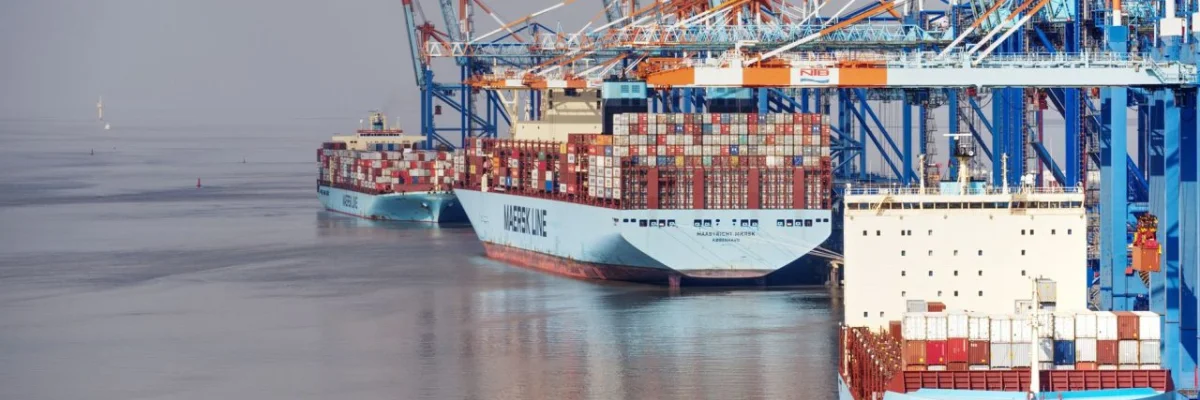
The global logistics landscape is changing at an unprecedented pace, placing heavy pressure on freight forwarders to move beyond manual processes and legacy systems. Success today requires a strategic shift toward digital integration, real-time data visibility, and automated workflows that minimize human error. By leveraging cloud-based platforms, professionals can gain a competitive edge, reduce operational bottlenecks, and provide a superior client experience. This guide examines the essential best practices that empower forwarders to scale their business effectively. Whether you are managing complex supply chains or simple point-to-point shipments, these strategies will serve as the foundation for sustainable growth in the modern era.
Embracing Automation for Workflow Efficiency
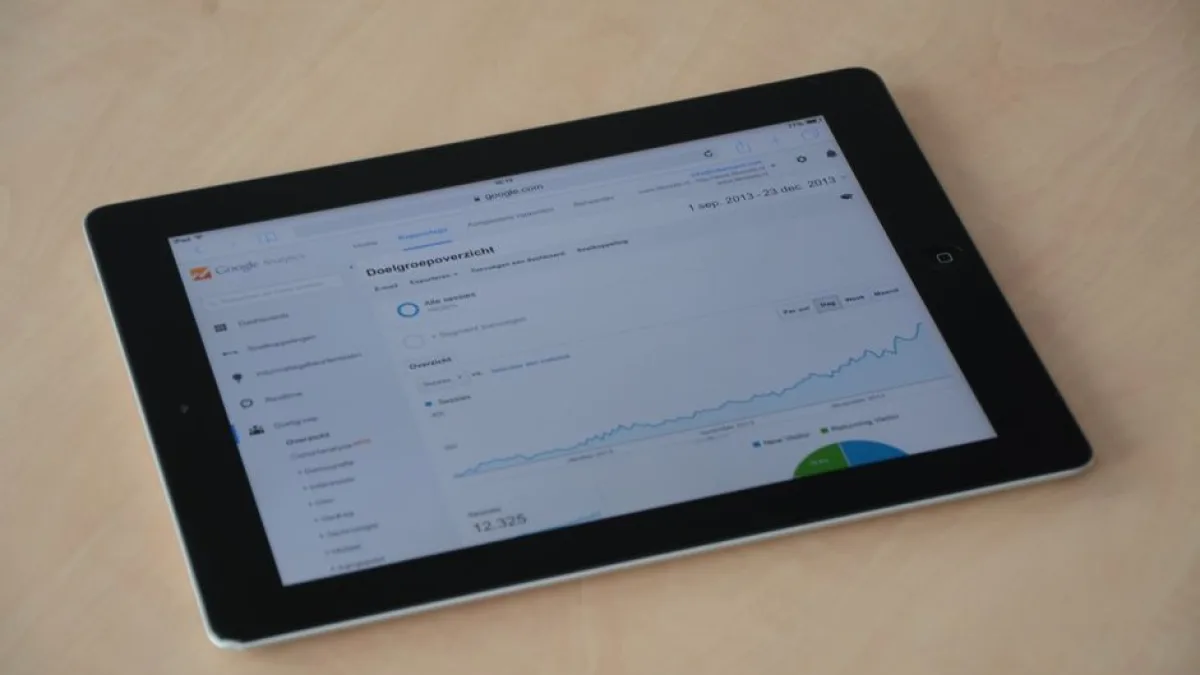
Automation serves as the backbone of modern freight forwarding by replacing repetitive manual tasks with streamlined digital triggers. Implementing these tools allows your team to focus on high-value client interactions rather than data entry, drastically reducing the time spent processing shipments.
- Automated Rate Management: Centralize your carrier pricing and surcharges within a single platform to generate accurate quotes instantly without manual calculation errors or outdated carrier rate spreadsheets.
- Digital Document Handling: Move away from physical paperwork by digitizing your bills of lading and commercial invoices, which enables faster clearance and significantly lowers administrative processing costs.
- Proactive Milestone Alerts: Use automated notification systems that trigger status updates for clients, keeping them informed about cargo progress without requiring additional manual check-in email exchanges.
- Integration with APIs: Connect your internal systems directly to carrier APIs for real-time tracking updates, eliminating the need for fragmented communication channels during the shipping cycle.
Adopting automation transforms your daily operations by removing the burden of repetitive tasks from your staff. By integrating these systems, your team gains more time to focus on complex logistics challenges and client relationships. This shift not only lowers your internal overhead costs but also minimizes the frequency of common human errors, leading to a much more reliable service delivery for your global shipping partners.
Leveraging Data for Strategic Decision Making

Data-driven decision making is critical for freight forwarders who want to optimize their routes and carrier selections. By analyzing historical performance metrics, your firm can identify trends, negotiate better rates with vendors, and predict potential supply chain disruptions before they happen.
- Performance Analytics Dashboards: Visualize key performance indicators through intuitive dashboards that highlight carrier reliability and transit time trends across your most important shipping lanes and trade routes.
- Carrier Cost Benchmarking: Track and compare service provider costs over time to ensure you are consistently getting the best value while maintaining high service standards for customers.
- Predictive Capacity Planning: Utilize historical shipment volume data to forecast future demand patterns, allowing your team to secure necessary container space ahead of seasonal market surges.
- Vendor Scorecard Tracking: Maintain detailed records of carrier performance issues to facilitate informed discussions during contract renewals and ensure your partners meet specific service level agreements.
Using data as a foundation for your business strategy provides clarity that intuition alone cannot offer. Forwarders who prioritize analytics are better equipped to navigate market volatility and secure favorable terms with logistics partners. By continuously refining your strategy based on hard numbers, you build a resilient foundation that supports long-term profitability and helps your business grow in a highly competitive market.
Prioritizing Transparent Client Communication

In the digital age, clients expect instant access to their shipment information and clear visibility into the supply chain. Establishing a culture of transparency through self-service portals and automated reporting builds trust and differentiates your firm from competitors who rely on delayed, manual updates.
- Client Self-Service Portals: Provide your customers with a secure login where they can download documents, track active shipments, and view past invoices whenever they need information.
- Real-Time Status Tracking: Implement live tracking modules that show current cargo locations, giving your clients peace of mind and reducing the number of status-related inquiries received.
- Centralized Communication Hubs: Keep all shipment-related messages, email threads, and documents in one shared location to ensure that every team member has the context needed for answers.
- Customizable Reporting Tools: Generate automated weekly reports for high-value clients that summarize key logistics milestones and spending to demonstrate your value as a proactive logistics partner.
Transparent communication is the key to building long-term loyalty with your clients. When you provide them with the tools to manage their own inquiries and offer real-time updates, you elevate the quality of your professional service significantly. This commitment to clarity simplifies the relationship, reduces support volume, and positions your agency as a reliable partner capable of navigating today's complex global trade environment.
Strengthening Internal Team Collaboration

Success in freight forwarding depends on how well your internal teams share information and coordinate across various departments. By breaking down silos, your staff can collaborate effectively on complex shipments, ensuring that everyone involved is aligned on the requirements and potential risks for each client project.
- Unified Digital Workspaces: Utilize a single platform where all team members can access shipment notes and task lists, reducing confusion about who is handling specific action items.
- Shared Task Management: Assign specific responsibilities to team members within your software to prevent missed deadlines and ensure accountability throughout the end-to-end logistics delivery process.
- Standardized Operational Processes: Develop and document standard operating procedures that are integrated into your software, helping new hires onboard quickly while maintaining consistent service quality for customers.
- Internal Notification Systems: Enable smart alerts that notify relevant departments immediately when a document is uploaded or a status changes, keeping your entire operation synchronized effortlessly.
A collaborative culture turns individual efforts into a cohesive operational force. By standardizing your processes and using shared digital workspaces, you eliminate internal communication gaps that lead to mistakes or delays. When your team members are aligned and supported by clear software workflows, they perform better and can handle larger volumes of cargo with confidence, ultimately benefiting your clients and your bottom line.
Conclusion

Mastering freight forwarding requires a commitment to digital transformation and continuous process improvement. By automating manual workflows, leveraging data for insights, and prioritizing client transparency, you create a robust business model ready for growth. Implement these best practices today to streamline your daily operations and provide the high level of service that modern global supply chains demand from their professional logistics partners.