Optimizing Freight Forwarding Efficiency with Digital Workflows
Wednesday, September 2 2026
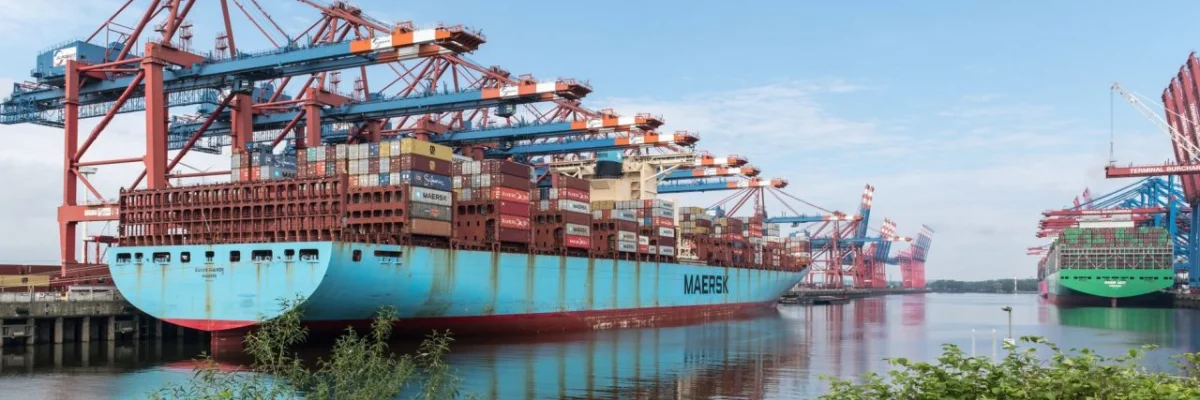
Modern freight forwarding professionals navigate a complex ecosystem where data accuracy and speed dictate market competitiveness. As global trade volumes fluctuate, the reliance on legacy manual processes often creates bottlenecks that hinder scalability and profitability. Embracing cloud-based logistics platforms allows forwarders to centralize documentation, automate repetitive tasks, and gain real-time visibility into shipments across multiple carriers. By integrating advanced software solutions, firms can reduce costly errors and improve communication with stakeholders. Focusing on digital transformation is no longer optional but a fundamental requirement for those aiming to achieve operational excellence in today's rapidly evolving global supply chain environment.
Leveraging Real-Time Tracking Data

Digital visibility transforms how your team manages cargo by providing instant updates across every leg of the journey. Utilizing precise data allows for proactive problem-solving before minor delays escalate into major shipping disruptions for your clients.
- Proactive shipment monitoring: Constant access to live GPS data enables teams to detect delays early and provide accurate arrival updates to customers before they even ask for status reports.
- Automated carrier updates: Integrating API connections with major carriers ensures your dashboard displays the latest milestones automatically without requiring manual data entry from your busy operations staff members.
- Enhanced visibility analytics: Analyzing historical tracking data helps identify recurring bottlenecks in specific trade lanes, allowing you to choose better routes and improve overall transit time performance metrics.
- Client portal access: Providing customers with secure login credentials allows them to track their own shipments, which significantly reduces the volume of status inquiries handled by support staff.
Adopting a proactive stance toward data transparency fosters trust and strengthens long-term business partnerships. When clients can see the real-time status of their cargo, they feel more confident in your services. This transparency minimizes repetitive communication cycles, allowing your team to focus on strategic tasks rather than answering status emails. Investing in visibility tools is a clear differentiator for modern logistics providers today.
Automating Documentation and Compliance

Managing complex international documentation is one of the most time-consuming aspects of freight forwarding. Automation tools drastically reduce the risk of human error while ensuring that every shipment complies with evolving local and international trade regulations seamlessly.
- Smart document generation: Automatically populate essential shipping documents like bills of lading and commercial invoices using pre-filled templates to ensure total consistency and extreme accuracy for every client.
- Compliance validation checks: Built-in regulatory engines scan your documentation against current customs requirements to prevent costly delays at border crossings caused by missing information or incorrect filing procedures.
- Cloud storage centralization: Maintaining a digital repository for all shipping records ensures that your team can access vital compliance documentation from anywhere at any time during audits.
- Digital signature integration: Implementing electronic signature capabilities allows you to finalize contracts and authorization forms quickly, removing the need for physical printing, scanning, and mailing of documents.
Efficient document management is the backbone of a high-functioning logistics operation. By eliminating paper-based bottlenecks, your firm can accelerate the customs clearance process and avoid unnecessary fines associated with non-compliance. These systems empower your team to handle higher transaction volumes without needing to expand your staff. Start digitizing your paperwork flows to unlock significant hidden potential within your existing company infrastructure.
Optimizing Communication with Stakeholders

Effective communication is the glue that holds global supply chains together. By utilizing cloud-based collaboration tools, freight forwarders can bridge the gap between carriers, suppliers, and end customers, ensuring everyone stays perfectly aligned throughout the entire shipping process.
- Centralized conversation logs: Keeping all communication tied directly to specific shipment files prevents information silos and ensures that every team member has the full context at hand.
- Automated email notifications: Configure custom triggers to send status updates automatically to stakeholders based on specific milestones, ensuring timely communication without requiring constant manual oversight from staff.
- Task management integration: Assigning internal action items within the communication platform keeps your team accountable and ensures that no critical shipping steps are ever missed by anyone.
- Internal chat features: Secure messaging tools allow your operations team to resolve issues rapidly by discussing shipment problems in real time without searching through long email threads.
Streamlined communication reduces misunderstandings and accelerates decision-making cycles across your logistics network. When information flows freely between departments and external partners, your team becomes more agile and responsive to changing conditions. Prioritizing these internal collaboration tools will elevate your service standards and create a more cohesive work environment. Consistent messaging is the key to maintaining a professional image during complex operations.
Scaling Operations Through Cloud Systems

Cloud-based freight software provides the foundation for scalable growth in a competitive industry. By moving away from local servers, forwarders gain the flexibility to adapt to market surges, add new team members instantly, and work securely from anywhere.
- Flexible resource allocation: Cloud platforms allow you to scale your operational capacity up or down based on seasonal shipping demands without investing in expensive local hardware upgrades.
- Enhanced data security: Leading cloud providers offer robust encryption and automated backup protocols that protect your sensitive client data against cyber threats and unexpected system failures.
- Seamless software integration: Modern cloud architectures easily connect with accounting and ERP systems, creating a unified ecosystem that streamlines data flow across your entire company workflow.
- Mobile access flexibility: Empowering your staff to manage shipments via mobile devices ensures business continuity even when employees are working remotely or traveling to meet clients.
Transitioning to a cloud-native platform is a strategic decision that positions your business for future success. It provides the technological agility required to pivot when global market conditions shift unexpectedly. By relying on secure, accessible systems, you create a resilient business model that supports sustainable growth. Now is the ideal time to evaluate your software and move toward a modern, future-proof logistics environment.
Conclusion
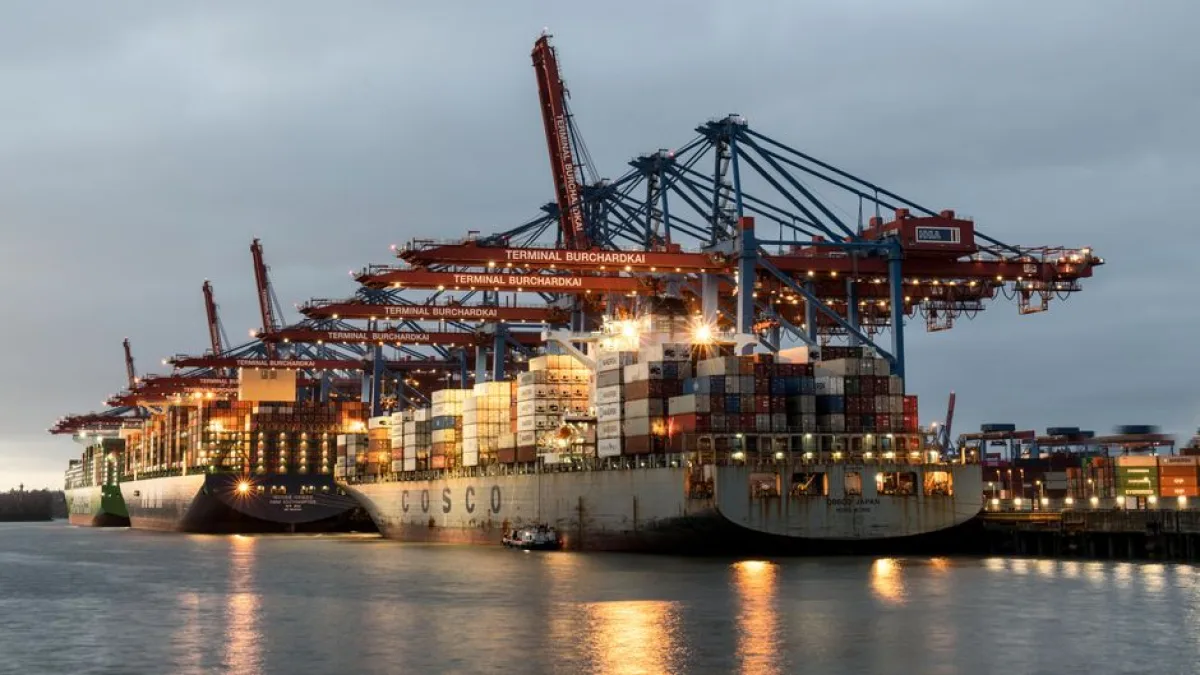
Optimizing your logistics workflow involves a commitment to digital tools that prioritize efficiency, accuracy, and clear communication. By leveraging automation and cloud technology, your firm can overcome industry challenges and deliver superior value to your clients. Focus on integrating these best practices into your daily operations to ensure long-term success. Contact the MakeCargo team today to start transforming your digital freight operations.