Optimizing Freight Forwarding Efficiency with Digital Automation
Thursday, September 3 2026

The modern logistics landscape demands unprecedented levels of precision and speed. Freight forwarders often struggle with fragmented communication channels, manual data entry errors, and outdated tracking systems that hinder operational scalability. By adopting a cloud-based freight forwarding platform, companies can transition from reactive firefighting to proactive growth. This strategic shift not only reduces administrative overhead but also empowers teams to focus on high-value client relationships. Achieving operational excellence requires a commitment to digital transformation and the seamless integration of workflows across your entire supply chain network. Embracing these best practices will secure your competitive edge in an increasingly digital global marketplace.
Leveraging Automated Documentation

Manual document handling remains a significant bottleneck for logistics teams everywhere. By automating the extraction of bill of lading data and invoices, forwarders can reduce processing times significantly, allowing staff to focus on strategic shipment routing rather than tedious data input tasks.
- Reduce manual errors: Automating data entry removes the risk of human oversight when transcribing shipping details, ensuring that every manifest remains accurate and compliant with strict international customs regulations.
- Accelerate document processing: Automated systems verify incoming files in seconds, which drastically improves your response time to partners and clients who expect immediate confirmation during high-pressure shipping windows.
- Centralize document storage: Keeping all critical paperwork in a secure, cloud-based repository eliminates the need for physical filing cabinets and makes retrieving historical shipment records an instant process.
- Enhance compliance accuracy: Intelligent software flags discrepancies in documentation before submission, preventing costly delays at border crossings and keeping your operational workflow smooth throughout the entire transit process.
Digital documentation is no longer optional for firms aiming to scale their operations effectively. When your team stops chasing paper trails, they gain the capacity to manage higher shipment volumes without increasing administrative headcount. This shift in efficiency allows your business to maintain superior service levels even during peak seasons, ensuring that your long term growth remains sustainable and profitable for all stakeholders involved.
Optimizing Real Time Visibility

Visibility is the backbone of modern freight forwarding services that build long term trust. Providing clients with live tracking updates transforms the customer experience from an uncertain wait into a transparent, data-driven journey that keeps stakeholders informed at every single checkpoint.
- Enable live tracking: Integrating live carrier APIs provides instantaneous updates on vessel locations, which helps your team preemptively identify potential delays and communicate solutions to clients before issues escalate.
- Improve client communication: Automated status notifications keep customers updated without manual emails, fostering trust by providing proactive information about the location and condition of their sensitive cargo shipments.
- Identify route bottlenecks: Analyzing real time traffic and port congestion data allows your operations team to choose alternative routes that save time and keep your supply chain moving.
- Strengthen partner transparency: Sharing granular data with your logistics partners facilitates better coordination, resulting in fewer scheduling conflicts and a more cohesive workflow across your diverse network.
When visibility becomes a core part of your service offering, client retention rates tend to rise. Customers value forwarders who provide honest insights into shipment progress, even when challenges occur. By leveraging advanced visibility tools, you distinguish your brand as a reliable partner capable of handling complex logistics demands with calm precision and absolute technical transparency during every stage of the transit.
Streamlining Financial Workflows

Financial reconciliation often consumes hours of work due to complex currency conversions and hidden surcharges. By consolidating invoicing and payment tracking into a single unified platform, freight forwarders gain complete control over cash flow and improve their overall profit margins significantly.
- Consolidate invoicing tasks: Generating invoices directly from shipping data ensures that all surcharges and fees are captured correctly, reducing the common problem of missed revenue during billing cycles.
- Automate payment reminders: Setting up recurring triggers for pending payments helps maintain healthy cash flow levels while reducing the time your finance team spends on repetitive follow-up communications.
- Track profit margins: Real time dashboard reports allow you to see the exact profitability of every shipment, enabling smarter pricing strategies that align with current market fluctuations and costs.
- Simplify currency conversion: Integrated systems handle multi-currency transactions automatically, protecting your business against exchange rate volatility and ensuring accurate financial records across your international operations and vendor network.
Financial health is the heartbeat of a successful forwarding business. When you simplify the billing process, you reclaim valuable time that is better spent on business development and strategic planning. These streamlined workflows protect your bottom line by reducing leakage and ensuring that every cost is accounted for. Maintaining tight control over your finances allows you to reinvest in technology and growth.
Integrating Partner Ecosystems
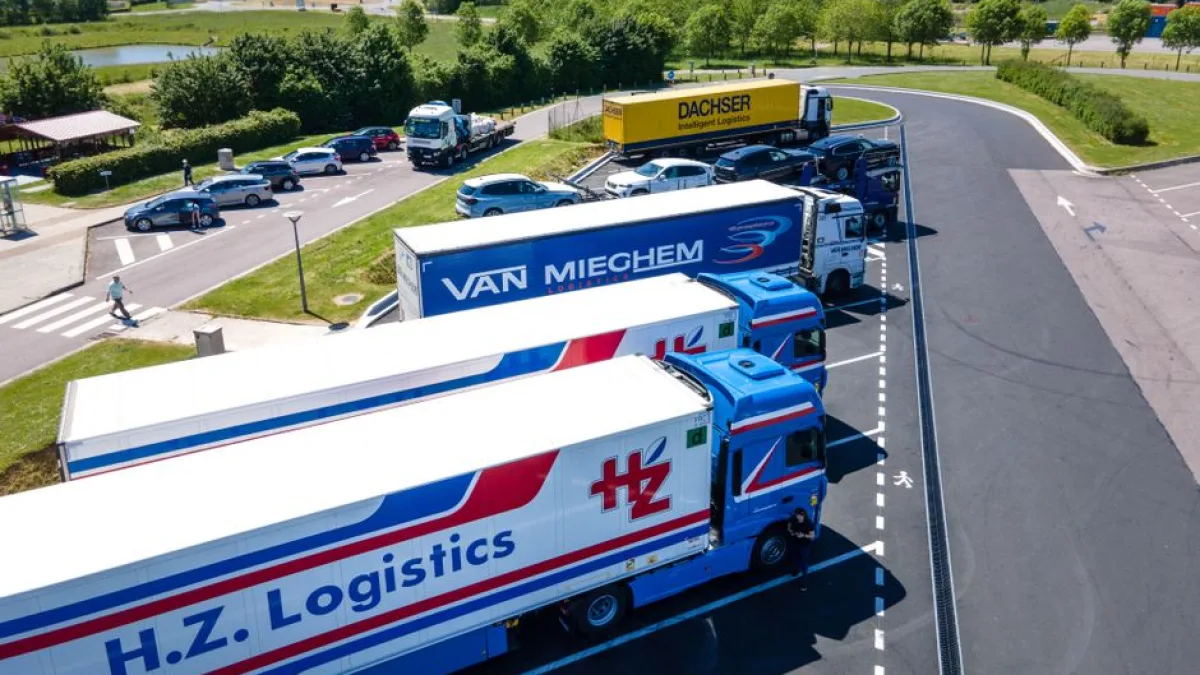
Collaborating with global partners requires seamless data exchange to prevent communication silos. Using a unified digital platform allows you to bridge the gap between carriers, agents, and local transport providers, ensuring that everyone operates from the same accurate information set daily.
- Standardize partner data: Implementing a consistent data format across your network prevents communication errors and ensures that all stakeholders understand shipment requirements clearly from the very start.
- Enhance collaboration speed: Shared digital workspaces allow different parties to update status information concurrently, which eliminates the back and forth friction associated with traditional email or phone updates.
- Centralize partner contacts: Storing all communication history and contact details in one accessible location makes it easier for team members to manage global relationships without losing important context.
- Scale network connections: A cloud-native platform supports easy onboarding for new agents or carriers, allowing your business to expand its geographic reach quickly without requiring massive manual infrastructure updates.
Effective collaboration is the catalyst for scaling your forwarding operations on a global level. When your partners are connected through a single robust system, you reduce the inherent complexity of international shipping. This connected approach fosters stronger professional relationships and ensures that your operations remain resilient. By prioritizing digital integration with your partners, you build a foundation for long term global success.
Conclusion
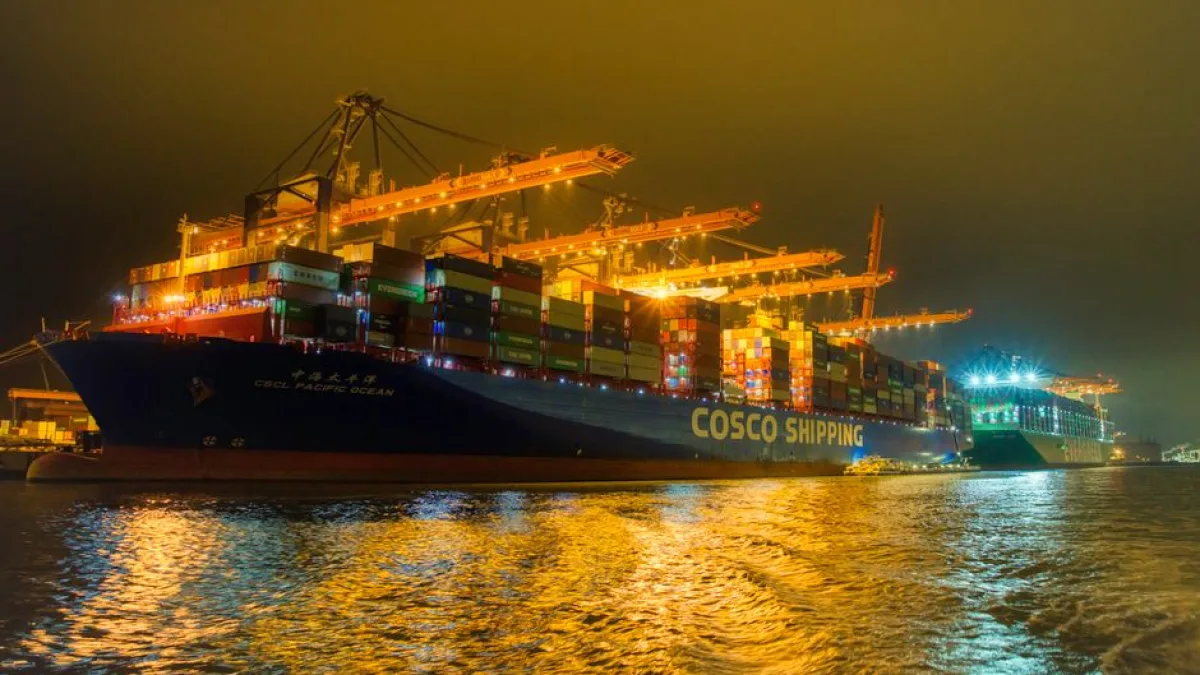
Mastering freight forwarding best practices requires a combination of smart technology adoption and disciplined operational processes. By automating documentation, enhancing visibility, streamlining financial tasks, and integrating your partner network, you position your firm for sustainable growth. Start evaluating your current software stack today to identify where you can gain efficiency. MakeCargo provides the tools necessary to modernize your operations and deliver exceptional results.