Optimizing Freight Forwarding Efficiency in the Digital Age
Tuesday, September 8 2026
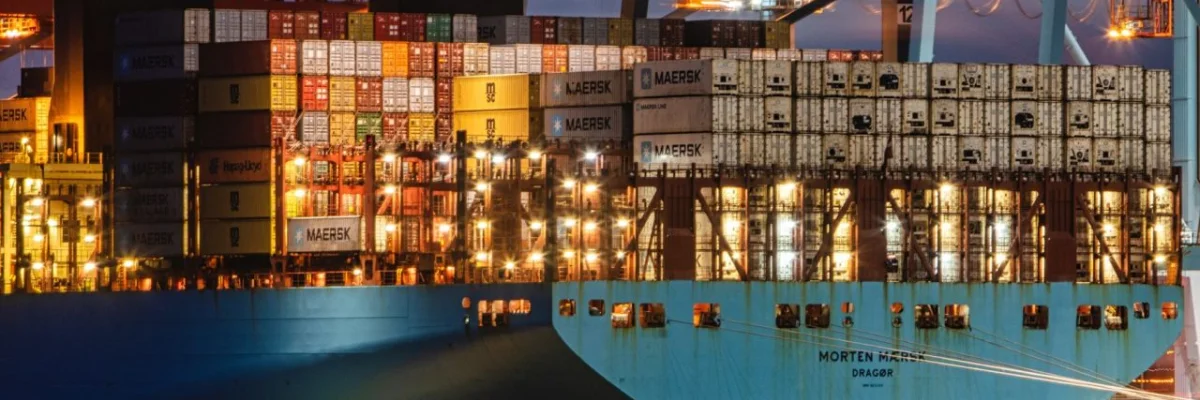
Modern freight forwarding requires a delicate balance of speed, precision, and reliability in an increasingly complex global supply chain. As market demands shift, logistics professionals must move beyond legacy systems that hinder growth and embrace cloud-based solutions. By integrating advanced automation and real-time data visibility, forwarders can significantly reduce manual errors and improve client satisfaction. This evolution is not merely about keeping pace with competitors but about redefining the standard of service excellence. Efficient operations are the backbone of a successful enterprise, allowing teams to focus on strategic growth rather than getting lost in tedious paperwork and redundant data entry.
Streamlining Documentation Workflows

Manual document handling is often the biggest bottleneck in freight operations. By transitioning to digital workflows, teams can process bills of lading and customs documents in seconds, drastically reducing the time spent on administrative tasks while ensuring compliance across international borders.
- Automated Data Entry: Implement software that automatically captures information from shipping documents, which eliminates human error and saves your team hours of repetitive manual typing tasks every single day.
- Centralized Document Storage: Maintain a secure cloud repository where every stakeholder can access essential paperwork instantly, reducing communication delays and ensuring that everyone works from the most current information.
- Customs Compliance Automation: Leverage built-in regulatory tools that update automatically to keep your filings accurate, protecting your firm from costly penalties and preventing unnecessary delays at international checkpoints.
- Standardized Document Templates: Create professional shipping templates that simplify the creation of invoices and packing lists, ensuring consistent branding and accurate data presentation for all your global customers.
Digital transformation significantly reduces the overhead costs associated with processing physical paperwork. By centralizing documentation, your staff can transition from reactive clerical roles to proactive customer support specialists. This shift allows you to handle higher volumes without increasing headcount, providing a scalable foundation for your business. As processes become standardized, the consistency of your service output will naturally build stronger long term loyalty.
Enhancing Real Time Visibility
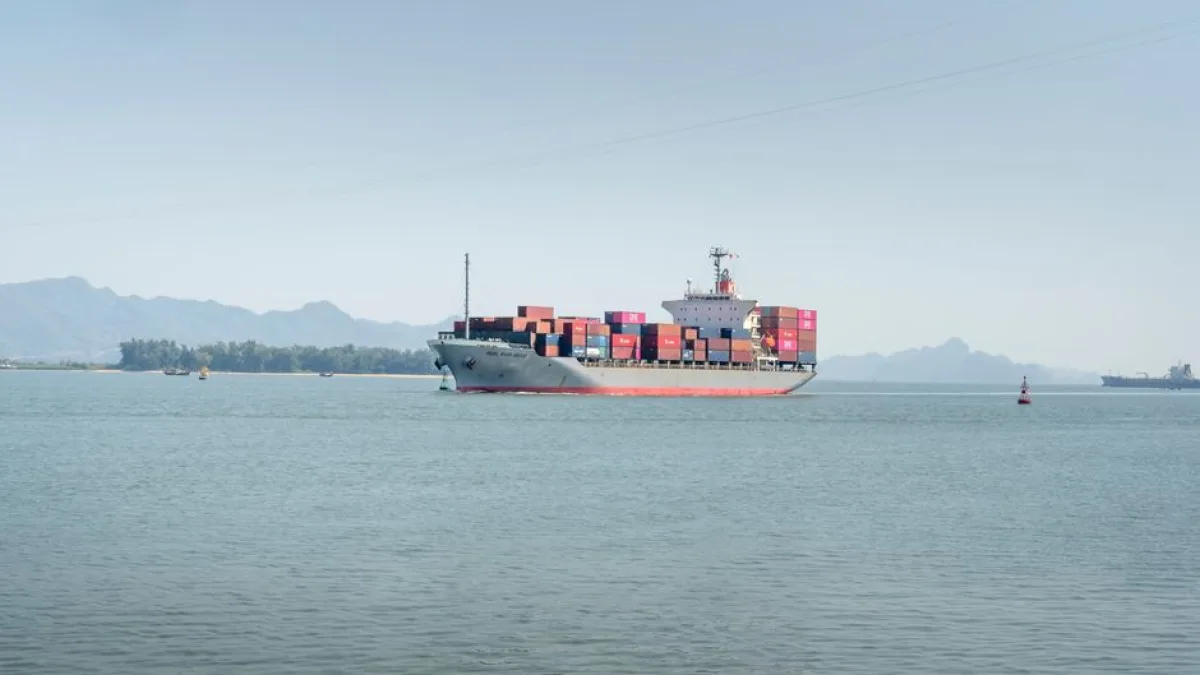
Global shippers demand constant updates regarding their cargo status. Providing accurate real time visibility through integrated tracking systems transforms your value proposition, turning basic logistics services into a premium experience that builds deep trust with every single client interaction.
- Live Cargo Tracking: Offer clients a portal where they can view exact shipment locations 24/7, which reduces incoming status inquiries and empowers customers to manage their inventory planning.
- Proactive Milestone Alerts: Configure automated notifications that inform clients about status changes or potential delays immediately, showing transparency before the customer even notices an issue with their shipment.
- Integrated Carrier APIs: Connect directly with global ocean and air carriers to pull live status updates into your platform, ensuring your data is always accurate and current.
- Interactive Client Dashboards: Provide personalized views that highlight key performance indicators, helping your customers understand their shipping trends and make better decisions for their own supply chain.
Total transparency is no longer a luxury but an expectation in the current logistics landscape. By investing in tools that provide instant status updates, you differentiate your brand from competitors who rely on delayed email communications. Clients appreciate the honesty provided by real time data, which helps them mitigate risks early. This proactive approach leads to significantly higher retention and referrals over time.
Leveraging Advanced Freight Analytics

Data holds the key to uncovering hidden inefficiencies within your supply chain operations. By utilizing advanced analytics, forwarders can identify trends, forecast capacity needs, and optimize route selections to improve overall profitability while simultaneously meeting demanding customer delivery deadlines efficiently.
- Profit Margin Analysis: Track the revenue and expenses for every shipment to identify which routes or carriers yield the highest returns, allowing for smarter future pricing strategies.
- Carrier Performance Tracking: Measure the reliability and pricing of your partner carriers to negotiate better rates, ensuring you always work with the most efficient logistics service providers.
- Operational Trend Forecasting: Use historical shipping data to predict busy seasons, enabling your team to secure warehouse space and carrier capacity long before the peak demand starts.
- Custom Reporting Tools: Generate visual reports that provide deep insights into your business performance, which makes it easier to present quarterly growth updates to your internal stakeholders.
Data driven decision making allows for smarter resource allocation across your entire network. Instead of guessing where to focus your efforts, analytics provide a clear roadmap for operational improvements that drive bottom line growth. When you understand the metrics behind your successes, you can replicate them consistently. This analytical mindset creates a culture of continuous improvement that keeps your freight operations ahead of the curve.
Integrating Scalable Cloud Software

Cloud infrastructure provides the flexibility needed to grow without being tied to a physical office or outdated hardware. By utilizing scalable software, you ensure that your freight forwarding platform can expand alongside your company requirements effortlessly.
- Global System Access: Empower your remote and international teams to access the same secure platform from anywhere in the world, fostering collaboration across all your branch locations.
- Regular Software Updates: Benefit from automatic feature enhancements that keep your platform modern, meaning you never have to worry about managing complex manual installations or legacy maintenance.
- Secure Data Backups: Protect your sensitive shipment data with enterprise level encryption and automated cloud backups, ensuring that your business continuity is maintained during any emergency.
- Modular Software Scaling: Add new features or regional modules to your platform as your business expands, ensuring that you only pay for the specific tools you need.
Adopting a cloud based architecture is essential for modern freight forwarders who want to remain agile. It removes the limitations of legacy servers and allows your team to work with maximum efficiency from any location. As you expand into new markets, your infrastructure supports that growth without friction. This modern foundation is vital for maintaining productivity while building a resilient, future proof logistics organization today.
Conclusion
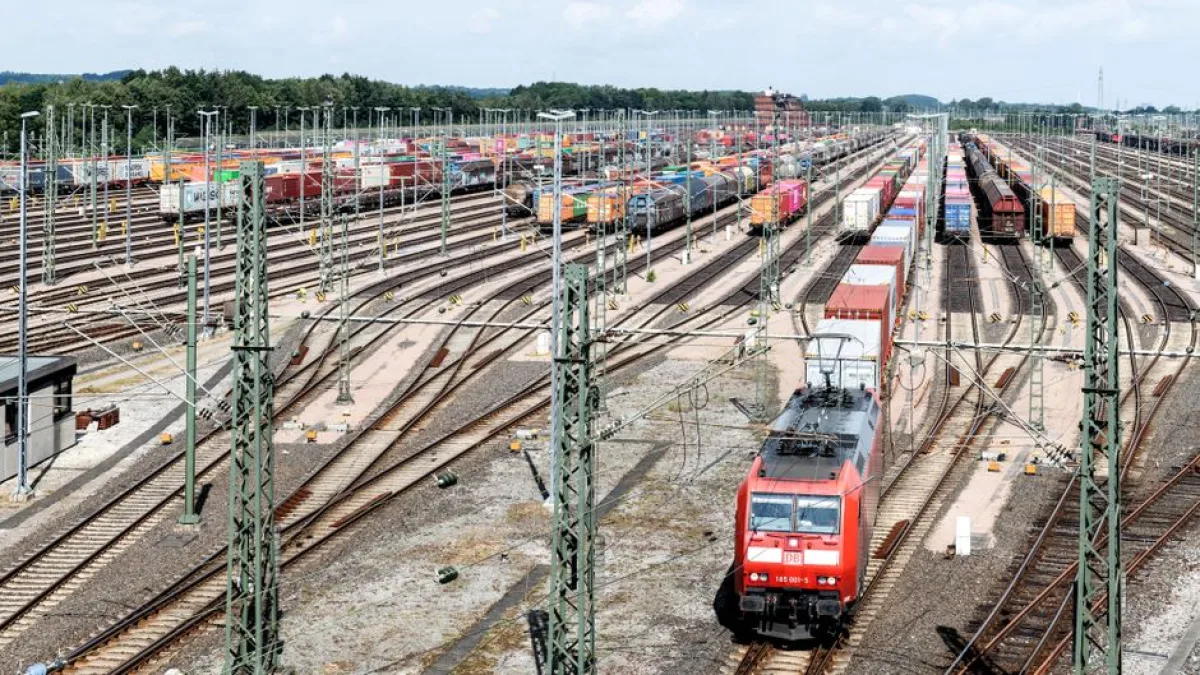
Optimizing your operations is a journey that requires the right technological foundation and a commitment to continuous improvement. By automating workflows, embracing transparency, and leveraging analytics, your freight forwarding business will achieve greater efficiency and scale. Start evaluating your internal processes today to see where digital integration can make the most impact. Choose tools that empower your team and deliver exceptional value to clients.