Optimizing Freight Forwarding Efficiency Through Digital Transformation
Saturday, September 19 2026

Modern freight forwarding is undergoing a profound shift as global supply chains demand greater speed and transparency. Forwarders are now moving away from legacy systems toward integrated cloud-based platforms to manage complex logistics operations. This transition is not merely about digitizing paper documents, but about creating a unified ecosystem where data flows seamlessly between carriers, agents, and customers. As competition intensifies, firms that adopt agile software solutions gain a distinct advantage by reducing manual overhead and minimizing human error. Embracing these advanced technological tools ensures that your business remains resilient, scalable, and fully prepared to navigate the volatile nature of international trade.
Automating Routine Documentation

Streamlining document handling is essential for maintaining a high velocity in freight operations. By automating the creation of bills of lading and commercial invoices, teams can eliminate repetitive data entry tasks that frequently lead to costly mistakes and delays.
- Eliminate manual entry: Implementing automated document generation tools allows your team to populate shipping forms directly from customer databases to significantly reduce the time spent on tedious administrative data tasks.
- Minimize human error: Automated validation checks ensure that every piece of information matches regulatory standards, preventing common mistakes that often lead to shipments getting stuck at customs border crossings.
- Centralized document storage: Keeping all vital shipping records within a single cloud platform ensures that every authorized team member can access the latest versions of critical files at anytime.
- Improved audit compliance: Digital systems automatically maintain a detailed history of document changes, which simplifies the process of providing necessary records to auditors and regulatory bodies when required.
By shifting focus from manual typing to high-value client communication, forwarders can significantly increase their daily processing capacity. This transition fosters a more professional environment where agents focus on solving logistical puzzles rather than filling out repetitive forms. As digital accuracy becomes the norm, your reputation for reliability will attract more loyal clients who value precision and speed in every single shipment handled.
Real-Time Cargo Visibility
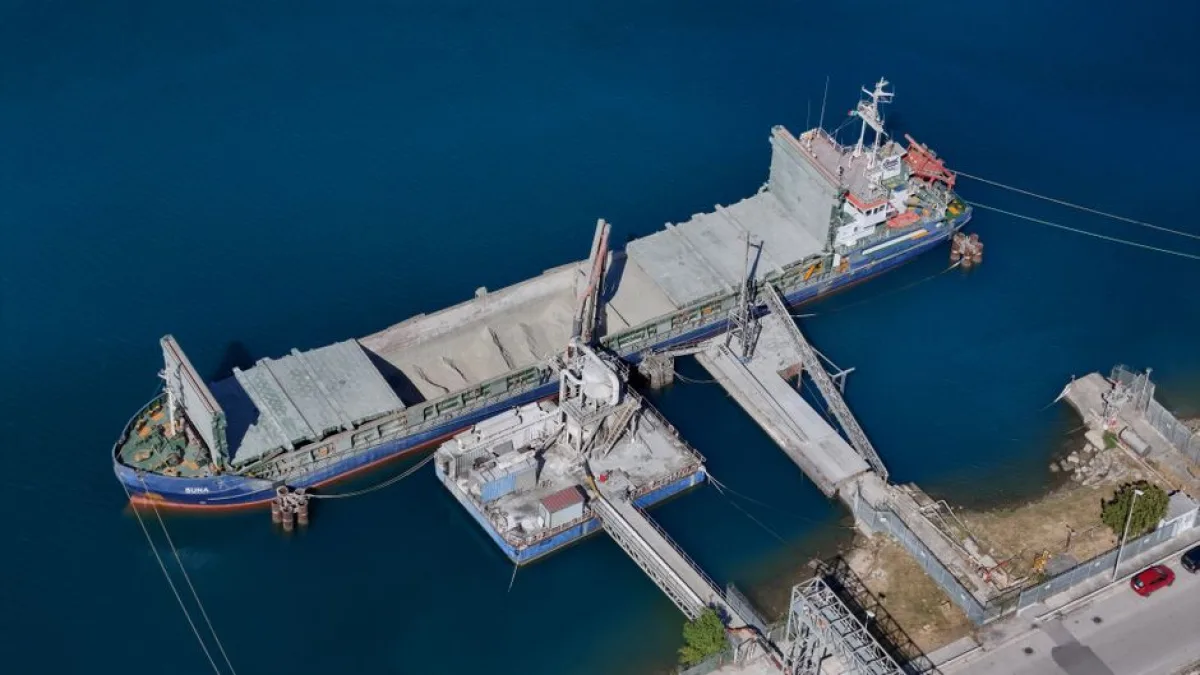
Providing clients with live updates is no longer a luxury but a baseline expectation. Integrating GPS and carrier tracking data directly into your operations dashboard offers complete clarity, enabling you to proactively manage exceptions before they turn into major problems.
- Live tracking updates: Integrating API feeds from major carriers provides your operations team with real-time status updates on every shipment moving across the ocean or through air corridors.
- Proactive delay alerts: Automated notification systems warn your staff of potential disruptions early, allowing you to suggest alternative routes or carriers to keep your clients cargo on track.
- Transparency builds trust: Providing your customers with a dedicated portal for monitoring their own freight reduces the volume of repetitive status update requests flowing into your office.
- Data-driven performance tracking: Analyzing historical tracking data helps you identify which shipping lanes or carriers consistently meet deadlines, allowing for better vendor selection in your future negotiations.
Total transparency empowers your team to act as proactive consultants rather than reactive customer support representatives. When clients can see the status of their cargo without having to call your office, they feel more confident in your services. This high level of service differentiates your freight forwarding business in a crowded market and builds long-term partnerships based on mutual trust and data.
Streamlining Financial Workflows

Integrating invoicing and accounting into your freight platform prevents revenue leakage and speeds up cash flow. Automated billing ensures that costs are captured accurately and customers receive invoices immediately after a milestone is reached to improve your overall collection rates.
- Faster billing cycles: Linking freight milestones to automated invoicing triggers ensures that your finance team sends bills to clients as soon as a shipment reaches its destination point.
- Expense tracking precision: Capturing every incidental cost during the shipping process allows for accurate profit margin analysis on every file, helping you identify which customers are profitable.
- Integrated currency conversion: Managing multiple global currencies within one financial module prevents losses associated with manual conversion mistakes during the invoicing of international shipping charges and local fees.
- Seamless payment reconciliation: Automated tools match incoming bank payments against outstanding invoices, which reduces the manual workload for your accounting staff and helps maintain cleaner financial ledger records.
Optimizing your financial workflow is critical for maintaining healthy cash flow in the fast-paced world of logistics. By removing the lag between shipment completion and final invoicing, you gain better control over your company finances. Efficient billing processes ensure that your operations remain profitable and that you have the necessary capital to invest in further growth and new technology upgrades.
Enhancing Communication Channels

Effective communication is the glue that holds global logistics together. Moving away from scattered email chains toward integrated messaging within your freight software creates a clear audit trail for every conversation and ensures that all stakeholders remain fully informed.
- Unified message history: Keeping all client communication inside your platform ensures that everyone has full context, which prevents the common confusion caused by disconnected email threads and phone calls.
- Internal team chat: Providing a dedicated space for your operations staff to discuss shipment details internally improves coordination and speeds up the resolution of complex logistics issues.
- External client portals: Enabling clients to ask questions directly within their shipment profile keeps communication professional, organized, and tied to the specific cargo being moved at that moment.
- Centralized file sharing: Securely sharing sensitive shipping documents within the platform avoids the security risks associated with sending documents through insecure email attachments or third-party file transfer services.
When communication is centralized and context-aware, your team operates with significantly higher efficiency. By eliminating the constant hunt for lost information in email inboxes, you empower your staff to respond faster and more accurately. Improved coordination leads to smoother shipments, happier clients, and a more cohesive team culture. These small changes in communication habits ultimately drive massive gains in operational performance and overall service quality.
Conclusion
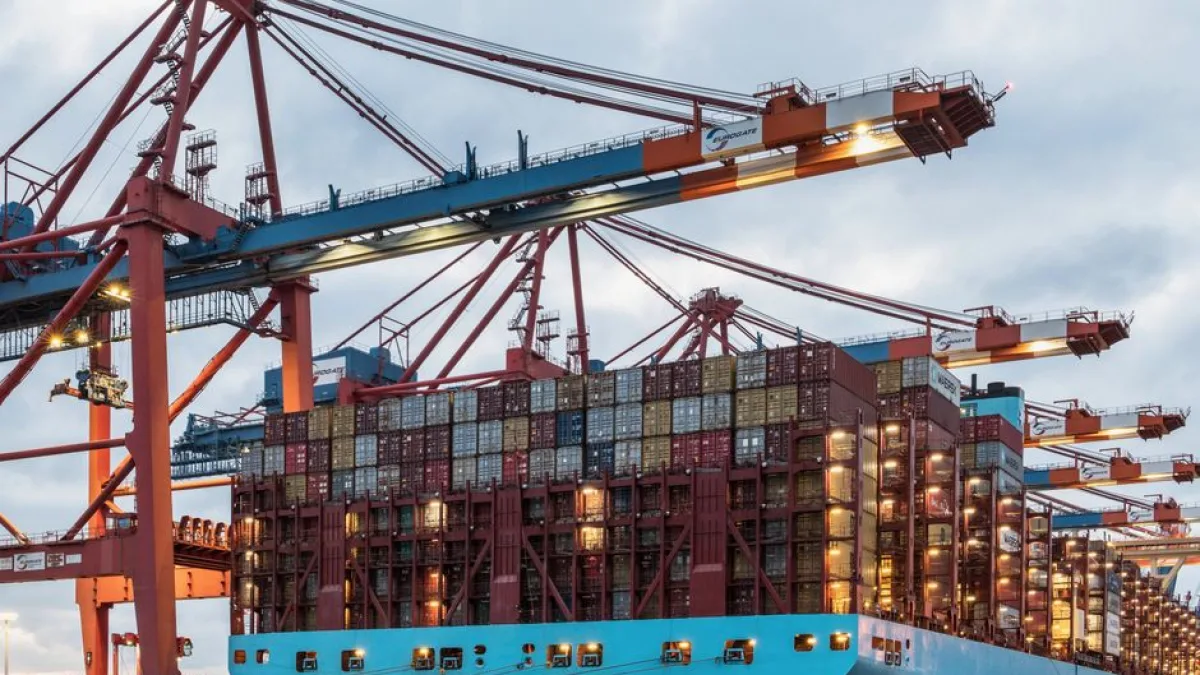
Adopting an integrated cloud-based platform is the most effective way to modernize your freight forwarding operations. By focusing on automation, real-time visibility, financial precision, and clear communication, your business can achieve new levels of productivity. Start your digital transformation journey today to streamline your logistics workflows and position your company for sustained success in a competitive global market. Efficiency is the ultimate competitive advantage.