Optimizing Freight Forwarding Efficiency in the Digital Age
Thursday, October 1 2026
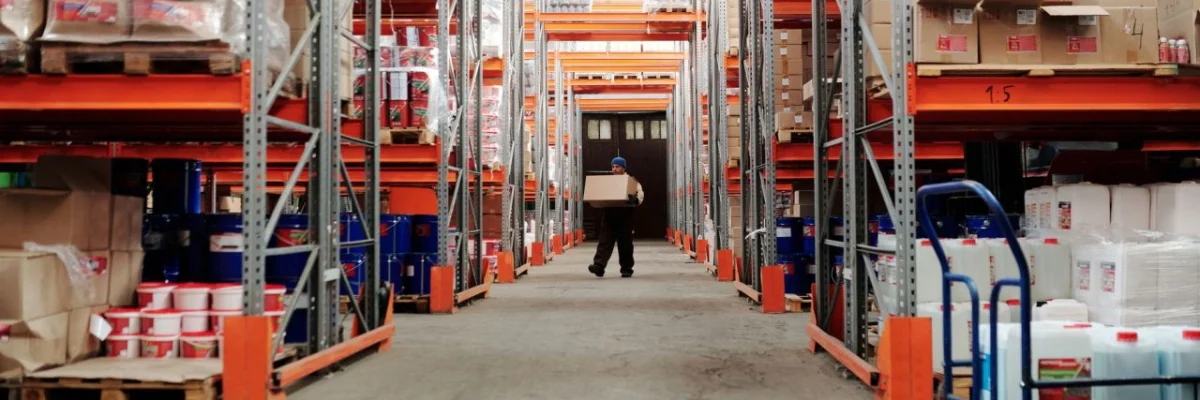
Modern freight forwarding is an increasingly complex landscape that demands high precision and rapid communication. As global trade volumes fluctuate, logistics companies must leverage advanced digital tools to maintain a competitive advantage while meeting rigorous client expectations. Efficiency is no longer just about moving boxes from one location to another, but about orchestrating data, relationships, and compliance across diverse international borders. By adopting modern software solutions and refining operational processes, forwarders can minimize delays, reduce overhead costs, and build stronger relationships with their partners. This guide explores the essential best practices required to streamline your logistics operations and thrive in the current market environment.
Leveraging Automated Documentation

Documentation is the lifeblood of international shipping, yet manual processing frequently leads to costly human errors and delays. Automation allows teams to streamline these critical workflows, ensuring that all customs forms and manifests are accurate before they ever reach a port authority.
- Centralized document repository: Establish a single digital location for all shipping documents to ensure that team members have instant access to the latest versions without searching through email chains.
- Auto-fill form integration: Utilize software that automatically populates repetitive fields across multiple forms to reduce data entry time and eliminate the risk of simple typographical errors during customs processing.
- Real-time compliance validation: Implement automated checks that flag missing information or regulatory discrepancies immediately, allowing your staff to correct potential issues before they cause significant bottlenecks at border control.
- Optical character recognition: Adopt scanning technology that converts paper documents into machine readable data, enabling faster processing times for bills of lading and invoices across your entire logistics network.
Adopting automated documentation practices empowers your workforce to shift their focus from repetitive data entry to high value customer service tasks. By minimizing the time spent on administrative burdens, your firm can process a higher volume of shipments without increasing head count. This shift toward digital efficiency reduces the potential for costly fines while significantly improving the overall turnaround speed for your global shipping operations.
Building Strong Carrier Relationships
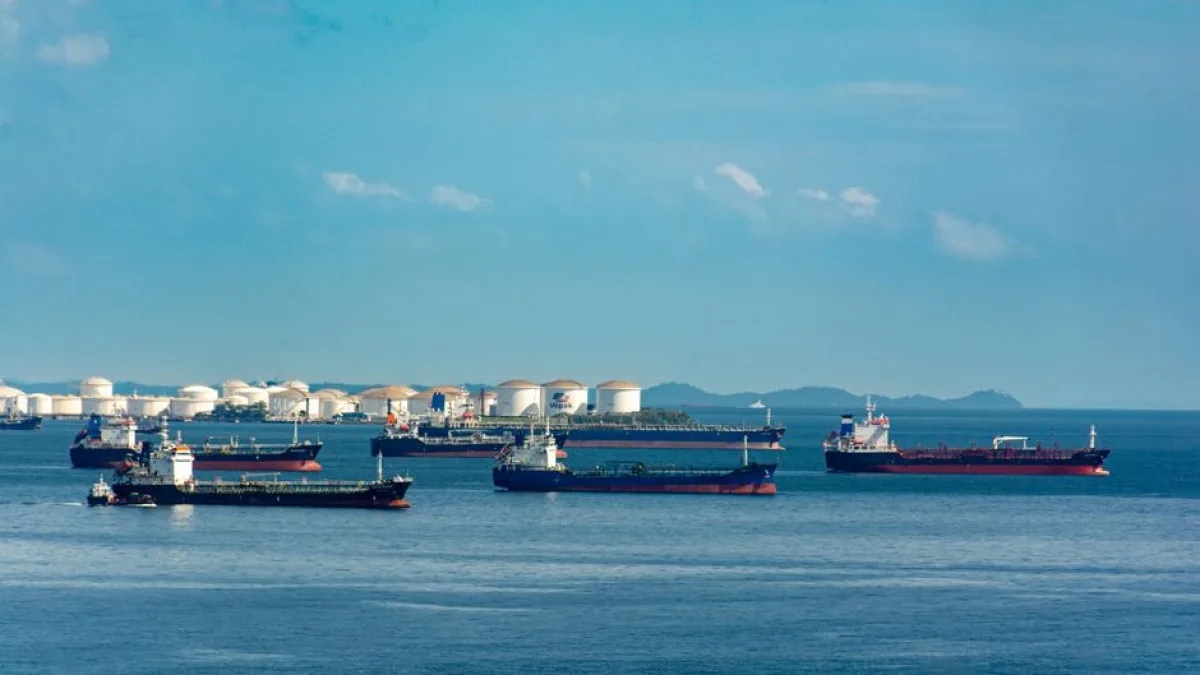
Freight forwarders depend heavily on their network of carriers to deliver consistent service levels to customers. Maintaining transparent and frequent communication with these partners creates a foundation of trust that proves invaluable during peak seasons or when sudden supply chain disruptions occur.
- Transparent performance metrics: Share clear performance data with your carrier partners to foster a culture of accountability and encourage them to consistently meet your service level agreements every time.
- Digital booking portals: Provide your carriers with access to streamlined booking systems to simplify the scheduling process and reduce the time spent coordinating via telephone calls and emails.
- Collaborative feedback loops: Create formal channels for feedback where both your team and the carriers can discuss operational challenges openly to identify opportunities for improved long term cooperation.
- Predictable volume forecasting: Provide your primary carriers with consistent volume estimates to help them optimize their own route planning and secure better equipment availability for your upcoming shipping projects.
Nurturing professional relationships with your carrier network is an essential strategy for managing capacity during high demand periods. When carriers view your business as a preferred partner, they are much more likely to prioritize your freight during times of constrained space. This partnership approach results in more reliable service for your end customers and helps protect your margins against sudden market price spikes.
Harnessing Real-time Shipment Tracking
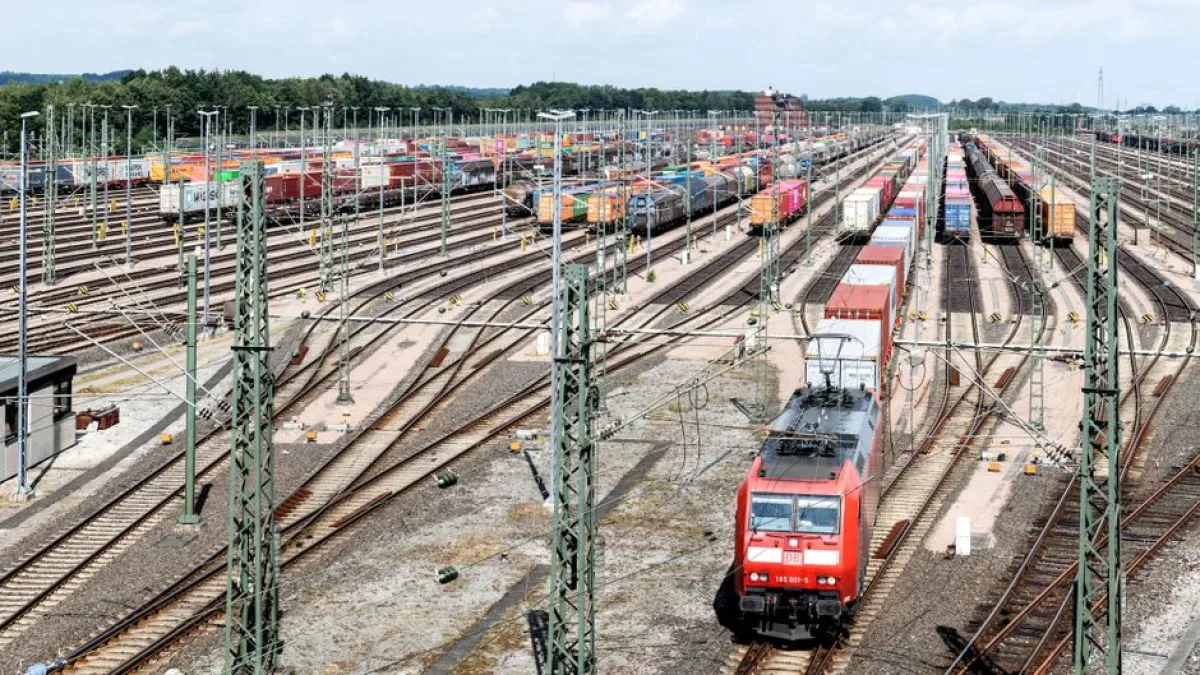
Visibility is a top priority for modern shippers who expect instant updates on the status of their high value cargo. Providing real time tracking capabilities transforms the customer experience and reduces the volume of status inquiries your support team must handle manually.
- Automated status updates: Configure your software to push automated tracking notifications to your clients whenever a shipment reaches a key milestone like customs clearance or final delivery dispatch.
- Geofence monitoring alerts: Implement advanced tracking sensors that alert your team when a shipment deviates from its planned path or experiences an unexpected delay at a specific location.
- Interactive client dashboards: Create a secure web portal where your customers can log in to view the current status of their entire pipeline without needing to contact representatives.
- Predictive delay analytics: Use historical data to anticipate potential transit delays based on weather patterns or port congestion, allowing you to inform your customers before the issues arise.
Delivering exceptional visibility reduces customer anxiety and fosters long term loyalty in a competitive market. By providing your clients with a transparent view of their supply chain, you demonstrate professionalism and reliability. This proactive communication style decreases the workload for your support staff, allowing them to dedicate more time to resolving complex logistical challenges rather than simply answering basic status requests.
Implementing Robust Financial Workflows

Effective financial management is the backbone of any profitable freight forwarding business. From managing complex carrier invoices to streamlining the client billing process, keeping a strict control over cash flow is necessary to ensure long term operational sustainability and growth.
- Integrated billing systems: Sync your accounting software directly with your freight platform to ensure that costs incurred are automatically reflected on customer invoices without any manual reconciliation work needed.
- Automated credit monitoring: Monitor customer credit limits in real time to prevent the accumulation of bad debt and maintain a healthy cash flow throughout the entire financial year.
- Detailed margin analysis: Review profitability reports on every individual shipment to identify which routes or services are generating the highest returns and which might need pricing adjustments.
- Carrier invoice reconciliation: Use automated tools to match carrier invoices against original rate quotes to ensure that you are never overpaying for services due to hidden surcharges.
Taking control of your financial processes enables smarter decision making and better resource allocation across your freight forwarding company. By eliminating leaks in your billing and payment structures, you directly improve your bottom line performance. Consistently monitoring financial health allows your leadership team to invest in the right technologies, ultimately creating a more robust and scalable business structure for future expansion.
Conclusion
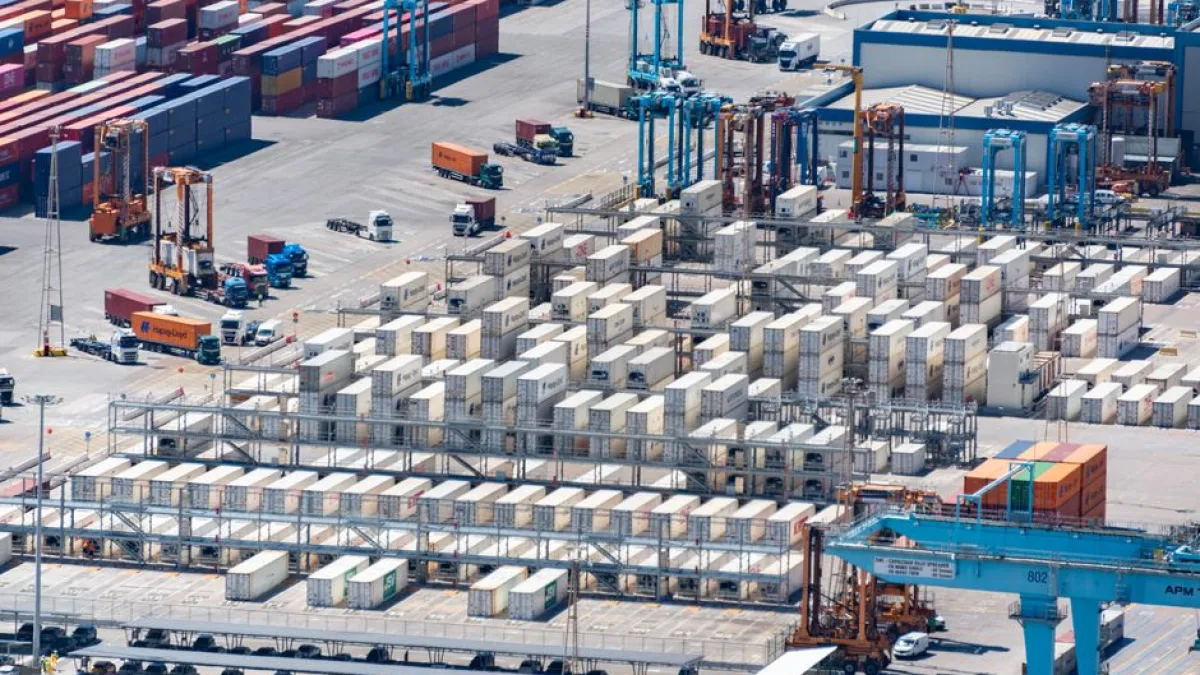
Success in the freight forwarding industry requires a strategic mix of advanced technology and strong operational discipline. By automating your documentation, prioritizing carrier relationships, providing real time tracking, and optimizing financial workflows, you position your firm for sustainable growth. Focus on these core pillars to ensure that your business remains agile and capable of delivering exceptional value to your customers in every single shipment.