Optimizing Freight Forwarding Efficiency with Modern Digital Tools
Friday, October 2 2026
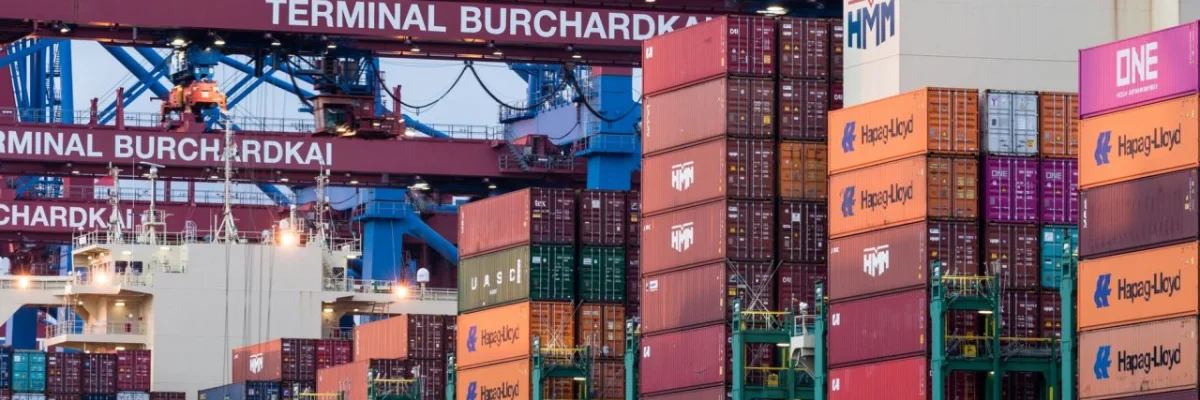
Modern freight forwarding is an increasingly complex ecosystem that demands extreme precision and real-time connectivity to survive today's volatile supply chain market. As global trade volumes fluctuate and customer expectations for visibility reach record highs, forwarders must pivot away from manual processes toward automated, data-driven solutions. By integrating cloud-based platforms, logistics professionals can reduce human error, enhance communication with carriers, and provide clients with the transparency they demand. Embracing technology is no longer just a competitive advantage, but a fundamental requirement for operational sustainability. This guide explores the essential best practices for scaling your business in the modern freight era.
Mastering Automated Documentation

Manual data entry remains a significant bottleneck that drains resources and invites costly errors. Automated documentation systems pull information directly from commercial invoices to generate shipping orders, ensuring that every detail is captured accurately without requiring repetitive human involvement or physical paper trails.
- Seamless Data Sync: Automated systems synchronize shipment data across multiple platforms to ensure that all stakeholders view the same information during every stage of the transit process.
- Reduced Manual Entry: Eliminating repetitive keyboard work allows your experienced team to focus on resolving complex exceptions rather than wasting hours on simple data transcription tasks.
- Standardized Filing Protocols: Consistent templates ensure that all customs declarations and bills of lading follow international compliance standards, preventing delays at borders and major transshipment ports.
- Error Detection Algorithms: Intelligent software scans every document for inconsistencies or missing signatures, flagging potential compliance risks long before they reach customs officials or carrier terminals.
Adopting automated workflows significantly improves your operational throughput and minimizes the risk of regulatory penalties. By migrating to a unified digital environment, your staff spends less time chasing files and more time delivering value to your customers. Investing in these technologies pays off through reduced operational costs and higher accuracy rates, which builds long term trust with your most critical shipping partners.
Enhancing Real Time Visibility
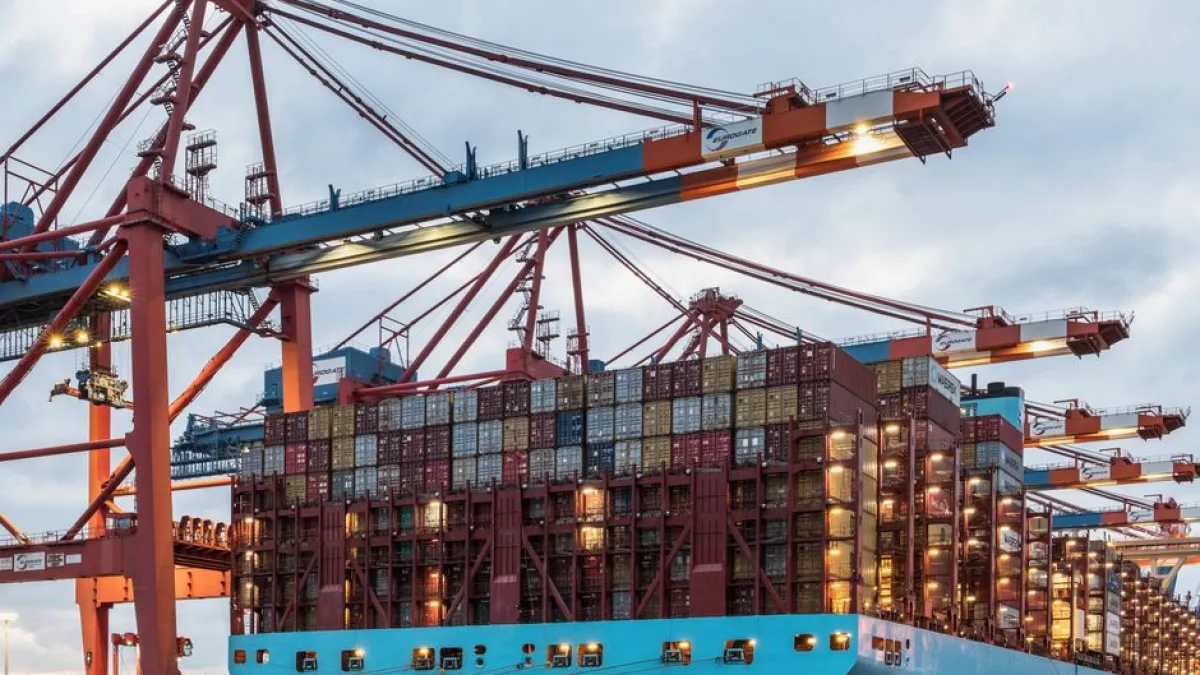
Customers now demand constant updates on their cargo locations, forcing forwarders to provide transparency throughout the entire journey. By deploying integrated tracking solutions, you can offer clients a live portal to monitor their goods, which significantly reduces incoming status inquiries.
- Live Tracking Integration: Connecting your dashboard with live carrier APIs provides instantaneous updates on container locations, moving your operations beyond outdated and slow email-based status reports.
- Automated Client Alerts: Triggered notifications inform your customers automatically when their cargo crosses specific geographical milestones, keeping them informed without requiring manual intervention from your customer service team.
- Predictive Delay Analytics: Advanced platforms analyze weather data and port congestion trends to predict arrival delays, allowing you to proactively manage client expectations before issues arise.
- Interactive Customer Portal: Providing a dedicated portal empowers your clients to view their shipment history and current status anytime, fostering deeper loyalty and superior professional transparency.
Real-time visibility is the most effective way to distinguish your services in a saturated freight forwarding market. By empowering your clients with accurate data, you stop answering repetitive phone calls and start acting as a strategic consultant. This shift in operational focus builds professional authority and ensures that your agency remains the preferred partner for complex global logistics projects.
Standardizing Communication Channels

Fragmented communication across email, phone, and messaging apps often leads to misaligned priorities and lost information. Establishing a centralized communication hub ensures that every internal team member and external partner has a single source of truth for every shipment file.
- Centralized Activity Logs: Keeping all correspondence attached to the relevant shipment file ensures that every team member can step in and assist clients without needing context.
- Structured Internal Messaging: Using in-platform chat tools keeps discussions organized by project, preventing critical shipment notes from becoming buried in personal email inboxes or group threads.
- External Partner Portals: Giving carriers and truckers access to specific task modules minimizes friction, ensuring everyone understands their responsibilities and deadlines within the logistics chain.
- Archived Audit Trails: Detailed communication history provides a bulletproof record in the event of insurance disputes or supply chain claims, protecting your firm from liability.
Unified communication practices create a cohesive working environment where information silos simply cannot exist. When your team shares a common digital workspace, collaborative efficiency reaches new levels of productivity and speed. By removing the guesswork from internal updates, you minimize the risk of costly misunderstandings and ensure that every person involved in the freight process is working toward the same goal.
Prioritizing Cyber Security Protocols

The digitization of freight logistics brings inherent security risks that require robust defense measures. Protecting sensitive customer data and financial information is a critical duty for every modern forwarder, as cyber threats become more sophisticated in the global transport sector.
- Multi Factor Authentication: Requiring unique codes for every user login adds a layer of essential protection, ensuring that even stolen passwords cannot grant unauthorized system access.
- Encrypted Data Transmission: Using end-to-end encryption for all shared documents keeps your client information safe from interception while moving between different international networks and digital platforms.
- Regular Security Audits: Conducting periodic check-ups on your digital infrastructure identifies potential vulnerabilities before they are exploited, keeping your data protected against evolving global digital threats.
- Staff Security Training: Teaching your team to recognize phishing attempts and suspicious links prevents human error from becoming the weakest link in your organizational data security.
Securing your digital ecosystem is vital to maintaining your reputation as a reliable and professional logistics provider. Clients trust you with their business and their data, so maintaining stringent security standards is essential for long-term growth. By proactively addressing these risks, you safeguard your business assets and provide peace of mind to the companies relying on your expertise and services.
Conclusion

Transforming your freight forwarding business through digital innovation requires a consistent commitment to modern processes and smarter software usage. By focusing on automation, transparency, and data security, you build a foundation that supports scaling operations and high-quality service levels. Start by reviewing your current workflows to identify bottlenecks and implement small, incremental changes today. Modernizing your approach ensures your firm remains relevant and highly profitable.