Optimizing Freight Forwarding Efficiency in the Digital Age
Saturday, October 3 2026
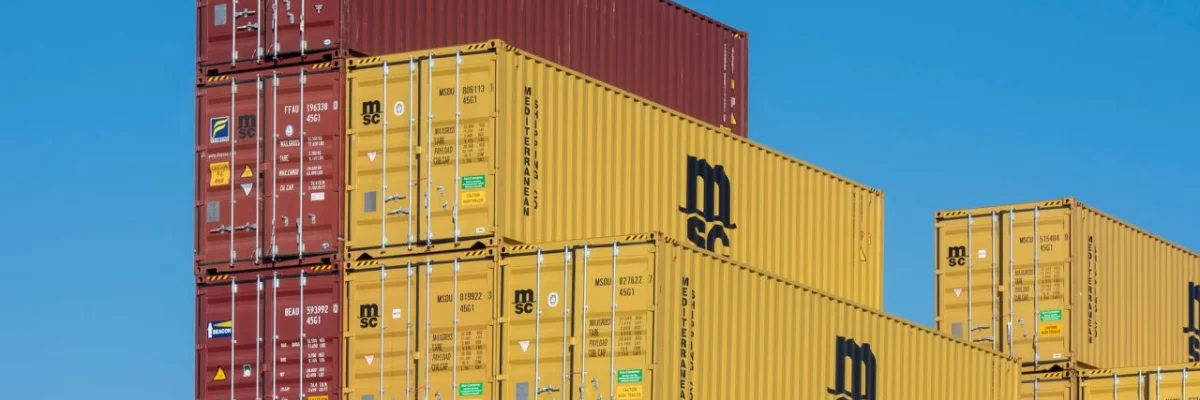
Modern freight forwarding requires a delicate balance of speed, accuracy, and regulatory compliance in an increasingly volatile global market. As logistics providers face rising client expectations for real-time transparency, the manual processes of the past are becoming significant bottlenecks. Adopting cloud-based platforms is no longer a luxury but a fundamental necessity for businesses aiming to scale operations effectively. By integrating advanced technology into daily workflows, forwarders can reduce human error, enhance communication across the supply chain, and ultimately provide superior value to shippers. This guide explores essential best practices to refine your logistics operations and maintain a competitive advantage today.
Streamlining Documentation Workflows

Digitizing your paperwork is the foundation of a modern logistics strategy. By moving away from physical filing systems, teams can access critical documents instantly, reducing delays and minimizing the risks associated with manual data entry or lost files during high-volume periods.
- Automated Data Capture: Implement OCR technology to extract information from bills of lading and invoices directly into your system, which eliminates manual entry errors and accelerates your overall processing speed.
- Centralized Cloud Storage: Maintain a single source of truth for all shipping documents that allows your team to collaborate in real-time regardless of their physical location or time zone.
- Standardized Filing Protocols: Create consistent naming conventions across all digital files to ensure that your staff can retrieve information in seconds rather than searching through cluttered server folders daily.
- Version Control Systems: Use automated version tracking to ensure that every team member works on the most recent document draft, preventing confusion or errors during the critical booking stage.
Efficient documentation management directly influences your bottom line by reducing administrative overhead and speeding up the billing cycle. When your staff spends less time chasing down physical paperwork or resolving discrepancies caused by manual entry, they can focus on high-value tasks such as customer relationship management and strategic freight planning, which ultimately leads to better retention rates and improved operational margins for your firm.
Enhancing Real-Time Tracking Capabilities
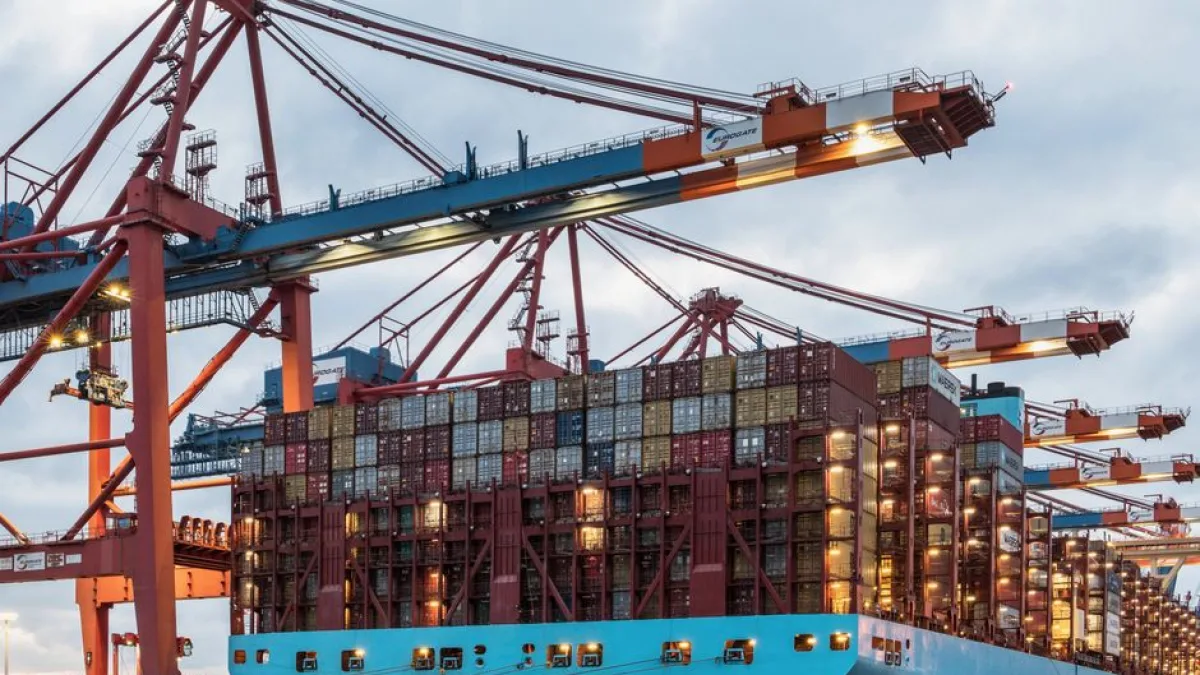
Providing visibility is the most requested service in modern logistics today. Clients want to know exactly where their freight is located without having to send multiple follow-up emails, which puts pressure on forwarders to provide automated, accurate tracking updates.
- Automated Status Alerts: Configure your software to send proactive notifications to customers whenever shipment milestones are reached, reducing the total volume of status inquiry emails you receive daily.
- GPS Integration Tools: Connect your platform with carrier APIs to pull live location data, ensuring that your tracking dashboard displays the most accurate information available for every vessel.
- Exception Management Alerts: Set up specific triggers that notify your team immediately when a shipment is delayed, allowing you to inform the customer before they realize a problem exists.
- Client Access Portals: Give your shippers direct login access to a branded dashboard where they can view shipment status reports independently, fostering trust and professional long-term partnerships.
Proactive communication serves as a powerful differentiator in a crowded market where service levels often dictate client loyalty. By utilizing technology to provide seamless visibility, you position your brand as a reliable partner that prioritizes transparency. This shift reduces stress for your internal support team and empowers your customers to plan their own inventory cycles more effectively, creating a mutually beneficial working environment.
Optimizing Vendor and Carrier Relations

Building strong relationships with your carriers is vital for securing space during peak shipping seasons. Your software should facilitate clear communication and reliable performance tracking to ensure that your preferred partners are always aligned with your business service goals.
- Performance Analytics Dashboard: Use your platform to track carrier lead times and damage rates, allowing you to make data-driven decisions when selecting partners for complex trade routes.
- Automated Rate Requests: Distribute RFQs to your network through a unified portal, which simplifies the comparison process and helps you secure the best market rates in seconds.
- Contract Management Tools: Store all carrier agreements digitally with expiration reminders to ensure you never miss a renewal window or operate under an outdated pricing structure.
- Feedback Loop Integration: Regularly share operational feedback with your partners to resolve recurring friction points, which fosters a more collaborative relationship and improves long-term service reliability for customers.
When you leverage data to manage vendor relationships, you gain significant leverage during rate negotiations and capacity planning sessions. Moving beyond simple transactional interactions allows you to build a resilient carrier network that supports your growth. This approach minimizes the impact of market fluctuations and ensures that your logistics operations remain agile even when faced with unexpected disruptions or sudden capacity shortages.
Ensuring Robust Regulatory Compliance

Navigating the complex landscape of international trade regulations requires extreme attention to detail. Compliance failures can lead to significant financial penalties, shipment seizures, and long-term reputational damage that impacts your ability to operate in specific global markets effectively.
- Automated Compliance Checks: Utilize built-in screening tools to verify every entity against international sanctions lists, preventing accidental violations during the booking and clearance process for high-risk regions.
- Digital Audit Trails: Maintain an immutable history of all changes made to a shipment record, which proves invaluable during official audits or when investigating past operational discrepancies.
- Integrated Customs Filing: Connect directly with national customs authorities through your software to submit declarations instantly, reducing the time shipments spend waiting at busy border crossings daily.
- Regulatory Update Notifications: Subscribe to automated industry alert services that update your system settings whenever trade laws change, ensuring your documentation formats always remain current and compliant.
Investing in compliance technology is an insurance policy for your freight forwarding business. By removing the manual burden of verifying codes and documents, you reduce the stress on your customs brokers and clearance staff. A system that automates the regulatory process ensures that your operations remain smooth and legal, allowing you to expand into new trade lanes with confidence and peace of mind.
Conclusion
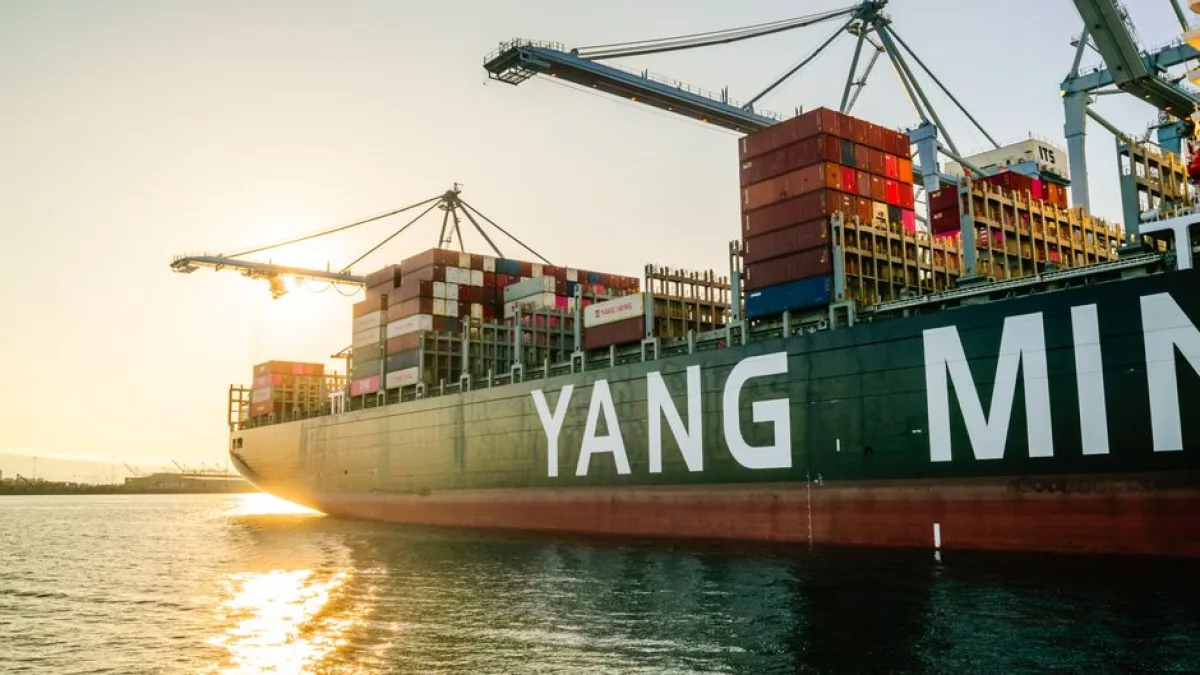
Scaling a freight forwarding business requires a combination of technology, strategy, and consistent execution. By digitizing documentation, automating tracking, improving vendor management, and prioritizing compliance, you build a foundation that supports long-term growth. Start implementing these best practices today within your MakeCargo environment to streamline your daily tasks and provide unmatched service quality to your clients, ensuring your future success in global logistics.