Optimizing Freight Forwarding Efficiency in the Digital Era
Monday, October 5 2026

Modern freight forwarding requires a delicate balance of speed, precision, and reliable communication to remain competitive in a volatile global market. As supply chain complexities grow, traditional manual processes often lead to costly delays and errors that frustrate both internal teams and your valued customers. By adopting cloud-based technology and refining internal workflows, forwarders can reclaim lost time and improve their overall profit margins significantly. This article explores essential strategies for enhancing operational efficiency, helping your business leverage digital tools effectively while maintaining the human element that keeps your logistics operations running smoothly every single day.
Streamlining Documentation Workflows

Digitizing your paperwork is the first step toward achieving a truly lean operation. Moving away from manual data entry allows your team to focus on high-value tasks rather than spending hours cross-referencing outdated spreadsheets and paper shipping documents.
- Automated Data Entry: Implement smart software that extracts information from scanned documents directly into your database to minimize human input errors and accelerate your document processing turnaround times.
- Centralized Document Storage: Store all shipping files in a secure cloud environment to ensure that your entire team can access vital documents from any location at any time.
- Electronic Signature Integration: Utilize digital signature tools to facilitate the rapid execution of legal contracts and shipping releases without the need for physical printing or mail couriers.
- Standardized Document Templates: Create uniform templates for bills of lading and commercial invoices to ensure consistency across all shipments while drastically reducing time spent on file creation.
- Automated Status Alerts: Trigger instant notifications to clients whenever a document is uploaded or updated to keep all stakeholders informed throughout the entire logistics lifecycle process.
By shifting your focus to digital documentation, you eliminate the bottlenecks that typically cause significant delays during peak shipping seasons. Your staff will spend less time chasing down physical paperwork and more time building strong relationships with clients. This fundamental transition allows for greater scalability and ensures that your operations remain compliant with the latest industry standards for international trade and data security.
Leveraging Real-Time Tracking Data
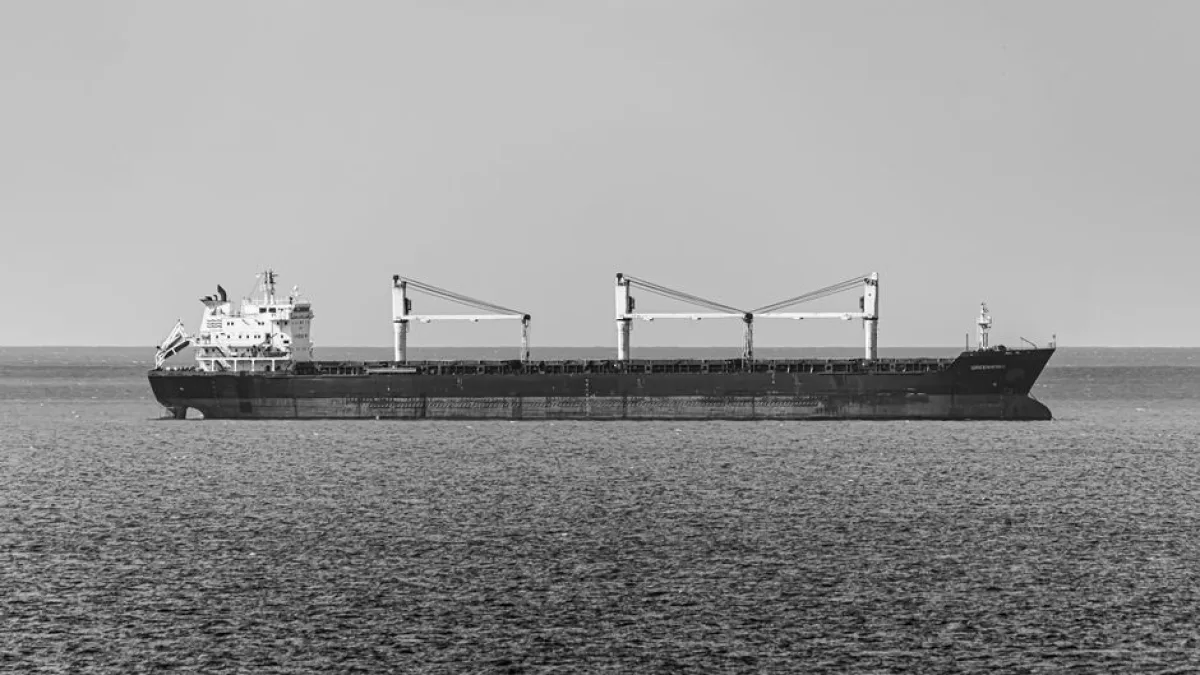
Visibility is the backbone of modern freight forwarding. Providing your clients with real-time updates regarding their shipment status creates immense trust and sets your firm apart from competitors who rely on outdated manual reporting methods for their updates.
- Integrated GPS Tracking: Connect your software directly to carrier APIs to provide live location data for every container while reducing the need for constant phone inquiries.
- Proactive Exception Management: Utilize automated alerts that notify your team immediately when a shipment deviates from its planned path so you can resolve issues before escalation.
- Customer Self-Service Portals: Offer your clients a dedicated online portal where they can view live updates on their cargo status to reduce incoming support email volume.
- Predictive Arrival Estimates: Use historical data and current transit conditions to provide your clients with accurate arrival estimates that help them manage their own inventory.
- Customized Reporting Dashboards: Develop personalized dashboards that show relevant shipping metrics and performance indicators to help your clients gain deeper insights into their supply chains.
Total transparency is no longer a luxury but a fundamental necessity in the global shipping industry. When you offer clients the ability to track their goods autonomously, you free up your internal resources to handle complex problem solving rather than routine inquiries. This strategic approach to data management turns your logistics services into a highly professional asset that clients will depend upon daily.
Managing Carrier Relationships Digitally

Maintaining strong partnerships with ocean, air, and road carriers is essential for securing space and competitive pricing. Managing these relationships through a digital platform ensures that all communication is logged and easily searchable for future rate negotiations or disputes.
- Centralized Rate Management: Organize all your carrier contracts and spot rates in one digital location to compare costs instantly and choose the best route for customers.
- Automated Rate Requests: Use built-in tools to send bulk quote requests to multiple carriers simultaneously to speed up your booking process during tight market conditions.
- Performance Analytics Tracking: Analyze carrier response times and service reliability data to identify your most dependable partners and negotiate better service level agreements moving forward.
- Digital Communication Logs: Keep every email and chat interaction linked directly to the specific shipment record to provide full accountability for all logistical decisions taken.
- Seamless Booking Integration: Link your internal freight software directly with carrier booking portals to push data instantaneously and confirm space reservations without any manual re-typing.
Strong carrier relationships are built on data-backed accountability and efficient communication cycles. By centralizing your interactions, you ensure that no detail is lost in a crowded inbox or miscommunicated during busy transit periods. This professional management style strengthens your bargaining power and ensures you secure better deals for your clients. Consistent digital record keeping also provides a clear history for evaluating long-term partnership success.
Enhancing Team Internal Communication

Internal efficiency relies on how well your team communicates. A cloud-based platform brings remote and office-based staff together, ensuring that everyone is working from the same set of data to prevent costly miscommunications regarding cargo details.
- Shared Shipment Notes: Use comment threads within individual shipment files so that every staff member involved can stay updated on specific tasks or customer requirements daily.
- Task Assignment Modules: Assign specific responsibilities to individual team members within your software to maintain clear accountability for every stage of the global freight shipment.
- Instant Team Notifications: Configure internal alerts to notify relevant departments whenever a critical status change or delay occurs to ensure rapid response and coordination efforts.
- Standard Operating Procedures: Build your internal training guides directly into the software interface to help new hires follow correct procedures without constant oversight from managers.
- Unified Activity History: Review the complete audit trail of every modification made to a shipment record to identify training opportunities or process gaps effectively today.
Effective team communication minimizes the risk of human error during complex logistics operations. When your staff uses a unified platform for all internal discourse, they become more proactive rather than reactive in their problem-solving efforts. This creates a cohesive work environment where knowledge is shared freely and goals are aligned. Ultimately, a well-coordinated team leads to higher customer satisfaction and better business results.
Conclusion

Success in freight forwarding hinges on your ability to embrace digital transformation. By streamlining documentation, improving visibility, managing partners effectively, and fostering internal team coordination, you position your firm for long-term growth. Use these best practices to refine your current workflows and start leveraging your freight software to its full potential. Your commitment to operational excellence today will secure your future competitive advantage tomorrow.