Optimizing Freight Forwarding Efficiency in 2024
Monday, October 5 2026
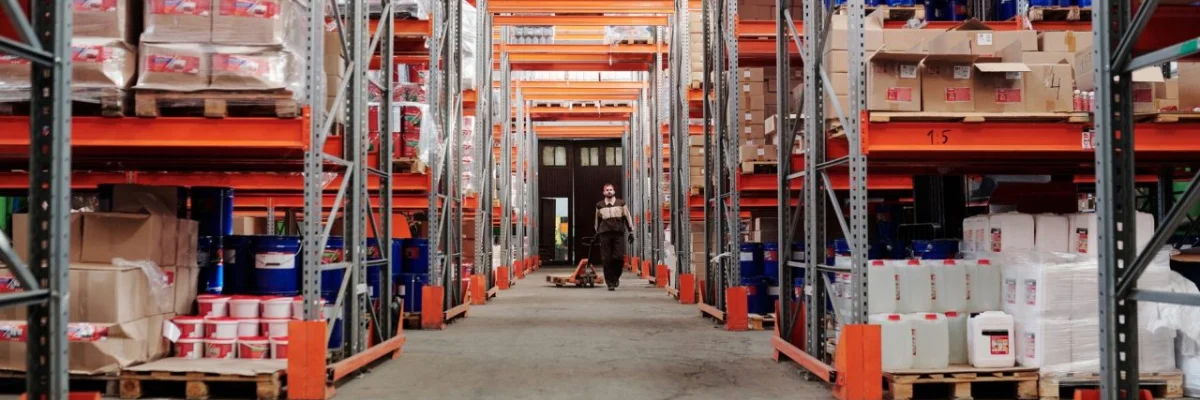
The global logistics landscape is changing rapidly as digital transformation becomes the standard for competitive freight forwarders. Modern professionals must balance customer demands for real-time visibility with the need for operational cost reduction. By leveraging cloud-based platforms, agencies can replace manual workflows with automated processes that drastically reduce errors and improve delivery timelines. This shift requires a strategic approach to technology adoption and a commitment to refining internal workflows. Success in this sector depends on your ability to adapt existing infrastructure to support scalable growth while maintaining the high service standards that clients expect in today's fast-paced international market.
Mastering Automated Documentation

Streamlining document management is essential for avoiding costly delays at customs and ports. Automated systems ensure that all shipping records remain accurate and accessible during complex cross-border movements, which significantly reduces the risk of human error in your daily paperwork.
- Centralized document storage: Keep every shipping invoice and bill of lading in a secure cloud repository that allows your team to access vital information from any global location.
- Automated data extraction: Utilize optical character recognition tools to scan documents automatically so your staff spends less time typing and more time managing client relationships and logistics.
- Real time validation: Implement software that automatically checks shipping documents against regulatory requirements to catch inconsistencies before they cause expensive hold-ups during the transit of your cargo.
- Digital signature integration: Speed up approval processes by using secure e-signature tools that eliminate the need for physical printing, scanning, or mailing of essential shipping agreements today.
Adopting these automated practices transforms how your agency processes heavy document loads during peak shipping seasons. By reducing the reliance on manual entry, you minimize operational fatigue and free up your skilled agents to focus on complex logistics challenges. This strategic investment in automation ensures your business maintains a high level of throughput while keeping data integrity at the forefront of every shipment.
Leveraging Real Time Visibility
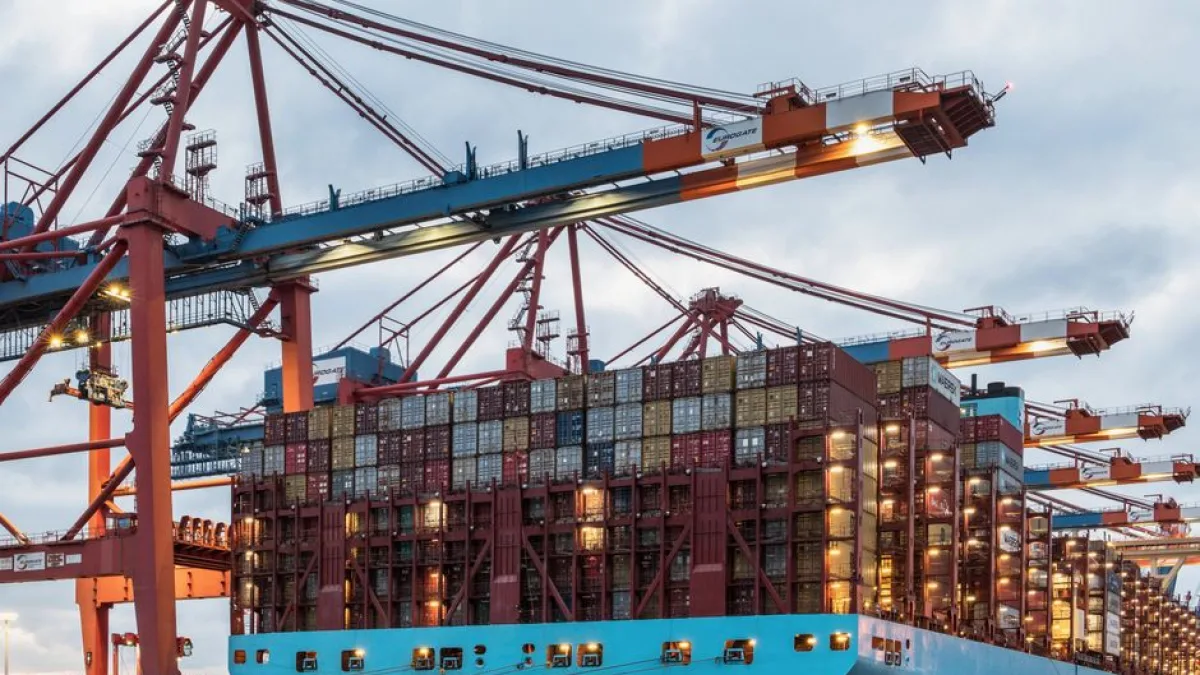
Clients now demand instant updates on the location and status of their containers throughout the entire shipping journey. Providing transparent data builds trust and improves the overall customer experience by keeping stakeholders informed at every single point of contact.
- Integrated tracking modules: Connect your platform directly with carrier APIs to provide your clients with accurate status updates that refresh automatically without needing manual manual status reports.
- Proactive anomaly alerts: Configure your software to send automated notifications the moment a shipment encounters a delay or unexpected route change so you can manage expectations.
- Custom client portals: Offer dedicated web dashboards where your customers can log in to view their own shipment timelines and download relevant documents whenever they need.
- Predictive arrival estimates: Use historical transit data to provide your clients with more accurate delivery windows that account for common port congestion or weather-related delays.
Transparency is the foundation of a modern freight forwarding business. When you provide clear insights into the movement of goods, you distinguish your agency from competitors who rely on traditional communication methods. Consistent updates prevent an influx of status request emails, allowing your team to focus on proactive problem solving. This level of service fosters long-term loyalty and enhances your professional reputation.
Streamlining Financial Workflows

Effective financial management is the backbone of a successful freight forwarding firm. Managing invoices, currency conversions, and agent settlements requires precision and speed to maintain healthy cash flow and ensure that all operational costs are covered promptly and accurately.
- Automated billing cycles: Set up recurring invoicing processes that trigger automatically upon shipment completion to ensure your agency gets paid faster while reducing administrative follow-up time.
- Multi-currency support systems: Use integrated financial tools that handle currency fluctuations automatically to protect your margins during international transactions involving diverse global markets and various regions.
- Dynamic cost analysis: Track every expense associated with individual shipments to gain deep insights into your profit margins and identify areas where costs could be optimized.
- Seamless payment reconciliation: Link your freight software with bank feeds to match payments against outstanding invoices automatically so your books remain current and audit-ready always.
Optimized financial workflows reduce the administrative burden on your accounting staff and prevent costly discrepancies in your ledgers. By integrating your operational data with financial systems, you create a holistic view of your business health. This allows for better decision making regarding future growth and resource allocation. Maintaining strict control over your finances is critical for navigating the complexities of international trade.
Optimizing Carrier Selection
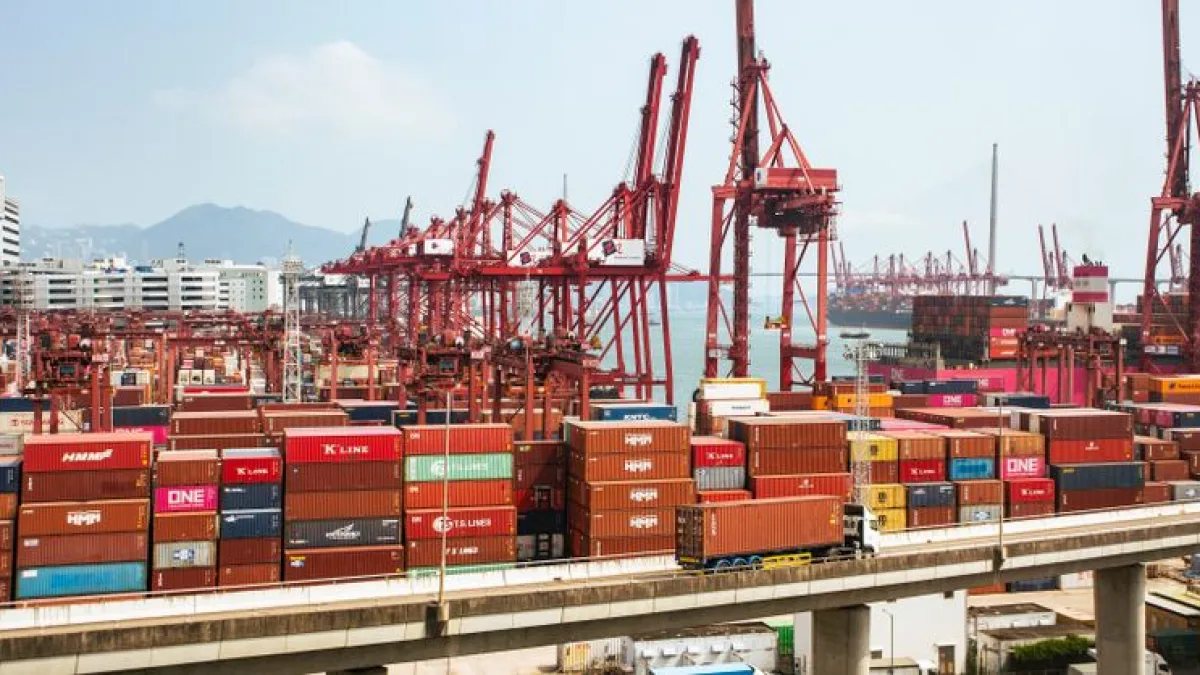
Choosing the right carriers based on performance, cost, and reliability is vital for maintaining a strong service network. Accessing comparative data helps you select the best transport options that meet your specific requirements while maintaining excellent margins on every shipment.
- Performance tracking metrics: Analyze historical data to identify carriers that consistently meet their deadlines so you can prioritize those partners for your most critical customer shipments.
- Dynamic rate benchmarking: Compare real time quotes from multiple providers to ensure you are securing the most competitive rates available for every route your company operates.
- Carrier compliance checks: Automate the verification of safety records and insurance credentials to ensure that every carrier in your network meets necessary international shipping standards consistently.
- Collaborative network tools: Use internal messaging features within your platform to negotiate rates and coordinate space directly with your carrier representatives for much faster project execution.
Smart carrier selection directly impacts your ability to deliver consistent results for your clients. By evaluating your network through a data-driven lens, you can eliminate underperforming providers and strengthen ties with those who consistently exceed expectations. This iterative approach to partner management ensures your shipping network remains robust and responsive to market changes, keeping your logistics business ahead of the competition.
Conclusion
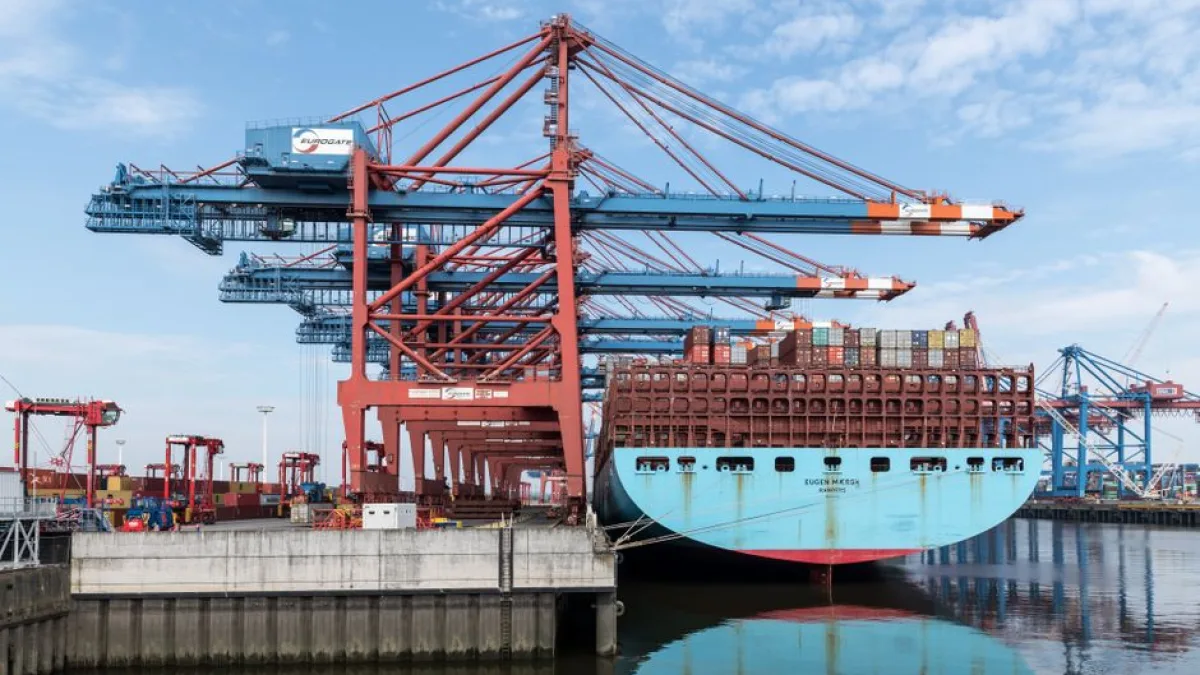
Refining your freight forwarding workflows is an ongoing process that demands the right digital tools and a commitment to operational excellence. By focusing on automation, visibility, financial precision, and carrier management, you position your agency for long-term growth. Start implementing these best practices today to simplify your daily tasks, increase your profitability, and provide the superior service that your clients expect and deserve.