Optimizing Freight Forwarding Efficiency with Digital Transformation
Friday, October 9 2026
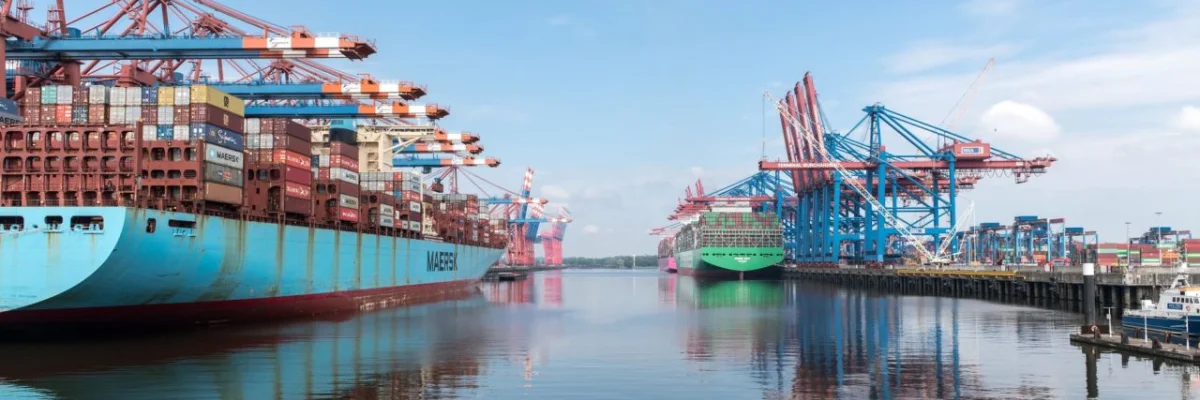
In the modern logistics landscape, freight forwarding professionals face unprecedented pressure to balance speed, accuracy, and profitability. As global supply chains grow more complex, the reliance on manual spreadsheets and disconnected communication channels becomes a significant barrier to success. True operational excellence requires a shift toward integrated cloud-based systems that provide real-time visibility and automated workflows. By adopting smart digital strategies, forwarders can minimize human error, reduce overhead costs, and elevate the overall client experience. This guide explores essential practices for forwarders aiming to streamline their internal processes and remain competitive in a rapidly evolving international trade environment.
Mastering Digital Documentation

Transitioning from paper based records to digital platforms is the most critical step for any forwarder aiming to increase speed. Digitizing documents allows for instant retrieval and ensures that every team member can access current shipment details from anywhere in the world.
- Centralized document management: Consolidate all invoices, customs forms, and bills of lading into a single searchable repository to eliminate the constant hunt for misplaced paperwork across different email threads.
- Automated data extraction: Utilize optical character recognition software to automatically pull critical information from supplier documents into your system, which drastically reduces manual entry errors and saves significant time.
- Standardized digital templates: Create uniform templates for all common shipping documents to ensure professional consistency across your entire team and speed up the preparation of standard client reports.
- Secure cloud storage: Implement robust cloud based storage solutions that offer enterprise grade security and data encryption to keep sensitive customer information safe from unauthorized access and cyber threats.
By removing the friction of paper workflows, your team can focus on higher value tasks like client relationship management and strategic planning. Investing in a digital repository not only saves time but also protects your business against the risk of losing important shipment files. As your freight forwarding business scales, these automated systems become the backbone of your operational success and long term growth.
Enhancing Real-Time Visibility
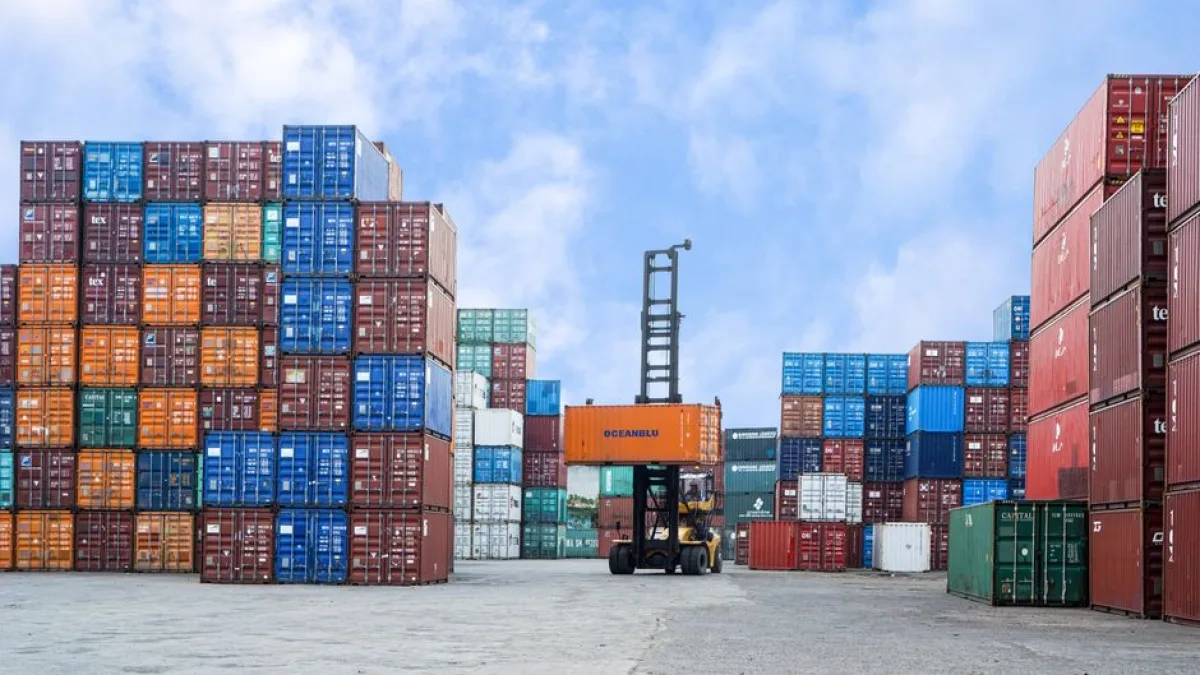
Customers today expect immediate updates on their shipment status without having to call or email your team. Providing transparent, real-time tracking through an integrated platform builds trust and differentiates your firm from competitors who rely on delayed manual updates.
- Automated tracking alerts: Configure your software to send proactive notifications to clients at key milestones, such as departure and arrival, to keep them informed without manual intervention.
- Client self service portals: Empower your customers to log into a secure dashboard where they can track their freight, download documents, and view status updates at their convenience.
- API data integration: Connect your platform directly with carrier systems to pull accurate tracking data automatically, ensuring that the information displayed is always current and completely reliable.
- Exception management tools: Use real-time alerts to identify shipment delays early, allowing your team to inform clients and find alternative solutions before the issue escalates into a problem.
Proactive communication through a digital portal transforms the customer experience from reactive to value adding. By giving your clients direct access to tracking data, you free up your internal team from answering routine status inquiries. This shift allows your staff to dedicate their time to solving complex logistics challenges, ultimately strengthening your reputation as a reliable and transparent freight forwarding partner.
Automating Financial Workflows

Managing billing and invoicing manually is prone to errors that hurt your cash flow and client relationships. Modern freight platforms automate the financial cycle, ensuring that quotes are accurate and invoices are sent to customers the moment cargo is cleared.
- Integrated billing systems: Link your shipping operations directly to your accounting software to ensure that every shipment cost is captured accurately and invoiced without any manual delays.
- Dynamic quote generation: Create professional and competitive quotes rapidly by pulling current freight rates and surcharges directly from your system into a clean, easy to read digital format.
- Automated payment reminders: Set up triggered emails that remind clients about pending payments, which helps maintain a steady cash flow and reduces the burden of manual debt collection.
- Currency management tools: Use built-in tools to handle multiple currencies and exchange rate adjustments automatically, ensuring your financial reporting remains accurate even during complex international shipment processing cycles.
Effective financial automation reduces the time between service delivery and final payment, which is essential for maintaining a healthy business. By minimizing the time spent on manual reconciliations and data entry, your finance team gains more time for strategic financial planning. These improvements lead to better cash flow management and provide a stable foundation for expanding your freight forwarding operations globally.
Optimizing Vendor Relationships

Building strong connections with carriers and agents is essential for securing better rates and reliable space during peak seasons. Maintaining organized records of vendor performance allows you to make informed decisions that benefit your bottom line and improve service levels.
- Vendor performance tracking: Monitor the transit times and reliability of your carriers to ensure that you are consistently working with the best partners in the industry today.
- Streamlined agent communication: Use integrated messaging tools to keep communication with overseas agents in one place, ensuring that nothing is missed during the transfer of shipment information.
- Centralized contact directories: Maintain an updated list of all your logistics partners and carriers to facilitate quick communication and ensure that your team always reaches the right person.
- Digital contract management: Store all carrier agreements and rate sheets in a centralized location to make it easy for your sales team to find competitive pricing instantly.
Strong vendor relationships are a significant competitive advantage in the logistics industry. By managing these partnerships through a digital platform, you ensure that your team always has access to the best rates and service providers. This organized approach helps you navigate market fluctuations and capacity issues with greater agility, ensuring that your clients receive high quality service regardless of the global market conditions.
Conclusion

The future of freight forwarding lies in the seamless integration of technology and professional expertise. By digitizing documentation, enhancing visibility, automating financial workflows, and nurturing vendor relationships, you create a robust framework for success. Implementing these best practices will not only drive operational efficiency but also provide a superior experience for your clients. Start upgrading your processes today to ensure your firm remains industry competitive.