Optimizing Freight Forwarding Efficiency with Digital Workflows
Monday, October 12 2026
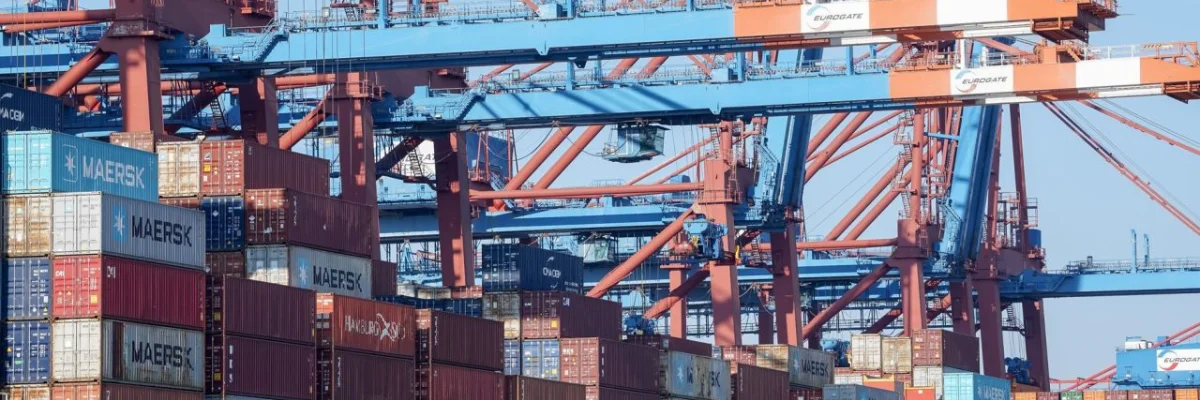
The global logistics landscape is undergoing a rapid transformation as digital integration becomes the standard for modern freight forwarders. Companies that rely on manual documentation and fragmented communication channels often struggle to maintain competitive margins in an increasingly volatile market. By leveraging cloud-based platforms, forwarders can gain real-time visibility into shipments, automate repetitive billing cycles, and enhance collaboration with global partners. This shift is not just about keeping pace with technological trends but about building a resilient operational foundation that thrives under pressure. Adopting these best practices allows teams to focus on strategic growth rather than getting stuck in administrative bottlenecks.
Streamlining Documentation Workflows

Digitizing your paperwork is the first step toward achieving a truly agile forwarding operation. By moving away from physical filing cabinets and scattered email attachments, your team can access vital shipping information from anywhere in the world, reducing lead times significantly.
- Centralized data management: Keeping all shipping documents in one cloud location ensures that your entire team stays synchronized and reduces the time wasted searching through outdated local folders or email threads.
- Automated form generation: Modern software tools automatically populate bills of lading and commercial invoices using existing shipment data to eliminate manual typing errors and speed up processing for every client.
- Secure document sharing: Encrypted portals allow for safe collaboration with carriers and customs brokers, ensuring that sensitive information remains protected while maintaining transparency across all stakeholders throughout the entire shipping process.
- Version control tracking: Maintaining a clear audit trail of document revisions prevents confusion and ensures that all parties involved are working with the most recent version of every important shipping file.
- Instant search capabilities: Powerful indexing features enable your staff to retrieve specific documents or historical data points in seconds, which helps in answering client inquiries without any unnecessary delay or frustration.
Adopting a digital-first approach to documentation transforms how your business manages high volume shipments. It eliminates the risks associated with lost paperwork and provides a reliable source of truth for your entire organization. As you reduce the overhead costs related to manual data entry, your staff can dedicate more time to resolving complex logistics challenges and improving the overall quality of your customer service delivery.
Enhancing Real-Time Shipment Visibility
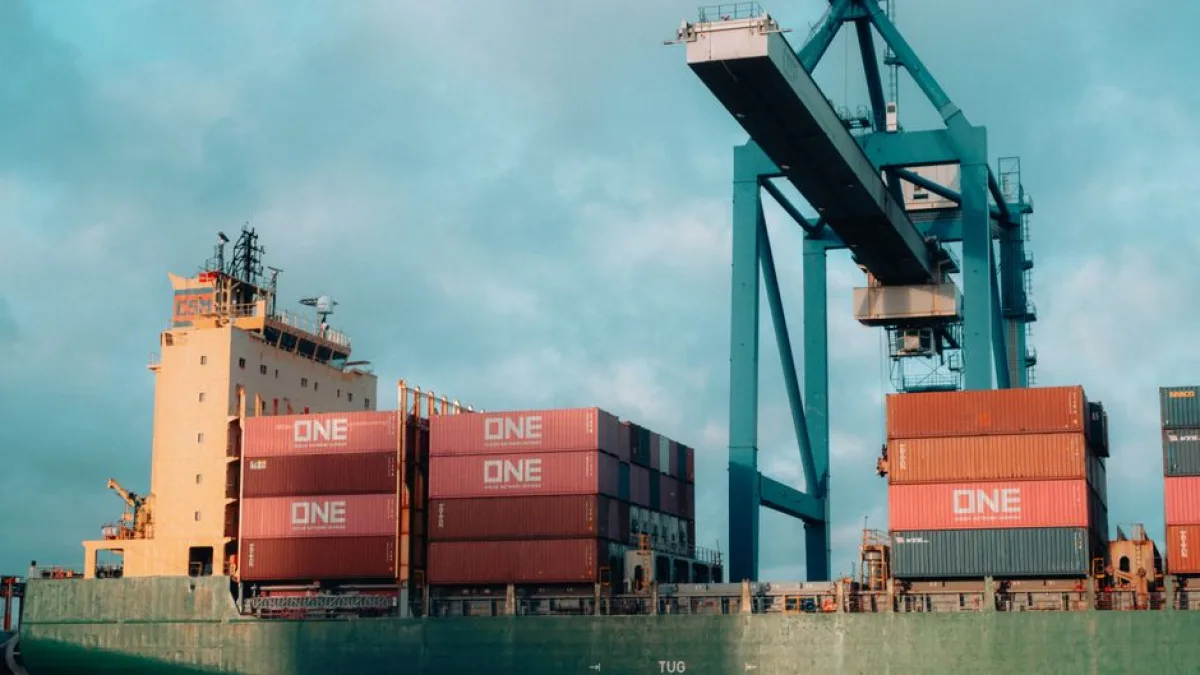
Visibility is the currency of the modern logistics industry. Clients expect instant updates regarding their cargo status, and providing this level of transparency is essential for building long-term trust and maintaining strong professional relationships in a highly demanding global marketplace.
- Live tracking updates: Integrating API connections with shipping lines provides your customers with precise location data, which keeps them informed and reduces the volume of status check emails you receive.
- Proactive delay alerts: Automated notification systems flag potential bottlenecks before they become major issues, allowing you to communicate effectively with clients and propose alternative solutions in a timely manner.
- Unified carrier portals: Aggregating data from multiple shipping partners into a single dashboard creates a seamless experience that simplifies the monitoring process for your dispatchers and your end clients.
- Customized client dashboards: Providing your customers with access to their own tracking interface boosts their confidence in your services and minimizes the need for direct manual reporting on every shipment.
- Historical data analysis: Tracking transit performance over time allows you to identify which carriers are meeting expectations, helping you make smarter vendor choices for future freight movements and logistics planning.
Real-time visibility acts as a bridge between operational efficiency and customer satisfaction. When you provide clear insights into the movement of goods, you transform the perception of your brand from a simple service provider into a strategic partner. This transparency not only helps in retaining existing clients but also serves as a strong competitive advantage when bidding for new business opportunities in the future.
Automating Financial and Billing Processes

Financial management in freight forwarding is often prone to human error and delays. Automating your billing cycle ensures that invoices are sent promptly and payments are tracked accurately, which is vital for maintaining a healthy cash flow across your business operations.
- Instant invoice creation: Linking shipment records directly to your accounting module ensures that bills are generated immediately upon arrival, which accelerates your payment cycles and improves overall cash flow stability.
- Currency conversion tools: Managing international freight costs requires precise calculation of exchange rates, and automated tools handle these complexities instantly to ensure accuracy in every single client invoice issued.
- Automated payment reminders: Setting up recurring triggers for pending payments reduces the need for awkward manual follow-ups, allowing you to maintain professional relationships while ensuring timely collection of all receivables.
- Integration with accounting: Synchronizing your freight software with platforms like QuickBooks or Xero eliminates redundant data entry tasks, saving your team hours of work every single business week.
- Detailed cost analysis: Automated reporting provides granular insights into profit margins for every shipment, enabling you to optimize pricing strategies based on actual costs rather than rough estimates.
Financial automation is an essential pillar for scaling your forwarding business successfully. By reducing the time spent on manual ledger updates and invoice tracking, your team gains clarity on the actual financial health of every shipment handled. This operational efficiency creates space for you to focus on high-level growth initiatives while ensuring that every transaction is processed with accuracy and speed throughout the year.
Strengthening Partner and Carrier Collaboration

Collaboration is the backbone of successful freight forwarding. Establishing smooth communication channels with your global agent network and carrier partners prevents misunderstandings and ensures that shipments move according to plan despite the many variables inherent in international trade operations.
- Shared communication hubs: Utilizing specific project boards for each shipment keeps conversations organized and ensures that everyone involved has the necessary context to make informed decisions without constant back-and-forth emails.
- Automated task delegation: Assigning specific duties to your partners via software platforms ensures accountability and clarity, reducing the risk of tasks falling through the cracks during busy peak seasons.
- Standardized data exchange: Establishing common data formats with your agents reduces friction and ensures that information flows seamlessly across borders regardless of the specific software systems that your partners use.
- Partner performance monitoring: Evaluating the responsiveness and reliability of your overseas agents helps you maintain a network of high-performing partners who contribute positively to your service quality and reputation.
- Feedback loop systems: Implementing regular digital review cycles encourages open communication with your partners, allowing you to refine your collaborative processes and solve recurring operational friction points quite effectively.
Building strong collaborative habits defines the difference between mediocre service and excellence in logistics. When your network operates as a cohesive unit, you can handle unexpected disruptions with grace and efficiency. Investing time in your relationships with partners, supported by clear digital tools, ensures that your freight forwarding business remains resilient, professional, and prepared for the challenges of a fast-paced global economy today.
Conclusion

Improving freight forwarding efficiency requires a commitment to digital transformation and continuous process optimization. By streamlining documentation, enhancing visibility, automating finances, and strengthening partnerships, you create a robust system that supports long-term growth. Embracing these best practices ensures that your firm remains competitive and responsive to client needs. Start implementing these changes today to build a faster, smarter, and more profitable logistics future for your company.