Optimizing Freight Forwarding Efficiency in 2024
Wednesday, October 14 2026

The global logistics landscape is evolving at a breakneck speed, forcing freight forwarders to move beyond manual processes and embrace digital transformation. As margins tighten and client expectations for real-time visibility soar, your operational backbone must be as agile as the supply chains you manage. Leveraging modern cloud-based software is no longer a luxury but a fundamental necessity for surviving market volatility and regulatory shifts. By centralizing data and automating routine documentation, forwarders can reclaim valuable hours, reduce human error, and refocus their energy on high-value client relationships that drive long-term business growth and sustainable competitive advantages.
Mastering Digital Documentation

Digital documentation serves as the nerve center for modern freight operations, ensuring that every piece of critical paperwork flows seamlessly between stakeholders. Transitioning from paper records to cloud platforms eliminates silos, prevents data loss, and accelerates the entire customs clearance process for every shipment.
- Automate data entry: Utilize intelligent scanning tools to extract information from invoices and packing lists directly into your system, effectively reducing manual typing errors and saving hours of repetitive work.
- Centralize cloud storage: Keep all shipping documents, insurance certificates, and compliance forms in one secure, accessible location to ensure your team has instant access during critical audit periods.
- Enable electronic signatures: Implement digital signature workflows to expedite the approval process for bills of lading and contracts, removing the need for physical courier services or tedious scanning tasks.
- Improve version control: Maintain a single source of truth by ensuring every team member works from the most current document version, eliminating confusion during urgent cargo transit updates.
Adopting a paperless strategy transforms your back office into a lean engine of productivity. When documents are digitized, searchable, and instantly shareable, your team spends less time hunting for files and more time solving logistical challenges. This shift not only lowers overhead costs but also drastically improves response times, ensuring your clients receive accurate documentation without the common delays associated with traditional paper-heavy administrative workflows.
Optimizing Real-Time Shipment Tracking
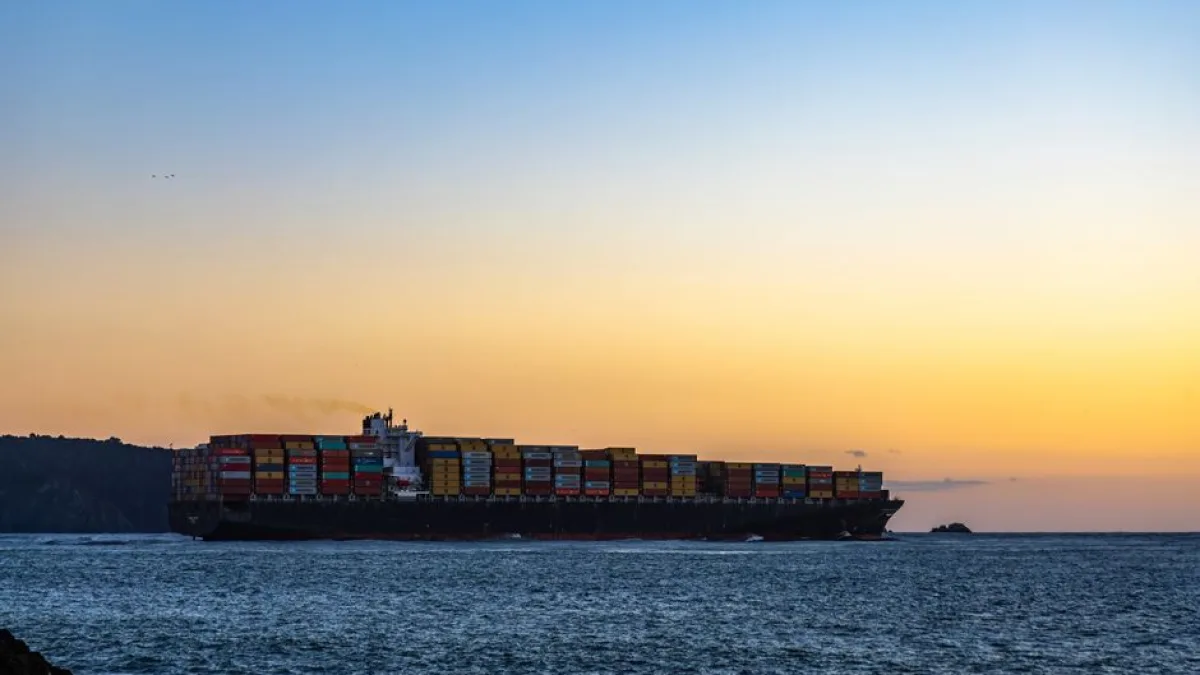
Visibility is the primary currency of the logistics industry, as clients demand precise information regarding the location and status of their cargo. Advanced tracking tools provide this transparency, allowing forwarders to proactively address delays before they impact the final delivery schedule.
- Integrate carrier APIs: Connect your software directly with shipping lines and trucking fleets to receive automated updates, which ensures that your platform displays the latest movement data immediately.
- Implement automated alerts: Configure push notifications to notify your customers automatically whenever a shipment changes status, reducing the need for constant manual email updates from your account team.
- Visualize shipment paths: Utilize interactive dashboard maps to monitor ocean and air freight routes, providing your team with a clear visual representation of global transit progress at all times.
- Proactive exception management: Set up threshold-based triggers that alert staff to potential delays, allowing you to suggest alternative routing options to customers before a minor issue becomes expensive.
Providing exceptional tracking capabilities strengthens the bond between you and your customers. By delivering reliable and immediate data, you foster a sense of trust that distinguishes your services in a crowded market. Automated visibility tools remove the stress of manual reporting, allowing your team to focus on strategic planning and problem solving while your clients enjoy peace of mind throughout the transit process.
Streamlining Financial Workflows

Managing complex financial transactions requires precision, speed, and strict adherence to fluctuating currency markets. By automating your billing and invoicing processes, you prevent revenue leakage and ensure that cash flow remains consistent even during periods of heavy international trade volatility.
- Automate invoice generation: Link your operational data directly to your accounting module to create invoices instantly, ensuring that all service charges and accessorial fees are billed accurately every time.
- Monitor profit margins: Track the profitability of every shipment in real time, allowing your managers to identify which trade lanes or service types generate the highest returns today.
- Standardize currency conversions: Integrate automated currency exchange tools to ensure that your multi-currency invoices reflect the most current market rates, reducing disputes and errors in international client settlements.
- Streamline payment collections: Offer online payment portals that allow your clients to settle invoices quickly, which significantly reduces your accounts receivable cycle and improves your overall operational cash flow.
Financial clarity is the foundation of a healthy freight forwarding company. Integrating your accounting systems with your operational platform provides a holistic view of your business performance. When financial data is clean and automated, you minimize the risk of human error in billing, thereby increasing client satisfaction and ensuring your company remains profitable while scaling operations effectively across diverse global markets and regions.
Enhancing Team Collaboration
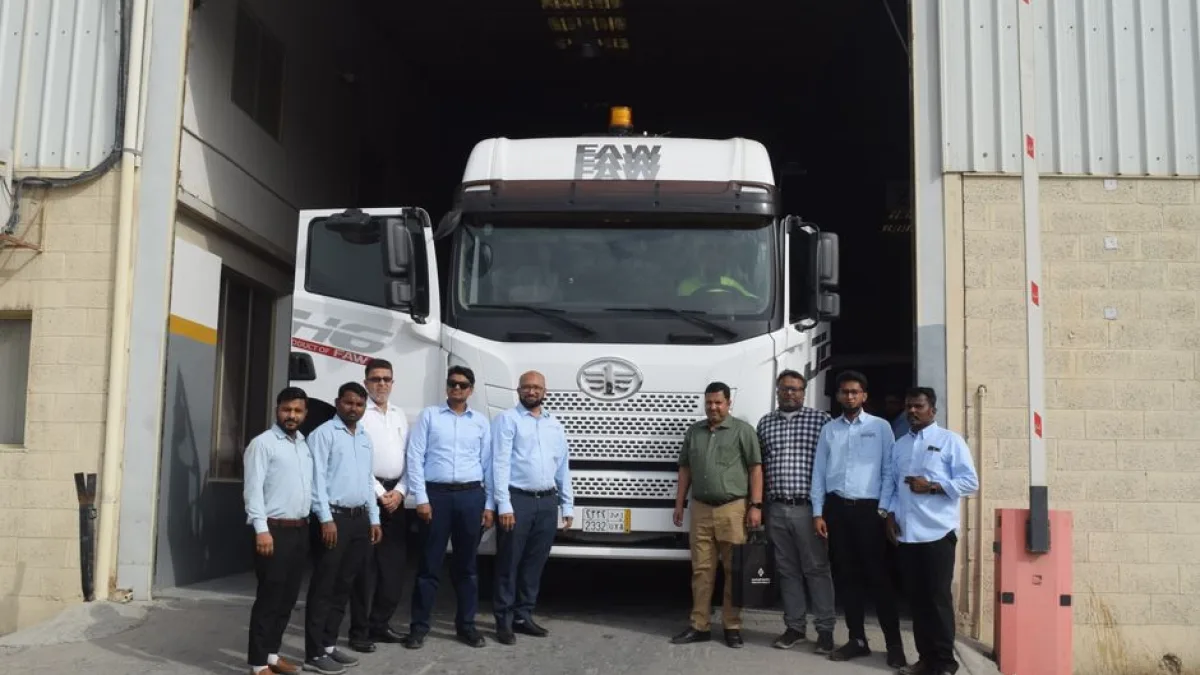
Success in logistics depends on how well different departments coordinate during high-pressure shipments. When your software encourages seamless communication, your team can resolve issues faster and ensure that operations run smoothly from the point of origin to the final destination delivery point.
- Assign task owners: Use built-in workflow management tools to delegate specific responsibilities for every file, which ensures that accountability is clear and no shipment falls through the cracks.
- Enable internal messaging: Foster collaboration by keeping all team communication within the context of specific shipments, preventing vital information from being buried in private email inboxes daily.
- Share real-time updates: Ensure that everyone from sales to operations sees the same status updates, creating a unified front that provides consistent answers to your valued customers.
- Build team knowledge: Create shared internal notes or case studies within your system to help staff learn from past experiences, fostering a culture of continuous operational improvement.
Effective collaboration is the glue that holds a modern freight business together. By providing your staff with the right communication tools, you empower them to handle complex logistics scenarios with confidence. This unified approach prevents errors, boosts morale, and ensures your team operates as a cohesive unit. Investing in your team collaboration processes creates a resilient workforce capable of handling any global supply chain challenge.
Conclusion

Optimizing your freight forwarding business requires a commitment to digital tools that prioritize efficiency and visibility. By modernizing your documentation, tracking, financial, and collaborative processes, you build a foundation for sustained growth. Start implementing these best practices today to streamline your daily operations and provide superior service. Embrace the future of logistics technology to ensure your company remains competitive, profitable, and highly valued by clients.