Optimizing Freight Forwarding Efficiency for Modern Logistics
Thursday, October 15 2026

Modern freight forwarding requires a delicate balance of speed, accuracy, and communication to remain competitive in a rapidly evolving global supply chain. As shipping volumes fluctuate and market demands shift, logistics professionals must adopt smarter strategies to maintain profitability while meeting client expectations. Manual processes and siloed data often become bottlenecks that hinder growth and lead to costly delays. By leveraging cloud-based platforms and standardized operating procedures, forwarders can reclaim their time and provide superior visibility. Embracing digital transformation is no longer an optional upgrade for survival, but a strategic necessity for any forwarder aiming to achieve sustainable operational excellence and long-term success.
Mastering Digital Workflow Automation

Transitioning from paper-based tracking to automated digital workflows significantly reduces the administrative burden on your team. By consolidating documentation and status updates into one unified cloud platform, you ensure that every stakeholder has immediate access to the most current shipment data.
- Real-time data synchronization: Integrate your logistics software with carrier APIs to automatically update tracking statuses and eliminate the need for manual data entry across multiple disparate supplier portals.
- Centralized document management: Store all bills of lading, commercial invoices, and packing lists in a secure, cloud-based repository accessible to authorized team members from any global location.
- Automated email notifications: Configure your platform to send triggered alerts to customers regarding shipment progress, reducing inbound inquiries and keeping clients fully informed throughout the entire lifecycle.
- Streamlined billing cycles: Automate the generation of freight invoices based on agreed-upon rates to ensure faster payment collection and improve overall cash flow for your logistics business.
Adopting these automated practices transforms how your team interacts with day-to-day operations. When repetitive tasks are handled by software, employees can focus on high-value activities like relationship building and strategic planning. This shift not only minimizes human error but also boosts morale by reducing mundane chores, ultimately leading to a more efficient and responsive freight forwarding organization that is prepared for growth.
Leveraging Advanced Shipment Visibility
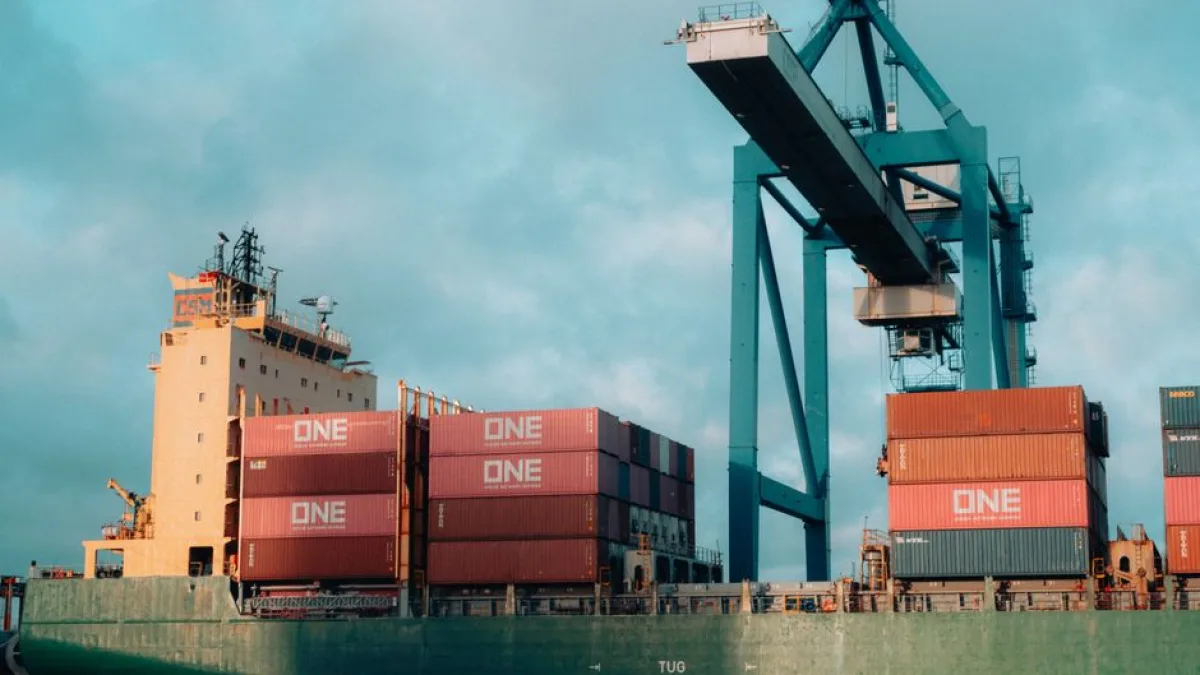
Providing clients with granular visibility into their cargo movement is the gold standard of modern service. Modern freight platforms offer tracking insights that allow forwarders to proactively manage risks and communicate potential transit disruptions before they negatively impact the bottom line.
- Interactive tracking portals: Offer your customers personalized dashboards where they can monitor live transit status and view historical data without needing to contact your support staff directly.
- Proactive delay alerts: Utilize automated notification systems to inform clients immediately of weather events or port congestion that may cause unexpected changes to delivery schedules or routes.
- Optimized routing decisions: Use historical performance data to select the best carriers and routes based on transit time reliability, cost effectiveness, and previous successful delivery experiences.
- Enhanced cargo transparency: Maintain accurate records of container contents and status, ensuring compliance with international regulations while providing peace of mind to importers and exporters alike.
Increased visibility acts as a powerful differentiator in the crowded freight market. By giving clients the tools they need to track their shipments in real time, you build immense trust and credibility. These insights empower your customers to manage their own inventories more effectively, which reinforces your position as a trusted partner rather than just another service provider in the logistics supply chain.
Optimizing Carrier Communication Strategies

Effective communication with carriers and sub-contractors is the backbone of reliable logistics service. Building strong relationships with vendors, combined with clear digital communication channels, ensures that you can negotiate better rates and secure priority space during peak shipping seasons for your clients.
- Standardized messaging protocols: Use specific digital communication templates to ensure that all requests to carriers are clear, concise, and contain all necessary information for quick processing.
- Performance evaluation metrics: Regularly analyze carrier feedback and transit reliability to identify the best partners for specific trade lanes, ensuring consistent service quality for your shipping clients.
- Collaborative vendor portals: Implement shared digital platforms that allow carriers to confirm bookings and upload documents directly, reducing the back-and-forth emails that often plague coordination efforts.
- Dispute resolution efficiency: Keep a comprehensive history of communications regarding shipment damages or billing discrepancies to resolve conflicts faster and maintain positive relationships with all logistics partners.
Strong carrier relations often dictate your success when capacity is tight. By centralizing all correspondence, you ensure that no critical information gets buried in an overflowing inbox. Consistently communicating expectations and providing clear instructions reduces misunderstandings, which allows for smoother operations. When your vendors feel supported by organized processes, they are far more likely to prioritize your shipments when market demand spikes.
Prioritizing Data-Driven Decision Making

Making decisions based on intuition alone is risky in a volatile industry. Forwarders who utilize data analytics can pinpoint exactly where they are losing money or where their operational processes could be improved to better serve their clients and increase profit margins.
- Identify revenue leaks: Analyze profit and loss statements on a per-shipment basis to detect hidden costs and adjust your pricing models to reflect current market realities accurately.
- Predictive volume forecasting: Review historical shipping volumes to predict upcoming busy periods, allowing your team to allocate resources effectively and prevent service degradation during peak transit times.
- Customer profitability analysis: Determine which client accounts provide the best margins, helping you decide where to focus your sales efforts and where to adjust service pricing.
- Operational efficiency audits: Measure the time spent on specific tasks to identify bottlenecks in your workflow, enabling you to refine internal processes and boost overall team productivity.
Data is the most valuable asset in your logistics toolkit today. By consistently reviewing performance metrics, you turn raw information into a clear roadmap for success. Understanding the nuances of your business model allows for precise adjustments that compound over time, leading to significant improvements in both service quality and the overall bottom line. Start your data journey with MakeCargo today.
Conclusion

Optimizing your freight forwarding business requires a commitment to digital tools and process refinement. By automating workflows, enhancing visibility, strengthening carrier partnerships, and focusing on data-driven strategies, you ensure your agency thrives in any economic climate. Embrace these best practices to reduce operational drag and improve service standards. Your move toward a modern, software-driven approach will secure a competitive edge for years to come.