Optimizing Freight Forwarding Efficiency in 2024
Sunday, October 18 2026
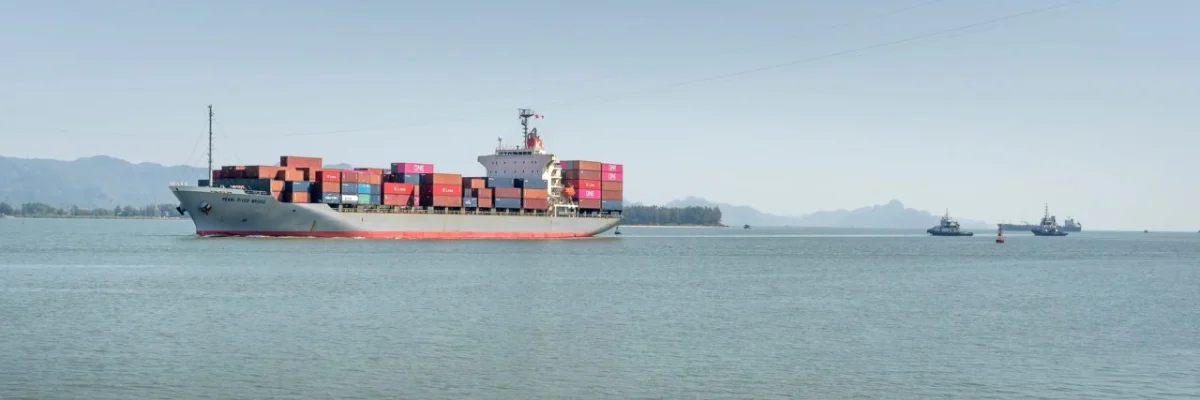
The freight forwarding industry is evolving at an unprecedented pace, demanding higher levels of precision and speed from every logistics professional. As global supply chains face increasing complexity, forwarders must leverage modern technology to maintain their competitive edge and ensure seamless operations for their global clients. This transition requires not only the adoption of cloud-based software but also a fundamental shift in how teams manage data, documentation, and communication across borders. By refining core workflows and embracing digital transformation, forwarders can minimize human error, reduce overhead costs, and provide the superior transparency that modern shippers expect in today's fast-paced international market.
Streamlining Documentation Workflows
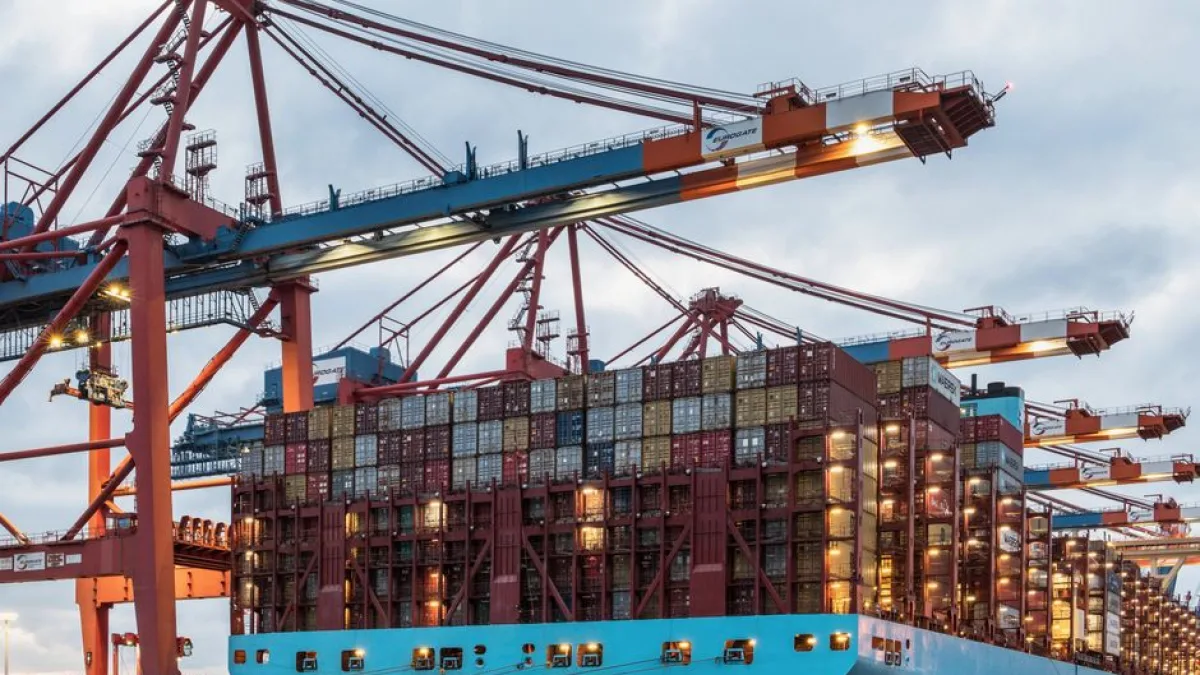
Digital documentation management is the foundation of modern logistics efficiency, allowing teams to move away from paper based processes. By centralizing files, professionals save valuable time and reduce the risks associated with manual entry errors or misplaced critical shipping documents.
- Automate data entry: Utilize intelligent software tools to capture information directly from documents, which minimizes typing mistakes and accelerates the processing of bills of lading or customs forms significantly.
- Centralized document repository: Establish a single cloud platform where team members can access up to date files instantly, fostering better internal collaboration and reducing the time spent searching.
- Standardized naming conventions: Implement strict file naming rules across your organization to ensure that every team member can identify and retrieve necessary logistics paperwork without unnecessary delays.
- Version control protocols: Maintain strict history logs for all documents to ensure that stakeholders always view the latest revisions, preventing confusion during complex international transit processes.
Adopting these structured workflows transforms how your office handles daily tasks. When your team spends less time hunting for files and correcting manual errors, they gain more capacity to focus on client relationships and high value operations. This shift toward digital mastery not only boosts overall output but also provides a more consistent service level that clients will rely upon for their future logistics needs.
Enhancing Real Time Visibility
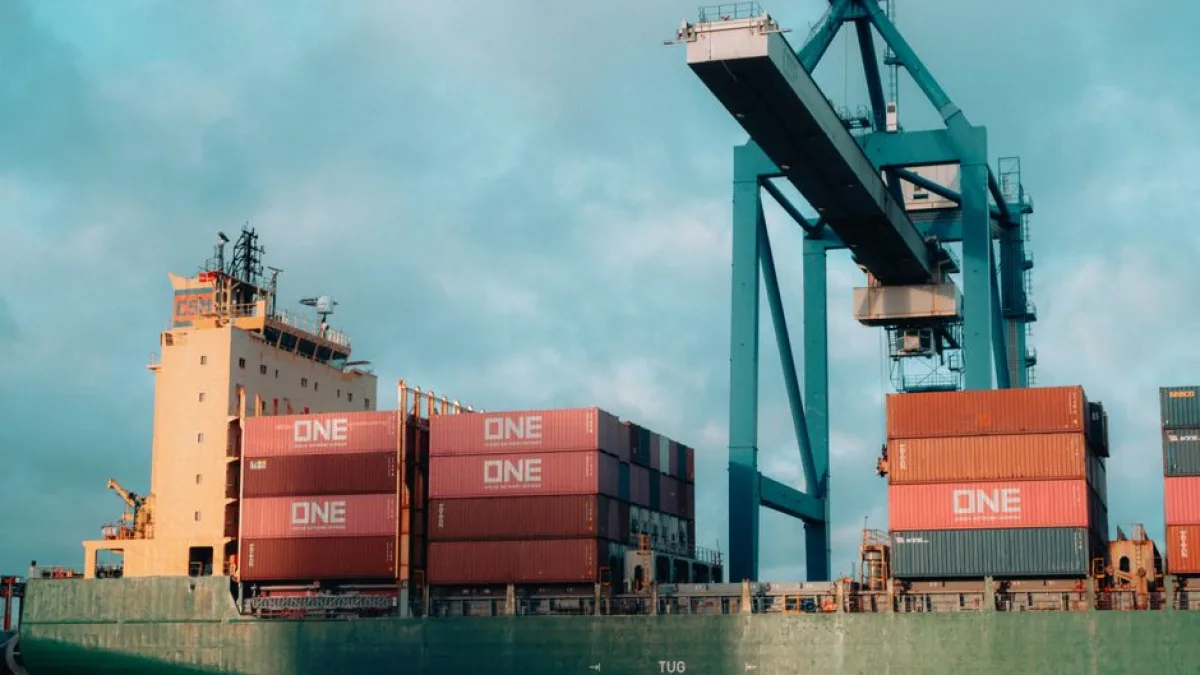
Modern shippers demand constant updates on their shipments, making real time visibility a non negotiable asset for any forwarder. Providing accurate tracking data strengthens trust and allows stakeholders to proactively manage exceptions before they escalate into major supply chain disruptions.
- Integrate tracking APIs: Connect your software directly with carrier systems to receive automatic status updates, ensuring your clients always have the most current information regarding their cargo.
- Proactive status alerts: Configure automated email or portal notifications that inform clients immediately about milestone completions, which reduces the need for manual status update requests daily.
- Visual tracking dashboards: Use interactive maps and intuitive dashboards to give clients a clear view of their shipments, enhancing the user experience through modern digital interfaces.
- Exception management tools: Implement systems that flag delayed shipments automatically, allowing your team to resolve issues rapidly and maintain positive relationships with all your active global clients.
Investing in visibility tools directly improves client retention rates. When you provide transparent updates without requiring manual intervention, your clients feel more secure in their logistics partnerships. This approach reduces the burden on your support staff while simultaneously increasing the value you deliver. By positioning yourself as a tech forward partner, you ensure long term loyalty and steady growth in a crowded market.
Optimizing Carrier Communication

Effective communication with carriers and vendors is essential for maintaining smooth operations throughout the shipping cycle. By standardizing your outreach methods and utilizing digital messaging platforms, you can eliminate bottlenecks that often arise from disjointed email threads and fragmented communications.
- Unified messaging platforms: Shift internal and external communication into a central system to keep all critical conversations linked to specific shipment files, ensuring total accountability throughout.
- Standardized response templates: Use pre approved messaging templates to handle routine carrier inquiries, which ensures brand consistency while significantly speeding up your daily email response cycle times.
- Direct vendor portals: Encourage your carriers to use dedicated web portals for submitting quotes and invoices, simplifying the data flow and reducing the risk of lost emails.
- Automated scheduling reminders: Set up triggers that remind carriers of upcoming booking cutoffs, ensuring that all parties remain aligned and preventing costly missed loading windows daily.
Refining how you talk to carriers leads to fewer misunderstandings and faster project completion. When communication is structured and traceable, your team can resolve issues at the source rather than reacting to crises. This proactive stance on vendor management creates a more predictable shipping environment, which ultimately translates into lower costs and better results for the shippers who rely on your expertise.
Leveraging Advanced Data Analytics
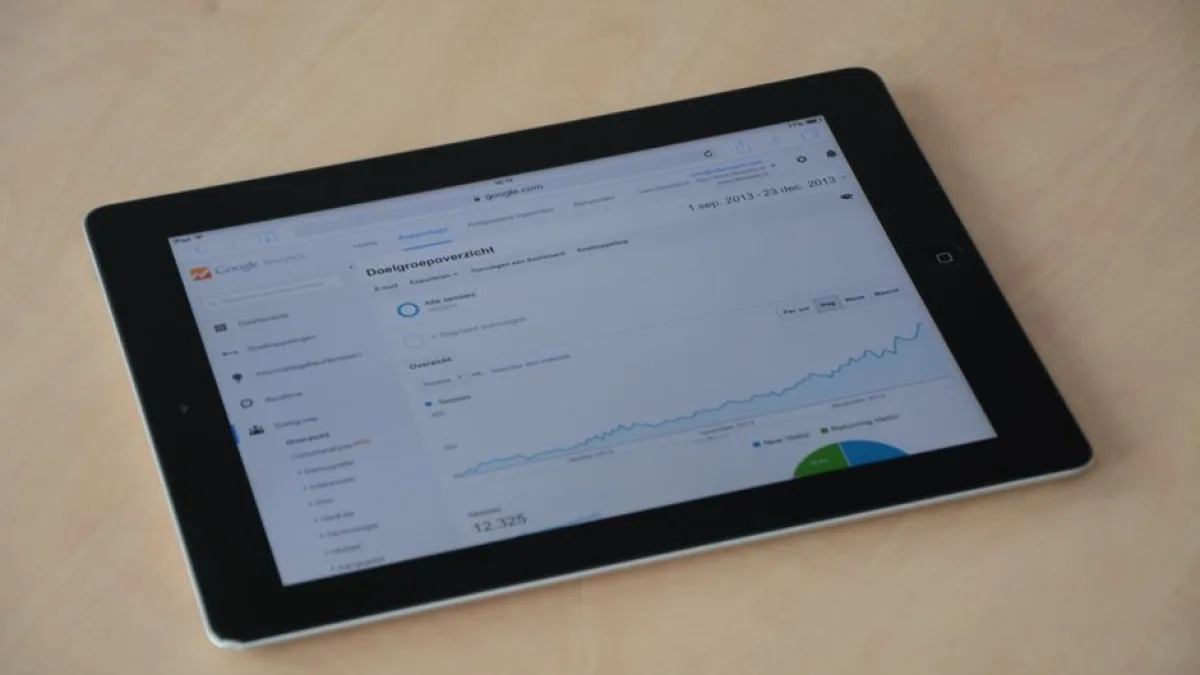
Data is the most valuable asset in the modern freight industry, offering insights that drive smarter business decisions and long term strategy. Analyzing historical shipment trends allows forwarders to identify inefficiencies and capitalize on new opportunities to improve profitability and service quality for everyone.
- Track lane performance: Monitor the costs and transit times of your primary lanes to identify which routes offer the best margins and reliability for your specific business.
- Identify cost leakages: Analyze invoice data regularly to find hidden fees or recurring overcharges, helping you optimize spend and protect your bottom line from unexpected expenses.
- Predictive volume modeling: Use historical data to anticipate seasonal surges in shipping demand, enabling you to secure capacity early and maintain service levels during peak periods.
- Client profitability reports: Generate detailed analytics on individual client accounts to determine which partnerships drive the most value and where adjustments might be needed for improvement.
Harnessing the power of analytics turns raw information into a clear roadmap for success. When you base your decisions on accurate reports rather than intuition, you eliminate guesswork and focus on high impact activities. This data driven culture encourages continuous improvement across every department, ensuring that your freight forwarding business remains agile, profitable, and ready to meet the challenges of the future market.
Conclusion

Achieving excellence in freight forwarding requires a commitment to continuous improvement and the strategic use of modern digital tools. By optimizing documentation, enhancing visibility, refining communication, and leveraging data analytics, your business can overcome common operational hurdles effectively. Start integrating these best practices into your daily routine today to drive efficiency, improve client satisfaction, and secure a competitive advantage in the global logistics landscape.