Optimizing Freight Forwarding Efficiency with Digital Automation
Monday, October 19 2026

Freight forwarding is undergoing a rapid digital transformation as global supply chains demand higher levels of transparency and speed. Professionals must shift from manual, document-heavy workflows toward automated systems to remain competitive in a saturated market. By integrating cloud-based platforms, forwarders can synchronize logistics data, reduce costly human errors, and provide superior service to their clients. This evolution is not just about keeping pace with technological trends but about building a resilient operational foundation that thrives under pressure. Embracing these advanced digital tools empowers your team to focus on strategic growth while leaving repetitive, time-consuming administrative tasks to intelligent software solutions.
Streamlining Documentation Workflows

Efficient document management serves as the heartbeat of modern logistics operations. By transitioning from physical paperwork to digital storage, forwarders drastically minimize the time spent searching for files while ensuring that critical trade compliance data remains accessible and secure at all times.
- Automated Data Entry: Implement smart software that automatically extracts information from bills of lading or commercial invoices to eliminate manual typing errors and speed up your entire documentation process.
- Centralized Document Storage: Maintain a secure cloud repository where every stakeholder can access essential trade documents instantly, reducing the back and forth communication that slows down complex export operations.
- Digital Signature Integration: Utilize electronic signature platforms to expedite the approval of contracts and shipping instructions, removing the physical bottleneck of printing, signing, and scanning paper-based forms entirely.
- Compliance Tracking Tools: Employ automated validation systems that check incoming documentation against international customs regulations to prevent costly delays or legal penalties at the various border control checkpoints.
Optimizing your documentation workflow creates a seamless bridge between you and your logistics partners. By reducing reliance on paper, you effectively cut down on processing delays and foster a more professional image. Clients appreciate the speed and accuracy that digital documentation brings to their supply chain, which ultimately leads to stronger long-term business relationships and higher retention rates for your freight forwarding company.
Enhancing Real-Time Shipment Visibility
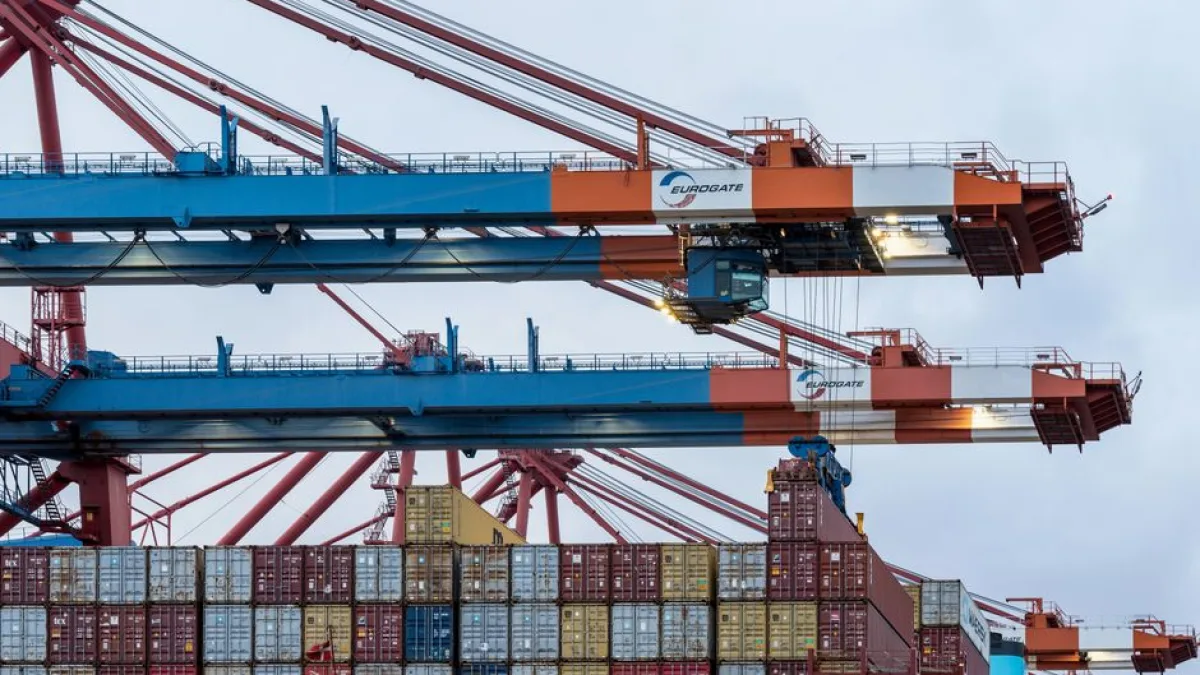
Real-time visibility acts as the differentiator between average and elite freight forwarders. Modern clients expect instantaneous status updates, meaning you must leverage tracking technology to provide transparent insights into cargo location and estimated arrival times throughout the entire transit process.
- Automated Tracking Notifications: Configure your freight system to send proactive status alerts to customers whenever cargo reaches a major milestone, keeping them informed without them needing to request updates.
- GPS Data Integration: Connect your platform with carrier APIs to ingest live GPS data, providing a precise visual map of shipments currently in motion across ocean or land routes.
- Exception Management Alerts: Set up smart triggers that notify your operations team immediately if a shipment faces an unexpected delay or a change in port status for quick resolution.
- Client-Facing Portals: Offer a customized dashboard where shippers can log in at any time to check their current inventory status, reducing the need for constant phone inquiries.
Transparency is a highly valued commodity in the logistics industry today. By providing your clients with a clear and accurate view of their shipments, you build trust and significantly reduce the administrative burden on your support staff. When customers are empowered to check their own shipment status through an intuitive portal, your team gains the freedom to focus on more complex logistics problem solving.
Automating Financial and Billing Processes

Invoicing and billing accuracy directly impact your bottom line and overall operational cash flow. Automating these financial processes ensures that your billing cycles are consistent, transparent, and error-free, which keeps both your vendors and your clients happy throughout the fiscal year.
- Automated Invoice Creation: Generate accurate freight invoices instantly upon shipment completion by pulling data directly from your booking system, preventing revenue leakage and manual billing mistakes common in spreadsheets.
- Seamless Accounting Sync: Connect your freight forwarding software directly to your accounting platform to ensure that every transaction is recorded correctly without the need for double data entry.
- Vendor Reconciliation Tools: Streamline the process of verifying carrier invoices against initial quotes, allowing your finance team to identify discrepancies and manage costs with much higher precision.
- Payment Gateway Integration: Provide customers with secure online payment portals to facilitate faster settlements, effectively reducing the time spent waiting for check processing or complex bank wire transfers.
Strong financial management is the backbone of any successful freight forwarding business. Automating your billing ensures that your cash flow remains positive while significantly reducing the time spent on manual accounting tasks. By minimizing human error in financial records, you foster trust with your clients and vendors alike, creating a stable environment where your business can focus on expanding into new trade markets.
Leveraging Advanced Operational Analytics

Data analytics provide the strategic insights needed to refine your logistics services and identify new opportunities. By analyzing historical performance metrics, freight forwarders can optimize their carrier partnerships, reduce operational costs, and make informed decisions that align with long-term profitability and growth goals.
- Performance KPI Dashboards: Visualize critical metrics such as on-time delivery rates and carrier reliability to identify which partners consistently offer the best value for your specific shipping routes.
- Cost Analysis Reports: Review consolidated spend data to uncover hidden expenses in your supply chain, allowing you to negotiate better rates with carriers and increase your profit margins.
- Volume Forecasting Tools: Predict future shipment patterns based on historical seasonality and client data, helping you plan capacity and resources more effectively during peak demand shipping seasons.
- Trend Identification Modules: Utilize software-driven insights to monitor changing trade patterns, enabling your company to pivot services and adapt quickly to shifting global market demands or conditions.
Transforming raw logistics data into actionable strategy is what separates industry leaders from the rest. When you consistently review your performance through detailed analytics, you gain the clarity required to make bold, growth-oriented decisions. This data-driven approach not only improves your current service offerings but also positions your company to navigate future industry disruptions with greater confidence, agility, and a clear competitive advantage.
Conclusion

Adopting digital solutions is no longer optional for freight forwarders aiming for longevity in a dynamic global market. By automating documentation, enhancing visibility, refining billing, and using data for strategy, you set a new standard for operational excellence. Start your digital transformation journey today to ensure your team remains efficient, competitive, and ready to meet the evolving needs of your global shipping clients.