Optimizing Freight Forwarding Efficiency in 2024
Tuesday, October 20 2026
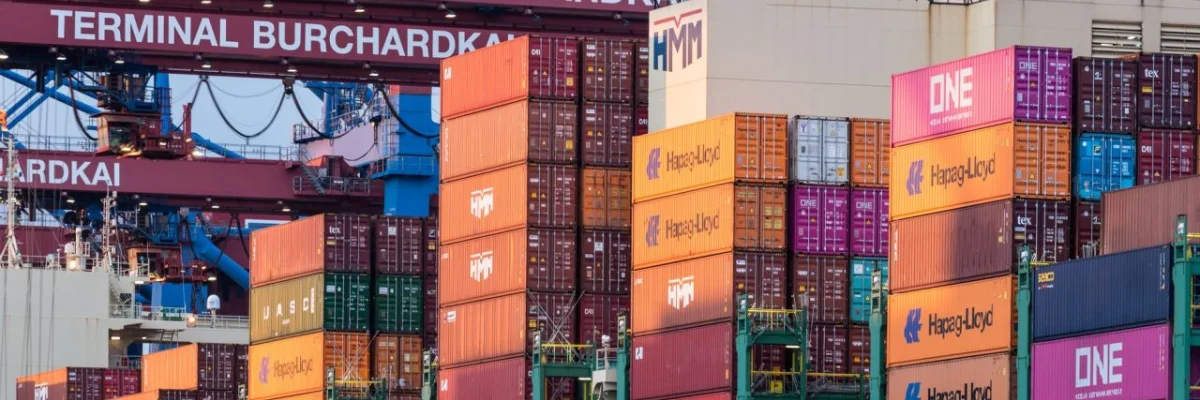
Freight forwarding is an increasingly complex industry where speed and accuracy define success. Managing global supply chains requires more than just manual effort; it demands a blend of strategic planning and modern technology. As businesses deal with volatile market conditions, the ability to streamline operations becomes a key differentiator for top-tier logistics providers. Professionals who master digital tools and refine their internal processes gain a distinct competitive advantage over those relying on outdated methods. This guide outlines actionable strategies to help your team improve service delivery and drive operational excellence while ensuring that your cargo moves reliably across every global trade route.
Prioritizing Digital Transformation

Modern logistics platforms provide the visibility needed to manage complex shipments in real time. By digitizing workflows, teams reduce manual errors and gain deep insights into their daily performance metrics, which ultimately leads to better customer satisfaction and higher revenue growth.
- Automated Data Entry: Implement automated document processing to eliminate repetitive typing tasks, which significantly reduces human error and allows your staff to focus on higher value strategic logistics client management.
- Cloud Based Visibility: Utilize cloud platforms to provide clients with instant shipment tracking updates, fostering transparency and trust through accessible real time data from any internet connected device.
- Software Integration Tools: Connect your existing accounting and CRM software with your freight platform to ensure seamless data flow across departments, which prevents costly information silos within your organization.
- Electronic Documentation Flow: Replace physical paperwork with digital document management systems to speed up customs clearance processes and ensure that all compliance documents are organized and easily searchable for auditors.
Adopting technology is no longer a luxury for forwarders but a fundamental necessity for survival. When your digital infrastructure is solid, you can handle fluctuations in shipping volumes without sacrificing quality. Invest time in training your employees to use these tools effectively. Once the team embraces a digital first mindset, the operational gains will be reflected in your overall bottom line and reputation.
Optimizing Carrier Relationships

Strong partnerships with carriers ensure better rates and reliable space during peak seasons. Building these connections is a proactive process that requires consistent communication and mutual respect, which often results in priority handling when global capacity becomes extremely tight.
- Regular Performance Reviews: Schedule quarterly business reviews with your primary carriers to discuss service levels, address recurring issues, and refine your shipping strategies for the upcoming operational cycle ahead.
- Volume Commitment Planning: Negotiate volume agreements to secure competitive pricing while providing carriers with predictable cargo flow, which stabilizes your shipping costs throughout the year for your clients.
- Collaborative Issue Resolution: Approach disagreements with a collaborative mindset, focusing on solutions rather than blame, which fosters long term loyalty and ensures that carriers treat your cargo with care.
- Unified Communication Channels: Streamline interactions by using dedicated support portals or specific account managers to ensure that your inquiries receive prompt attention and avoid generic support queues completely.
Developing deep relationships with your carriers creates a reliable safety net during times of uncertainty. When you treat partners as allies, they are more likely to support your needs during capacity shortages or unexpected disruptions. Consistency in your communication is the hallmark of a professional firm. Focus on transparency to build trust and ensure that both parties thrive in the marketplace.
Enhancing Customer Communication

Clear and proactive communication distinguishes industry leaders from average service providers. Keeping clients informed before they even ask for updates builds immense confidence in your firm, while effective management of expectations prevents misunderstandings during difficult and unexpected shipment delays.
- Proactive Status Alerts: Send automated notifications to clients whenever a shipment reaches a major milestone or experiences an unexpected delay to keep them fully informed without manual outreach.
- Personalized Client Portals: Offer branded customer portals where clients can view their specific shipping history, download invoices, and track cargo statuses at their own convenience and speed.
- Transparent Exception Management: Communicate delays with honesty and provide a clear plan of action immediately, as clients value the truth and proactive solutions over silence during crises.
- Feedback Collection Cycles: Actively request client feedback after each project to identify service gaps and demonstrate your commitment to continuous improvement and high quality customer care standards.
Communication is the bridge between your operations and the client experience. By anticipating the needs of your customers, you position yourself as a strategic partner rather than just a service provider. Use the right mix of digital tools and human interaction to keep stakeholders engaged. Consistent and professional updates are the foundation for long term retention and will build your business reputation.
Implementing Robust Compliance

Compliance is the backbone of international shipping and requires rigorous attention to detail. Ignoring regulations can lead to severe penalties, shipment seizures, and long term damage to your business reputation within the global trade community and legal landscape.
- Automated Regulatory Updates: Use software that tracks changing international trade laws to ensure your compliance documentation always meets the latest regional requirements for every single destination you serve.
- Standardized Training Programs: Provide consistent training for all staff members regarding export controls and safety protocols to ensure that your firm remains aligned with legal industry standards.
- Internal Audit Trails: Maintain comprehensive digital logs of every shipment and compliance check, which provides a solid defense during official inspections or client inquiries about procedural safety.
- Validation Before Shipping: Implement mandatory document reviews by senior team members before final submission to customs, catching errors early and avoiding costly logistical hold ups at borders.
A rigorous approach to compliance protects your firm from unnecessary legal risks. Make sure that your team understands the gravity of regulatory requirements and treats documentation with precision. When you prioritize compliance, you create a safer environment for your shipments and gain credibility in the eyes of customs authorities. This attention to detail will define your firm as a reliable and professional actor.
Conclusion

Building a successful freight forwarding firm requires a strategic balance of technology and human expertise. By optimizing your digital workflows, strengthening carrier bonds, improving client communication, and maintaining strict compliance, you create a scalable business model. Start implementing these best practices today to streamline your operations and deliver exceptional value. Elevate your logistics performance and achieve long term growth in the global freight market.