Optimizing Freight Forwarding Efficiency for Modern Logistics
Wednesday, October 28 2026

Modern logistics environments demand unprecedented levels of speed and accuracy to maintain a competitive edge. Freight forwarders often struggle with fragmented communication and manual data entry tasks that stifle overall productivity. By integrating cloud-based software solutions, companies can centralize operations and gain real-time visibility into complex global supply chains. Achieving operational excellence requires a strategic shift toward automation, digitized documentation, and proactive client management. This article explores how industry leaders leverage smart technology to streamline their workflows, reduce costly administrative errors, and ultimately deliver superior value to shippers while navigating the intricacies of international shipping requirements and evolving market conditions.
Streamlining Documentation Workflows

Digitizing your paperwork is the foundational step toward removing bottlenecks that slow down your team. By moving away from physical filing systems, you ensure that vital shipping documents are stored securely and remain accessible to authorized stakeholders across the globe instantly.
- Centralized document storage: Cloud systems provide a single source of truth where teams can access customs forms, bills of lading, and commercial invoices without searching through disorganized physical cabinets.
- Automated data extraction: Intelligent software tools automatically pull relevant information from invoices and shipping labels to reduce manual entry errors and speed up processing times for shipments.
- Digital signature integration: Implementing electronic signature capabilities allows forwarders to finalize contracts and authorization forms remotely, which eliminates the delays associated with printing, signing, and scanning paper documents.
- Version control systems: Automated tracking of document revisions ensures that all parties work from the latest version of a file, preventing costly mistakes caused by outdated or inaccurate shipping information.
Efficient documentation management transforms how your office functions by reducing time spent on administrative tasks. When your team can retrieve files in seconds rather than minutes, they focus more on high-value activities like relationship management and route optimization. Adopting these digital workflows is not just about moving paper to the cloud but about creating a faster, more reliable experience for every client you serve.
Enhancing Real-Time Shipment Visibility
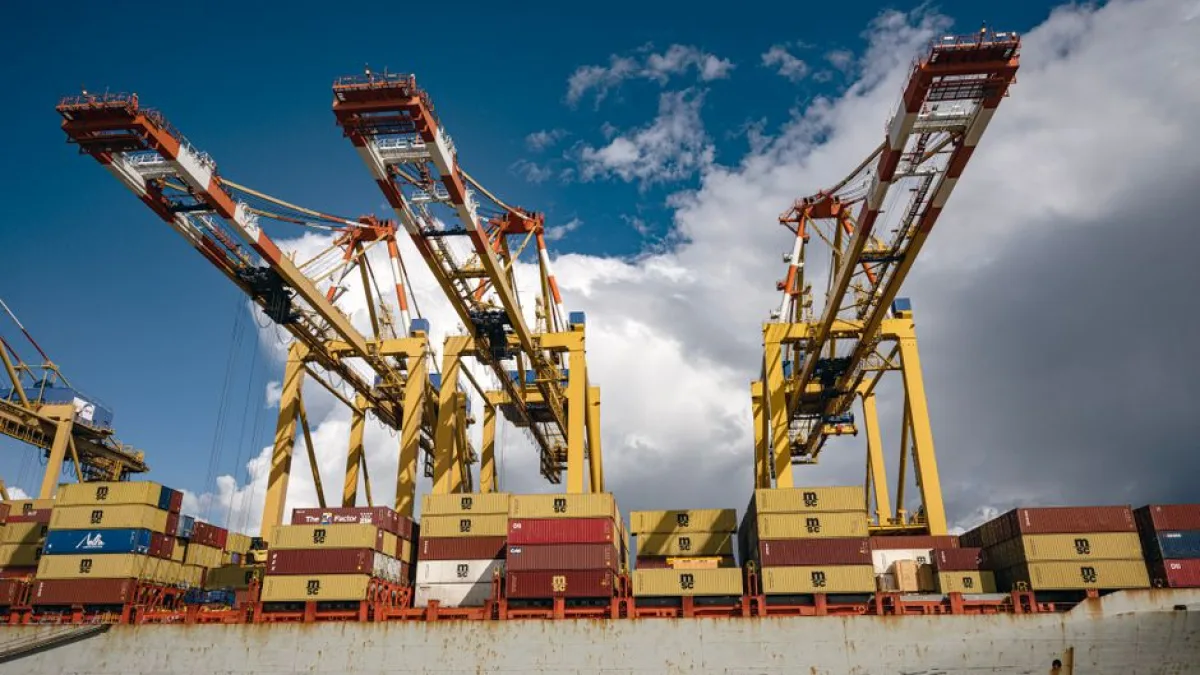
Visibility serves as the backbone of modern freight forwarding because shippers demand constant updates regarding their cargo. Providing accurate and live tracking data builds deep trust and differentiates your logistics services from competitors who still rely on legacy communication methods.
- Live tracking portals: Offer your clients a dedicated portal where they can monitor the status of their cargo 24/7 without needing to contact your staff for updates.
- Automated status notifications: Program your software to send instant email or text alerts to clients whenever their shipments reach key milestones during the transit and clearance processes.
- Map based tracking views: Integrating satellite visual data allows shippers to see the exact location of their containers, providing transparency that enhances the overall customer satisfaction experience.
- Exception management alerts: Proactive monitoring tools detect potential delays at ports or transit hubs, giving your team time to resolve issues before they negatively impact your customer.
Providing exceptional visibility does more than keep clients happy, it drastically reduces your customer support burden. Instead of answering phone calls about shipment status, your team can concentrate on solving logistical hurdles that require human intervention. When customers see exactly where their freight is, they remain confident in your capabilities, which fosters long-term loyalty and leads to repeat business opportunities.
Leveraging Advanced Data Analytics

Data driven decision-making is no longer a luxury for large corporations but a requirement for every freight forwarder. By analyzing performance metrics, you uncover hidden inefficiencies, identify profitable trade lanes, and negotiate better rates with carriers based on your actual shipping volumes.
- Performance KPI tracking: Monitor key indicators such as transit times, document processing speed, and error rates to identify specific areas where your internal operations need urgent improvement.
- Carrier cost analysis: Evaluate the historical pricing trends of different carriers to determine which partners offer the best combination of reliability and competitive market rates.
- Custom reporting tools: Generate comprehensive reports for clients that demonstrate the value you provide, showcasing savings and efficiency gains achieved throughout their entire supply chain cycle.
- Trend forecasting models: Use historical data to anticipate seasonal demand spikes, allowing you to prepare capacity in advance and avoid the volatility of spot market pricing.
Mastering your data transforms your approach from reactive to strategic planning. When you understand your operational costs and service strengths, you can price your services more accurately and win more tenders. Consistently evaluating these metrics keeps your firm agile in a changing market. Investing time in analytics today pays dividends by securing your position as a data savvy leader in logistics.
Optimizing Internal Team Collaboration

Internal communication is the glue that holds complex shipping operations together during high pressure periods. Effective software platforms create unified workspaces where operations, sales, and accounting departments share information, ensuring that every shipment proceeds smoothly without miscommunication between internal staff members or external partners.
- Shared communication logs: Maintain an audit trail of every conversation related to a shipment within the platform, ensuring everyone has context when questions arise about specific orders.
- Task assignment features: Delegate specific responsibilities to team members directly through the software to ensure that no critical steps like customs filing are ever accidentally overlooked.
- Collaborative workspace tools: Enable real-time chat and document sharing within individual shipment folders, which prevents vital details from being buried in endless email threads or text messages.
- Departmental integration flows: Link your accounting and operations modules so that shipment data automatically triggers invoicing, preventing delays in getting paid for completed logistics services.
When your team collaborates effectively, the quality of service you deliver rises significantly. Breaking down internal silos is essential for scaling your freight forwarding business efficiently. By utilizing tools that foster transparency and accountability, you create an environment where staff members feel supported and productive. Ultimately, seamless teamwork results in fewer operational errors and a more polished brand image for your logistics firm.
Conclusion

Transforming your freight forwarding business starts with embracing digital tools that prioritize efficiency, transparency, and collaboration. By streamlining your documentation, providing live visibility, leveraging analytics, and fostering teamwork, you position your firm for sustainable growth in a competitive global market. Start your digital transformation journey today by evaluating your current software capabilities and identifying the core areas where MakeCargo can help you excel.