Optimizing Freight Forwarding Efficiency for Modern Logistics
Thursday, October 29 2026

Modern freight forwarding requires a delicate balance of precision and speed to remain competitive in an increasingly globalized market. As supply chain complexities grow, professionals must move beyond traditional spreadsheet management to adopt integrated digital solutions. By leveraging cloud-based platforms, forwarders can automate repetitive tasks, reduce human error, and provide real-time visibility to their clients. This shift not only improves operational efficiency but also builds long-term trust with shippers who demand transparency and reliability. Embracing technology today is no longer optional for growth; it is the essential backbone for scaling operations and maintaining profitability in the high-stakes logistics industry.
Mastering Digital Documentation

Transitioning from paper trails to digital document management represents a pivotal step in modernizing your workflow. Digital systems ensure that critical paperwork remains accessible, secure, and searchable, allowing your team to respond to client inquiries or customs audits with immediate accuracy and professionalism.
- Automated Data Entry: Implement smart scanning tools to extract information from bills of lading and commercial invoices directly into your system, effectively removing the risks associated with manual typing errors.
- Centralized Cloud Storage: Maintain a single source of truth for all shipping documents, ensuring that every team member accesses the most current files regardless of their physical work location.
- Standardized Filing Systems: Establish clear naming conventions and folder structures to help your staff locate specific shipments in seconds rather than minutes, significantly reducing time spent on administrative tasks.
- Encrypted Digital Sharing: Utilize secure portals to share sensitive shipment details with partners and clients, protecting proprietary data while maintaining full compliance with international data privacy and security regulations.
- Version Control Protocols: Enable automatic version tracking on all active documents so that teams never accidentally work from outdated versions of shipping instructions or critical compliance forms again.
By digitizing your documentation, you eliminate the physical clutter that often slows down back office operations. This creates a streamlined environment where information flows freely between departments and external stakeholders. When your data is clean and organized, your team can focus on solving complex logistical problems rather than hunting for misplaced files, leading to a noticeable improvement in overall job satisfaction and daily productivity.
Optimizing Vendor Communication

Clear communication between freight forwarders, carriers, and trucking partners is vital for maintaining steady supply chains. Effective coordination prevents bottlenecks at ports and warehouses, ensuring that your clients receive timely updates on their cargo status without constant back and forth email threads.
- Real Time Messaging: Use integrated communication tools to send instant updates to trucking partners, reducing delays caused by missed emails or miscommunications regarding pickup and delivery windows.
- Automated Status Alerts: Configure your software to send proactive notifications to vendors, keeping all parties informed about milestones without needing human intervention at every single stage.
- Centralized Partner Portals: Create dedicated access points for your vendors to submit quotes or confirm availability, which consolidates interactions into a single interface for better workflow oversight.
- Standardized Communication Templates: Develop reusable templates for common logistics scenarios to ensure that all messages contain consistent information, reducing the time spent drafting repetitive status update emails.
- Proactive Conflict Resolution: Use logged history of all vendor interactions to resolve disputes quickly, maintaining strong relationships and ensuring that your shipping partners remain reliable during peak seasons.
Enhancing how you connect with vendors transforms your logistics network into a cohesive unit. When everyone operates from the same information, delays become less frequent and coordination becomes instinctive. Investing time into structured communication practices pays off by minimizing errors and creating a reputation for reliability. Your partners will appreciate the clarity, and your clients will benefit from the resulting operational consistency.
Automating Shipment Tracking
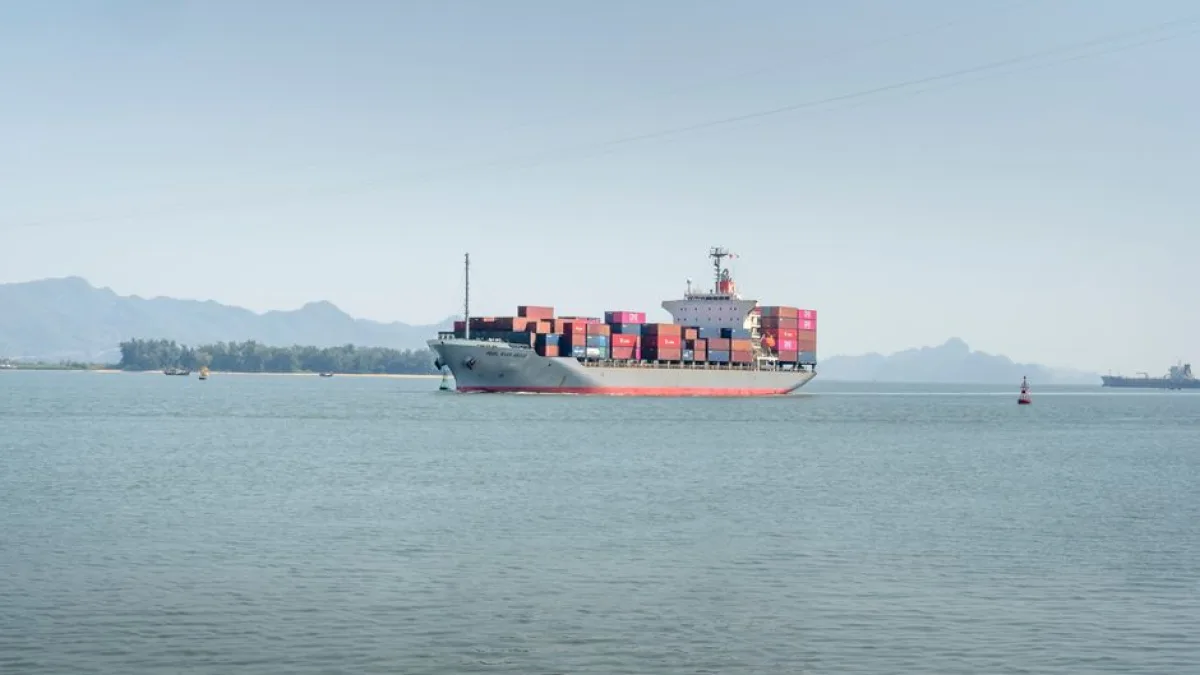
Proactive shipment tracking is the cornerstone of modern customer service in the logistics sector. Clients now expect instant updates on the location of their goods throughout the entire journey, making automated tracking features a mandatory requirement for forwarders aiming to satisfy today's demanding market requirements.
- Carrier API Integration: Sync your software with major shipping lines to pull live tracking data directly into your dashboard, eliminating the need to visit multiple carrier websites.
- Exception Management Alerts: Set up automatic triggers that notify your team the moment a shipment deviates from its planned schedule, allowing for rapid intervention before problems escalate.
- Client Facing Dashboards: Provide your customers with private access to a tracking portal, which reduces the volume of manual status update requests sent to your logistics coordinators.
- Geofence Tracking Notifications: Monitor high value cargo movements using location triggers that alert staff when shipments arrive at specific hubs, ports, or destination facilities during transit.
- Historical Performance Reports: Analyze your tracking data over time to identify which carriers offer the most consistent transit times, helping you make informed booking decisions for future.
Automating your tracking process shifts the focus from reactive firefighting to proactive management. Instead of spending hours gathering status updates for concerned clients, your team can utilize that time to optimize routing and improve service levels. This high level of transparency fosters long term loyalty, as customers feel secure knowing that your team is watching over their cargo at every turn.
Streamlining Financial Workflows

Financial health is inextricably linked to the efficiency of your freight forwarding operations. Late invoicing or errors in freight costing can cripple cash flow, making it essential to connect your operational data directly with your accounting functions for a faster and more accurate billing cycle.
- Automated Freight Invoicing: Generate invoices automatically as soon as shipment milestones are met, ensuring that you get paid faster and maintain healthy cash flow for your business.
- Cost Reconciliation Tools: Match carrier invoices against your initial quotes to catch discrepancies early, preventing overpayments and ensuring your profit margins remain protected on every single shipment.
- Currency Conversion Automation: Manage complex international multi currency transactions within your software to prevent losses caused by manual calculation errors or outdated exchange rate data used in billing.
- Audit Ready Records: Maintain detailed financial trails for every invoice and payment, simplifying your tax reporting processes and ensuring compliance with financial regulations in every territory.
- Automated Payment Reminders: Set up system driven notifications for overdue accounts to minimize administrative follow up tasks, keeping your accounts receivable process efficient and your revenue steady.
Integrating your financial processes into your logistics software removes the friction between operational work and revenue collection. By ensuring that every cost is captured and every invoice is accurate, you create a sustainable financial model that supports growth. A well managed financial workflow provides the visibility needed to make strategic decisions, giving you the confidence to scale your operations without facing liquidity issues.
Conclusion
Transforming your freight forwarding practice requires a commitment to process improvement and the right technological tools. By mastering documentation, vendor communication, tracking, and finance, you position your firm as a leader in the modern logistics landscape. Start small by auditing your current workflows today to identify the most significant bottlenecks, then implement these best practices to drive sustainable efficiency and greater customer satisfaction.