Optimizing Freight Forwarding Efficiency with Modern Digital Strategies
Thursday, October 29 2026

The global logistics landscape is evolving at a rapid pace, demanding that freight forwarders shed outdated manual processes in favor of agile digital solutions. As supply chain complexities grow, professionals must leverage centralized platforms to maintain visibility, ensure regulatory compliance, and deliver superior customer service. By integrating cloud-based software into daily workflows, businesses can automate routine tasks and focus on strategic growth initiatives. This shift not only reduces operational overhead but also builds resilience against market volatility. Adopting these best practices will empower your team to navigate the modern freight environment with precision, confidence, and a clear competitive advantage.
Mastering Digital Data Integration

Seamless data flow is the backbone of any successful freight operation. By centralizing information within a unified cloud environment, teams can eliminate silos, reduce redundant manual data entry, and minimize costly human errors that frequently derail international shipments and delay cargo transit times.
- Unified Centralized Database: Consolidate all customer and shipment data into one accessible cloud platform to ensure every team member works from the same source of accurate, real-time information.
- Automated Data Capture: Utilize smart document recognition tools to extract shipment details from incoming paperwork, which significantly reduces the need for slow, manual typing by staff.
- API Connectivity Benefits: Integrate your software with carrier systems to receive instant updates, allowing for proactive adjustments before small issues transform into major logistical bottlenecks later.
- System Security Protocols: Implement robust encryption and permission controls to protect sensitive client data while ensuring that stakeholders maintain the appropriate level of platform access.
Establishing a robust data foundation is the essential first step toward full digital transformation. When your team trusts the data provided by your software, decision-making becomes faster and significantly more accurate. Investing in high-quality integration tools pays dividends by freeing up your human resources to handle high-value tasks rather than getting stuck in the weeds of administrative maintenance and manual data reconciliation.
Enhancing Real-Time Cargo Visibility
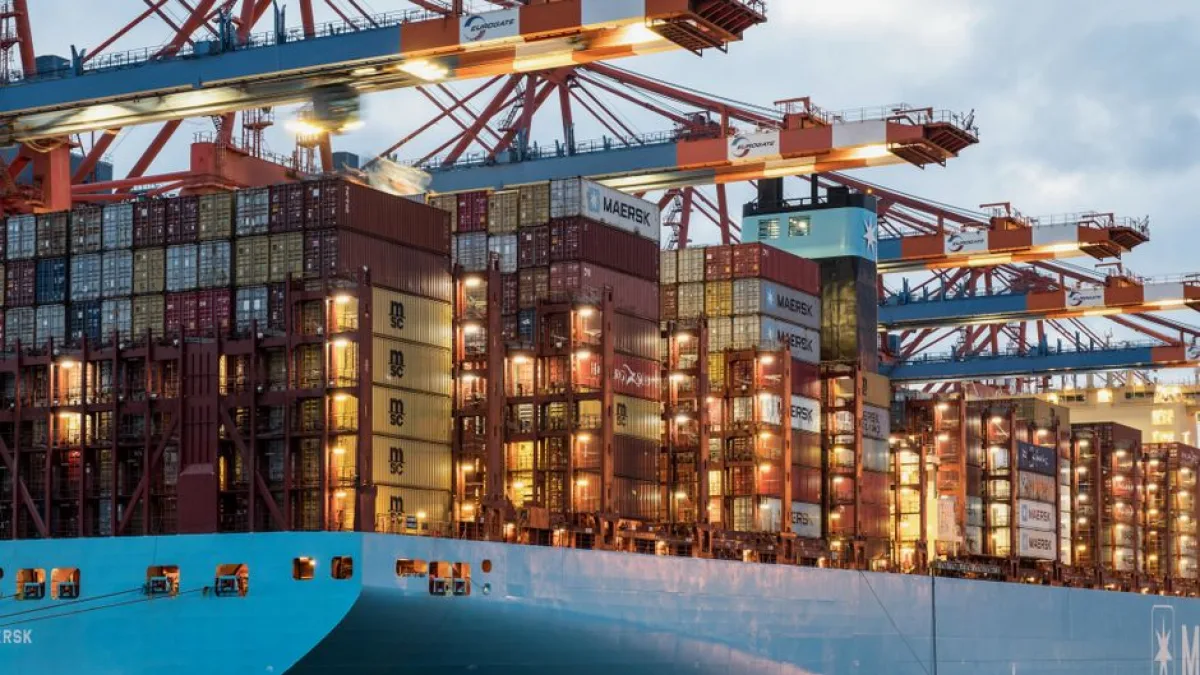
Providing clients with live tracking updates is no longer a luxury but a fundamental expectation in the current logistics market. Leveraging automated alerts keeps stakeholders informed throughout the entire shipment journey, fostering trust and drastically reducing the volume of status inquiries.
- Live Tracking Updates: Implement automated notifications that alert customers the moment a shipment reaches a milestone, which creates transparency and builds long-term professional client relationships.
- Predictive Risk Management: Utilize historical shipment data to anticipate potential transit delays, allowing your operations team to offer alternative routing options before problems actually occur.
- Client Portal Access: Grant your clients direct access to a secure online portal where they can view status updates and documents without needing direct contact.
- Mobile Accessibility Tools: Ensure your freight platform remains fully functional on mobile devices so your team can manage cargo movements from anywhere in the world.
Visibility serves as the ultimate differentiator for modern freight forwarders who want to stand out. When you offer clear, immediate insight into cargo status, you effectively reduce the anxiety of your clients while saving your team hours of phone time each week. Emphasizing transparency demonstrates professionalism and reinforces the reliability of your services in a highly competitive and often unpredictable global shipping industry.
Streamlining Document Compliance Processes

Managing complex international shipping documentation requires extreme attention to detail and adherence to strict regulatory standards. Digitizing these documents ensures that every file is indexed, searchable, and stored in a secure environment that simplifies the audit process during inspections.
- Digital Template Libraries: Create reusable templates for common customs forms and bills of lading to ensure consistency and speed during the heavy documentation preparation stage.
- Cloud Document Storage: Store all essential shipping records in a centralized cloud vault, making it easy for authorized personnel to retrieve vital files during audits.
- Automated Compliance Alerts: Configure your software to notify staff of expiring certifications or changing trade regulations, which helps avoid significant penalties or sudden cargo impoundment.
- Digital Signature Integration: Adopt e-signature technology to finalize contracts and authorization forms remotely, which eliminates the need for physical courier services or paper mailings.
Optimizing your documentation workflow is the best way to prevent administrative logjams that stall operations. By removing the reliance on physical paper, you create a cleaner and more efficient office environment that is inherently more organized. Consistent compliance reduces your risk profile and ensures that your business can scale operations quickly without needing to add proportional administrative headcount to the existing team.
Optimizing Financial Workflow Accuracy

Financial health depends on the speed and precision of your billing and invoicing cycles. Automating financial workflows within your logistics software ensures that costs are captured accurately and revenue is collected promptly, improving your overall cash flow and profitability.
- Automated Invoicing Systems: Generate detailed invoices directly from shipment records to ensure that all service fees are captured correctly, which reduces disputes with your valued customers.
- Carrier Cost Analysis: Track vendor expenses against projected budgets to identify cost saving opportunities or areas where your current carrier pricing may be significantly off.
- Integrated Payment Portals: Offer your clients convenient online payment options to speed up the collection process and improve the visibility of your incoming cash reserves.
- Real-time Profitability Reports: Monitor the profitability of individual shipments or client accounts using integrated dashboards that highlight your best performing segments for future business development.
Managing the financial side of freight requires vigilance and the right digital tools to maintain a healthy bottom line. When your billing processes are integrated with your operations platform, you eliminate the gap between delivering services and getting paid for them. This creates a more stable financial foundation that allows your company to invest in future technology and further expand market share.
Conclusion

Successfully navigating the future of logistics requires a commitment to digital excellence and the smart application of modern technology. By centralizing data, improving visibility, and automating complex financial and compliance workflows, forwarders can achieve unmatched operational efficiency. Start your digital transition today with MakeCargo to simplify your business processes, enhance client relationships, and drive consistent, long-term growth in a crowded global marketplace.