Optimizing Freight Forwarding Efficiency Through Digital Integration
Sunday, July 26 2026

The logistics industry is currently undergoing a massive digital transformation that forces traditional freight forwarders to reevaluate their daily operational workflows. Staying competitive in a global market requires more than just manual processing and endless email chains. By leveraging cloud-based platforms and robust software integrations, forwarders can gain real-time visibility and significantly reduce administrative burdens. This article explores how modern technology empowers logistics professionals to scale their operations while maintaining high service standards for their global clients. Embracing these advanced digital tools is no longer a luxury but a fundamental necessity for survival in the fast-paced modern freight forwarding ecosystem.
Automating Routine Documentation Tasks

Manual data entry often serves as the primary bottleneck within logistics companies today. By automating document processing through integrated platforms, forwarders eliminate human error, accelerate customs clearance, and allow their teams to focus on more complex decision-making tasks instead of paperwork.
- Automatic data extraction: Intelligent systems capture data from scanned invoices and packing lists instantly to populate your shipping software without requiring manual retyping by your hardworking office staff members.
- Seamless document sharing: Cloud integrations allow all global partners and clients to access critical shipping documents in real-time, removing the delay caused by traditional email attachment exchanges.
- Error reduction protocols: Automated validation checks identify inconsistencies or missing information in documentation before filing, preventing costly customs penalties and avoiding unnecessary delays at busy border crossings.
- Customs compliance updates: Software platforms automatically refresh regulatory requirements to ensure every shipment complies with the latest international trade laws, protecting your business from sudden legal complications.
Transitioning toward a paperless environment fundamentally changes how freight forwarders interact with clients and port authorities on a daily basis. The efficiency gains achieved through automation are immediate, resulting in faster processing cycles and higher client satisfaction rates. When your staff is liberated from repetitive clerical tasks, they can dedicate their energy toward building stronger relationships and optimizing logistics routes for your company.
Enhancing Real-Time Cargo Visibility
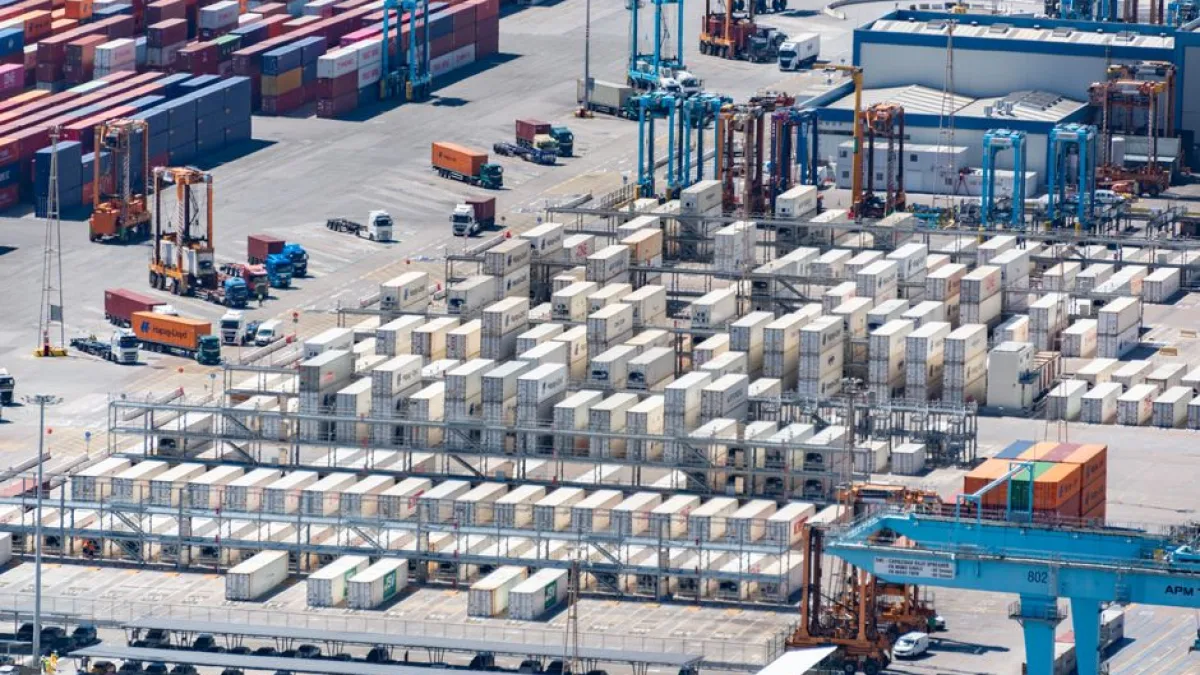
Customers today demand full transparency throughout the entire shipment journey. Integrating IoT devices and tracking software into your forwarding platform provides a clear view of where cargo resides, ensuring stakeholders remain informed about precise locations and anticipated arrival times.
- Live location tracking: Integrated GPS sensors provide accurate updates on vehicle or vessel movement, enabling your team to proactively communicate status changes to clients without manual inquiries.
- Milestone automated alerts: Customizable notifications trigger automatically as shipments hit specific waypoints, ensuring that internal stakeholders and external clients stay updated without requiring constant manual status checks.
- Exception management tools: Advanced analytics software identifies potential delays in the supply chain early, allowing forwarders to reroute cargo before issues escalate into major operational and budget problems.
- Carrier portal integration: Directly linking with carrier systems ensures that you receive real-time data feeds, providing a consolidated view of multi-modal transport legs inside your primary dashboard.
Superior visibility is the cornerstone of modern logistics excellence. When you provide precise tracking information, you build deep trust with your clients and reduce the volume of incoming status inquiries. This proactive approach to data management transforms your freight forwarding firm into a strategic partner that can handle complex logistics demands with total transparency, ultimately driving growth and repeat business opportunities.
Integrating Financial Management Systems

Connecting your logistics operations to accounting software creates a unified financial picture that reduces billing errors and accelerates cash flow. Financial integration ensures that every shipment cost and revenue item is captured accurately for better profitability analysis across your operations.
- Automated invoice generation: System integrations automatically convert shipping data into accurate invoices, reducing the time between job completion and payment collection while eliminating manual billing mistakes during the process.
- Expense tracking modules: Digital tools capture vendor costs directly as they occur, providing an accurate view of operational margins for every single client account or specific trade lane.
- Multi-currency support features: Integrated platforms handle varying currency conversions automatically based on daily market rates, ensuring that your financial reporting remains precise during complex international shipping projects today.
- Payment gateway connection: Allowing customers to settle invoices directly through a secure link within your software simplifies the collection process and significantly improves your overall business cash flow.
Managing the financial side of freight forwarding requires extreme precision and tight integration with operational data. By closing the gap between your shipping platform and your accounting suite, you create a seamless workflow that minimizes revenue leakage. This financial clarity allows management to identify which routes or services provide the best margins, enabling more informed strategic planning for the future.
Building Scalable Digital Ecosystems

Growth requires a software architecture that expands with your business volume. Choosing a modular platform allows you to add features as needed, ensuring your infrastructure supports your scaling efforts without requiring a complete and costly system overhaul later on.
- Modular software architecture: Implementing a system that allows for additional modules means you can expand service offerings like air, sea, or road transport whenever your company decides to grow.
- API-first development focus: Modern platforms built with APIs enable you to connect any new third party tools or custom client portals, ensuring that your digital ecosystem stays flexible and agile.
- Cloud based scalability: Storing your data in a secure cloud environment means that you can increase user seats or storage capacity instantly as your team and workload grow.
- Continuous feature updates: Partnering with cloud platform providers ensures your team always has access to the latest technological improvements and security patches without performing manual maintenance yourself.
A scalable digital foundation is essential for forwarders aiming to expand into new markets or handle larger volumes of cargo. By selecting an ecosystem that evolves alongside your requirements, you avoid the trap of technical debt and keep your operational efficiency high. Focusing on a flexible software strategy ensures your freight forwarding company stays competitive and ready for future industry changes.
Conclusion

Adopting digital integration is the most effective path toward operational excellence in the logistics industry. By automating documentation, enhancing visibility, syncing financial systems, and building a scalable technical foundation, forwarders can significantly increase their efficiency and client satisfaction. Start evaluating your current software stack today to identify areas where integration can drive value and position your business for success in the global market.